
Zelenskyy’s Paris Visit Masks Western Divisions While Russia’s Agenda Advances
As Zelenskyy meets Macron in Paris, cracks in the Western peace strategy expose concessions that threaten Ukraine’s sovereignty and America’s national security.
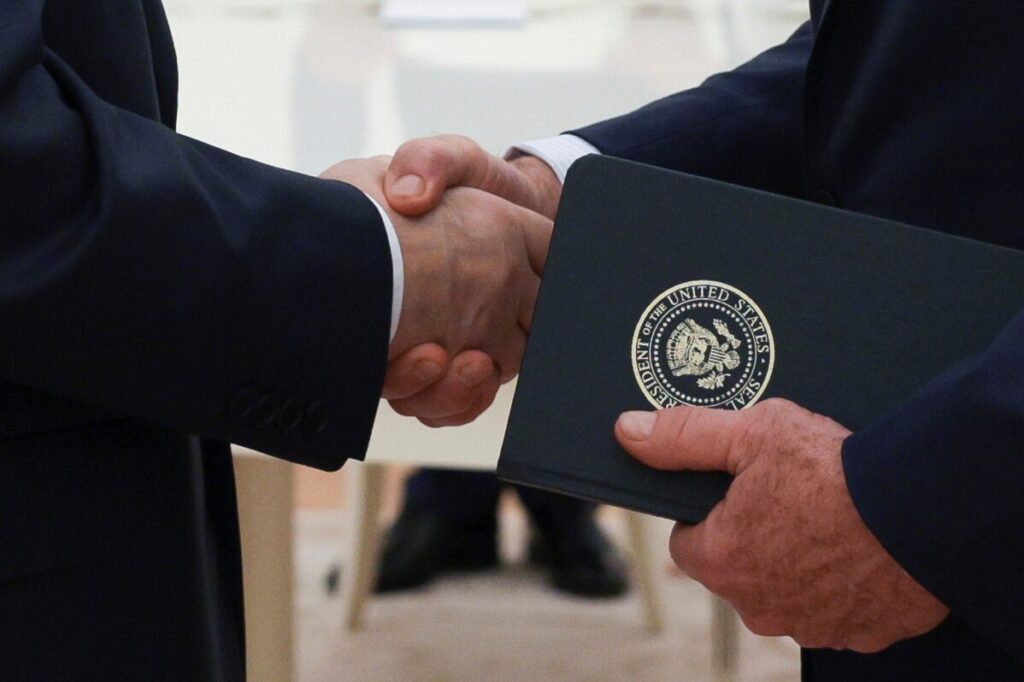
Ukrainian President Volodymyr Zelenskyy’s arrival at the Élysée Palace for talks with French President Emmanuel Macron may seem like progress toward peace, but beneath the diplomatic fanfare lies a dangerous game that threatens to undermine American principles of national sovereignty and freedom.
The nearly four-year conflict in Ukraine remains a crucible testing the resolve of the West—yet the emerging U.S.-authored peace framework reveals troubling signs of appeasement rather than strength. The plan, heavily critiqued by European allies and Kyiv itself, proposes severe curbs on Ukraine’s military capabilities, forbids its NATO membership ambitions, and demands territorial concessions. These conditions dangerously mirror Moscow’s objectives under a thin veil of diplomacy.
Are We Trading Freedom for Fragile Peace?
How long will Washington tolerate policies that effectively reward Russian aggression? The administration’s willingness to entertain these concessions signals a departure from America First values—values rooted in defending sovereign nations against coercion. President Trump rightly dismissed this 28-point framework as merely a “concept” needing refinement, spotlighting its flaws before they become irreversible policy.
Meanwhile, Macron’s push for “rock-solid” guarantees and deployment of reassurance forces shows an acute awareness of what true security entails—contrasting sharply with vague U.S. proposals risking Ukraine’s independence. The French president’s stance underscores that genuine peace is not achieved through capitulation but by robust deterrence aligned with shared Western interests.
Diplomacy or Distraction?
Simultaneously, Kremlin spokesperson Dmitry Peskov confirmed a meeting between Putin and U.S. envoy Steve Witkoff—a figure mired in controversy over reports he coached Russian officials on messaging to sway American leadership. This raises urgent questions about who really holds influence in Washington’s peace process and whether Moscow is steering negotiations to its advantage while feigning cooperation.
This complex diplomatic choreography puts American values at risk: Will our government continue down a path that sacrifices Ukrainian sovereignty and invites Russian expansionism? For hardworking American families facing inflation and security threats at home, these international decisions have tangible consequences.
The real test lies ahead—not just brokered ceasefires but ensuring that America stands firmly against globalist compromises undermining freedom abroad and security at home. How long will Washington ignore this pivotal responsibility?