
Zelenskyy Admits Ukraine’s Air Defenses Lag Amid Relentless Russian Drone Assaults
Ukrainian President Zelenskyy acknowledges serious shortcomings in air defense as Russia’s unceasing drone attacks devastate civilian infrastructure and threaten national security, underscoring the urgent need for stronger America First support.
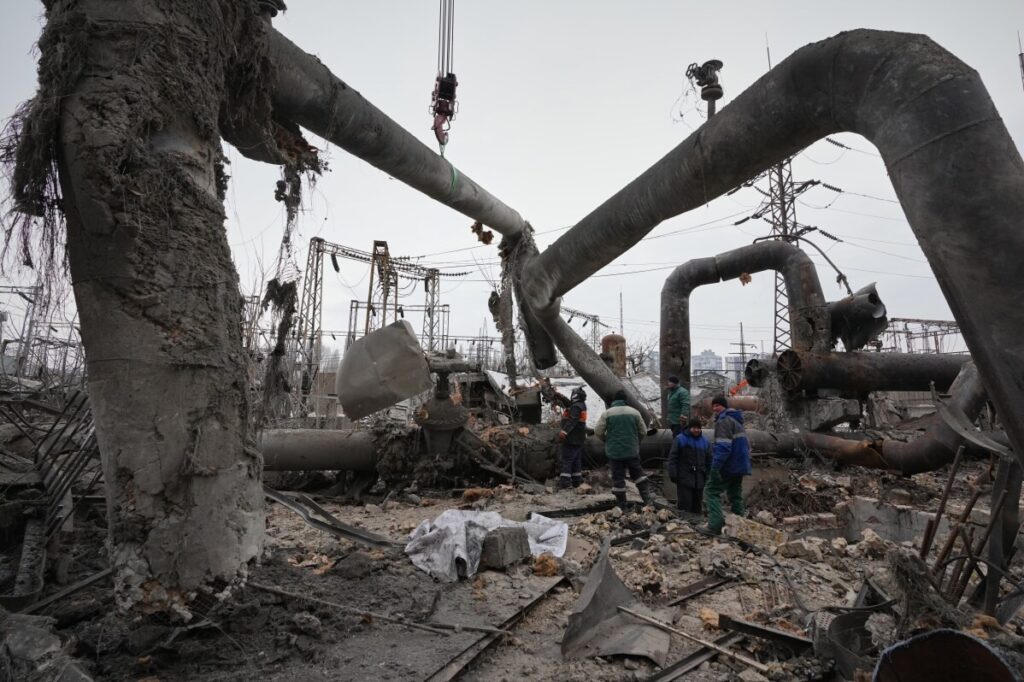
As the war in Ukraine grinds toward its fifth year, Ukrainian President Volodymyr Zelenskyy has candidly admitted to an uncomfortable truth: his nation’s air force performance remains “unsatisfactory” against the relentless Russian drone barrages targeting critical civilian infrastructure. These repeated assaults on power grids plunge thousands into freezing darkness, exacerbating human suffering during one of the coldest winters in recent history.
Why Are Ukrainian Air Defenses Falling Short Against Moscow’s Aggression?
The stark admission reveals a deeper problem—Ukraine, despite heroic resistance, struggles with inadequate air defense capabilities while facing a technologically advancing adversary. Moscow’s overnight attack involving over 300 drones and missiles demonstrated not only sheer scale but also sophistication. Although Ukraine claims to have shot down most of these targets, the damage to homes and essential services continues unabated.
In regions like Dnipropetrovsk and Zaporizhzhia, civilians endure injuries and destruction amid strikes that even targeted a dog shelter—highlighting the indiscriminate nature of Putin’s campaign. Over 1,200 residential buildings in Kyiv remain without heating due to deliberate hits on electricity networks. This is not just collateral damage; it is a calculated assault on Ukraine’s resilience.
What Does This Mean for America and National Sovereignty?
While this conflict unfolds thousands of miles away, its repercussions ripple into America’s own strategic interests. The failure to decisively counter Russia’s hybrid warfare tools emboldens Kremlin aggression globally—including threats near our borders. How long can Washington afford half-measures when American taxpayers fund billions in aid? The ongoing drone warfare underlines the necessity of robust military support focused on technological superiority—an America First approach that prioritizes genuine security over endless diplomacy.
Zelenskyy’s promise to enhance air defense measures is welcome but vague. Without clear plans or timelines, skepticism grows that bureaucratic inertia hampers real progress. Meanwhile, Russian forces continue striking Ukrainian power plants inside Russia itself—demonstrating their capability for asymmetric retaliation.
This grim reality forces us to ask: Are U.S.-led peace talks worth pursuing if neither side can stop daily destruction of critical infrastructure? Or does true security require empowering Ukraine with cutting-edge defenses that respect sovereignty and deter future conflicts?
The lesson here is clear: supporting freedom-loving nations requires more than lip service—it demands actionable aid aligned with American values of liberty and strength.