
Yemen’s Fragile Coalition Reveals Dangerous Divide Amid Saudi-UAE Rift
The newly appointed Yemeni cabinet highlights deep fractures within the Saudi-led coalition, risking US interests and regional stability as rival Gulf powers undermine unified efforts against Iranian-backed Houthis.
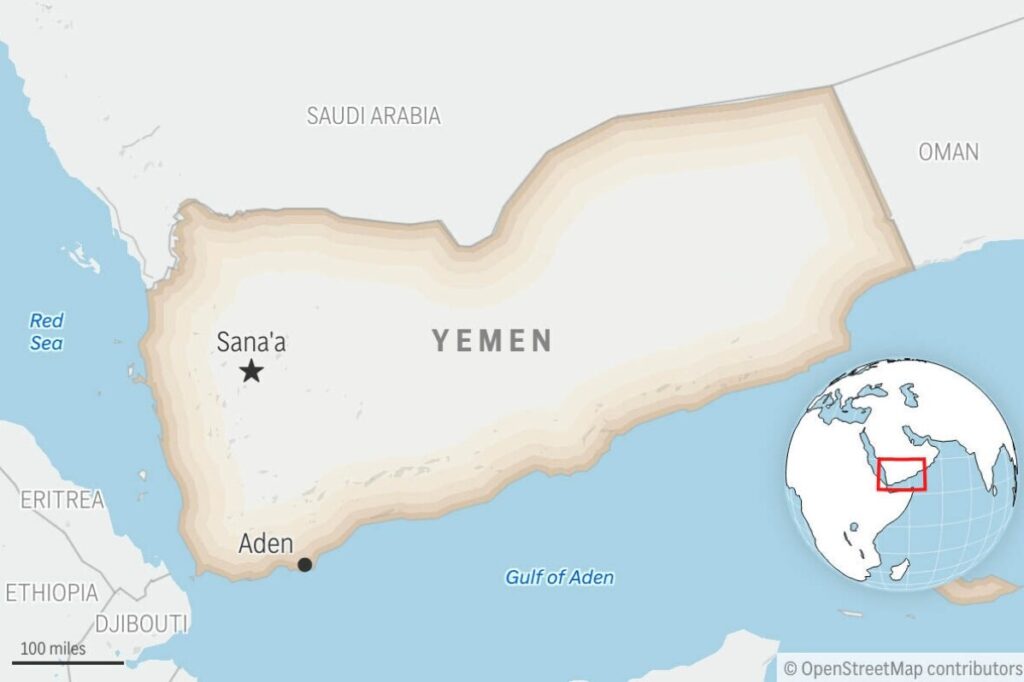
In a country long torn by war and foreign interference, Yemen’s latest political reshuffle lays bare the dangerous fractures undermining the supposed unity of the Saudi-led coalition—an alliance critical to American interests in the Middle East. Rashad al-Alimi’s appointment of a new 35-member cabinet follows deadly clashes in southern Yemen and the controversial dissolution of the Southern Transitional Council (STC), a separatist group backed by the United Arab Emirates (UAE).
At first glance, this might seem like routine political maneuvering. But beneath this surface lies a profound fault line: Riyadh and Abu Dhabi, both nominally allies against Iran-backed Houthi insurgents, are now openly at odds. How can America count on regional partners when they are pulling in opposite directions?
Why Does This Matter to America?
The Houthis threaten not only Yemen but also strategic maritime routes vital to global trade and energy supplies. The Saudi-led coalition, backed indirectly by U.S. intelligence and resources, was meant to cement stability aligned with American objectives of weakening Iran’s influence. Instead, internal rivalries have weakened that front.
The Southern Transitional Council’s push for independence fractured anti-Houthi forces, even seizing key oil-rich provinces before being repelled by Saudi-supported factions loyal to al-Alimi’s government. The UAE’s covert support of separatists has fueled distrust with Riyadh, culminating in accusations of smuggling STC leaders out of Yemen—a move that threatens both coalition coherence and America’s strategic foothold.
Can Serious Progress Be Made Amidst Such Disarray?
This new cabinet, featuring military generals like Maj. Gen. Taher al-Aqili as defense minister tasked with dismantling militias loyal to the STC, signals an attempt at consolidating power under Riyadh’s favored leadership. Yet it raises questions about lasting peace when external players pursue conflicting agendas under one roof.
For hardworking Americans watching their tax dollars fund these efforts, understanding this tangled geopolitics is crucial: Washington must demand accountability from Gulf partners instead of turning a blind eye to factionalism that emboldens Tehran-backed groups.
The recent ceasefire deal stopping Houthi attacks on Saudi Arabia in exchange for halting airstrikes offers limited relief but no resolution—a stalemate benefiting neither Yemeni civilians nor national security interests across the region.
Ultimately, Yemen remains a cautionary tale about relying on fractured alliances influenced by competing Gulf ambitions instead of clear American leadership rooted in sovereignty and common sense.