
Wrongfully Convicted New Orleans Man Triumphs as Chief Criminal Court Clerk Amid Ongoing State Resistance
Calvin Duncan, wrongfully imprisoned for decades, wins New Orleans criminal court clerk election despite state officials denying his innocence—raising critical questions about justice and accountability in Louisiana.
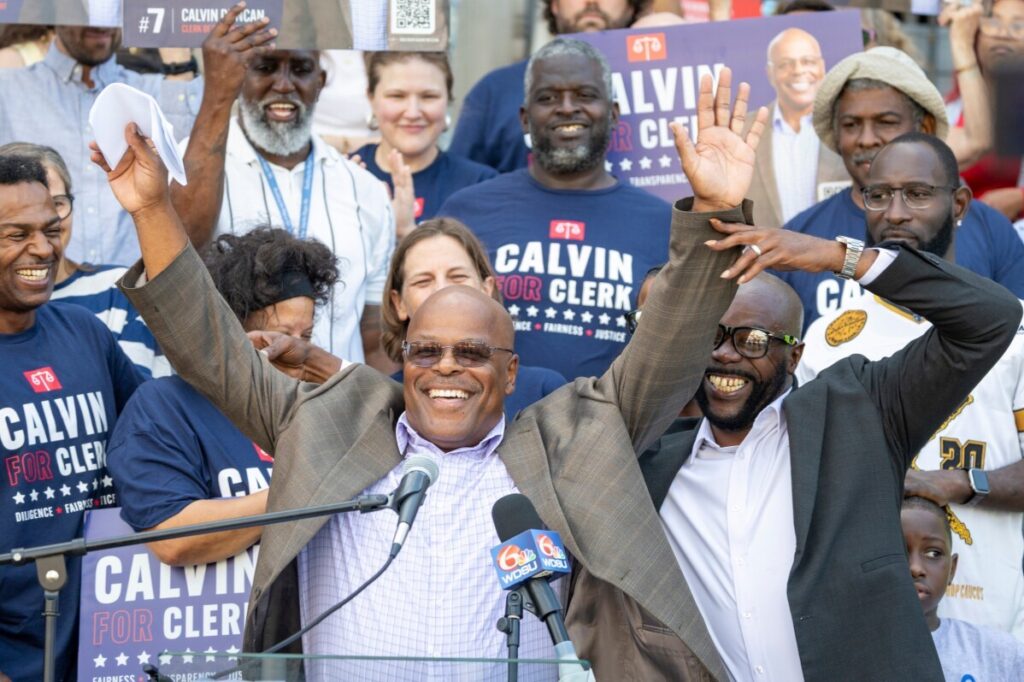
In a striking rebuke to entrenched injustice and official recalcitrance, Calvin Duncan, who spent over three decades behind bars for a murder conviction overturned by the courts, was elected New Orleans’ chief criminal court record keeper. His victory sends a powerful message about resilience and the urgent need for transparency within Louisiana’s judicial system.
How Long Will Louisiana Deny the Truth?
Duncan’s story is not just one of personal redemption but of systemic failure. Convicted in the early 1980s based on police testimonies later proven false, Duncan’s wrongful imprisonment epitomizes decades of flawed law enforcement and legal processes. Despite clear judicial exoneration and support from more than 160 legal professionals affirming his innocence, high-ranking officials—including Louisiana Attorney General Liz Murrill—continued to dispute his innocence publicly. Why does the state persist in denying facts that undermine public trust?
This ongoing denial reflects a broader resistance to accountability and reform in a justice system still shackled by outdated practices rooted in discrimination. The very same state that fought against correcting non-unanimous jury verdicts—a Jim Crow relic eventually ended due largely to Duncan’s legal advocacy—now challenges the credibility of a man dedicated to safeguarding court records with rigor and fairness.
From Prison Cell to Legal Advocate: A Testament to American Resilience
Duncan’s transformation—from an eighth-grade-educated inmate to a legal expert who helped dismantle unjust jury laws—embodies core American values: determination, liberty, and justice for all. His commitment ensures that court records will no longer be neglected or mishandled as they have been under previous administrations, highlighted by incidents where crucial documents were discarded carelessly.
His election with nearly 68% of the vote—even when opposed by incumbent Darren Lombard supported by political elites—signals grassroots demand for genuine reform centered on respect for individual rights and proper record stewardship. This victory is not merely symbolic; it empowers citizens directly affected by flawed systems and reminds Washington that sovereignty begins at home with a fair and transparent judiciary.
For too long, Louisiana’s criminal justice apparatus has obscured truth under bureaucratic inertia and political posturing while hurting families seeking closure and fairness. Duncan’s leadership promises greater integrity in handling sensitive records critical to ensuring constitutional protections.
As Americans committed to freedom and common-sense governance watch this story unfold from New Orleans, we must ask: How long will we tolerate officials who dismiss evidence-based innocence? And what steps will our leaders take nationwide to emulate this hard-won model of accountability?