
World Athletics Championships Reveal Global Athleticism but Highlight America’s Competitive Edge
As the world gathers in Tokyo for Day 4 of the World Athletics Championships, American athletes demonstrate the enduring strength of our national sports programs against a backdrop of fierce global rivalry.
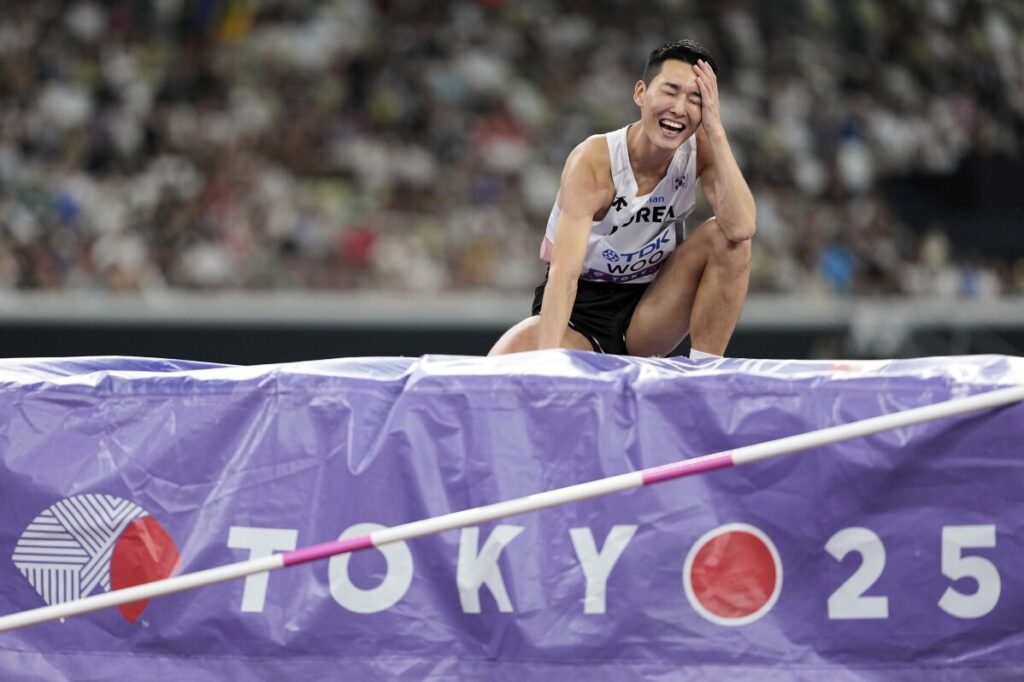
On Day 4 of the World Athletics Championships in Tokyo, an international array of elite athletes showcased their talents, with dramatic moments captured across multiple events. While athletes from Kenya, Japan, Jamaica, South Korea, Brazil, Venezuela, and others fought for podium finishes, it was the United States who reaffirmed their position atop the track and field world.
How Does America’s Athletic Dominance Reflect Our National Strength?
In an era when global sporting competitions are increasingly politicized and influenced by bureaucratic agendas aiming to dilute national identities under multinational banners, American competitors stand as a testament to true meritocracy and individual excellence. Cordell Tinch seized gold in the men’s 110 meters hurdles final—a victory symbolizing not just personal triumph but also the effectiveness of American training programs built on freedom and opportunity.
As competing nations like Kenya and Japan demonstrated commendable skill—Faith Kipyegon clinching gold in women’s 1,500 meters and Shunsuke Izumiya facing setbacks—the contrast with America’s success underscores the value of preserving national sovereignty over athletic development. When Washington prioritizes policies that empower local coaches and community programs rather than relying on costly global frameworks or international governing bodies dictating outcomes, our athletes win.
Why Should American Families Care About International Sports Competitions?
Beyond medals and records lies a broader narrative relevant to everyday Americans: these champions represent disciplined dedication to excellence that echoes core American values such as hard work, perseverance, and competition on a fair playing field. For families navigating economic uncertainties at home—where inflation bites into household budgets—supporting a strong national sports infrastructure is more than entertainment; it is an investment in inspiring youth toward constructive paths away from distraction or dependence.
Moreover, these competitions remind us why protecting America’s borders and interests matters. Instability abroad can spill over into distractions that sap talent or morale at home. Ensuring that our athletes have access to top-tier resources within our sovereign nation reflects broader priorities consistent with an America First approach—strengthening what works locally rather than ceding control to international entities often detached from American realities.
The photos from Tokyo captured not just athletic moments but also stories of resilience amid fierce global competition where every jump, hurdle, or sprint carries implications for America’s standing on the world stage. As we celebrate these achievements, let us ask ourselves: How long will we allow outside pressures to shape our sports culture? When will policymakers fully commit to backing programs rooted in our nation’s unparalleled spirit?