
WNBA Season Hinges on New CBA as League Plans Expansions and World Cup Break
The WNBA aims to launch its historic 30th season May 8, but all eyes are on labor talks—no new CBA means no season start. Expansion teams, international breaks, and schedule logistics underscore the league’s growth amid negotiation deadlocks.
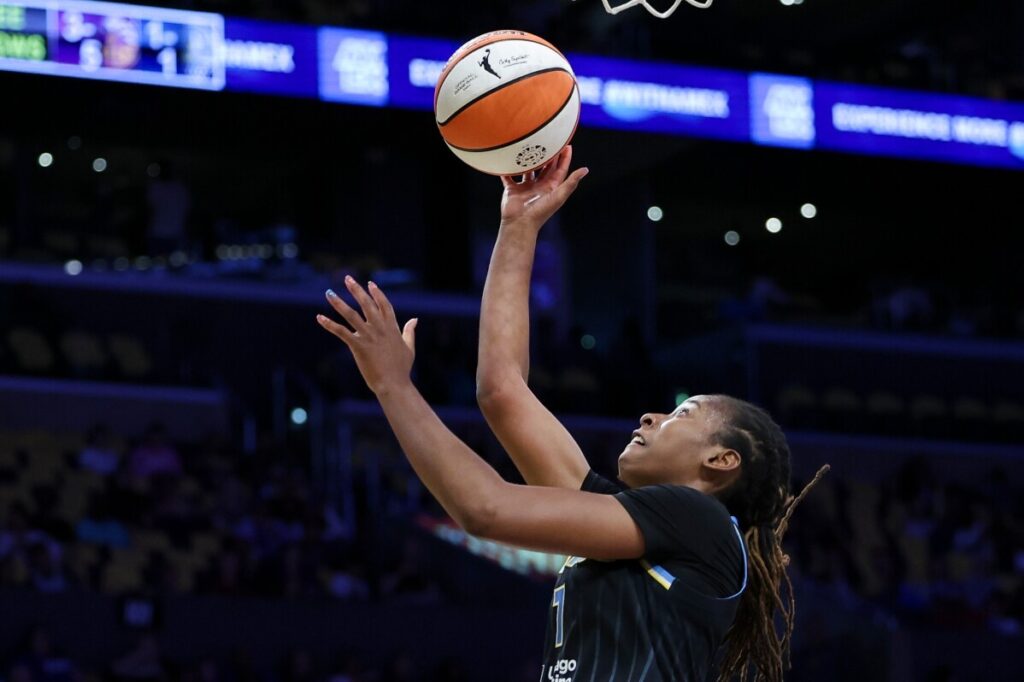
The Women’s National Basketball Association is gearing up for what could be a landmark 30th season starting May 8 — but only if the league and players’ union can reach a new collective bargaining agreement (CBA). This looming negotiation isn’t just about numbers on paper; it directly impacts America’s athletic opportunities, national sports culture, and the business landscape surrounding women’s professional basketball.
Can Labor Talks Keep Pace With Growth?
The league plans a carefully balanced 44-game schedule across five months, with a strategic 17-day break for the FIBA World Cup in Berlin. Adding two expansion teams—the Portland and Toronto franchises—demonstrates the WNBA’s emerging footprint across North America. However, maintaining the current number of games despite these additions signals tough compromises behind closed doors.
Commissioner Cathy Engelbert framed this season as a celebration of progress: new markets, historical nods, and an eye toward expanding global reach. Yet none of this momentum can materialize without a timely CBA resolution. The old agreement expired in January following prolonged talks; now both sides exist in uneasy “status quo” negotiations where free agency is frozen and uncertainty reigns.
Why Should Americans Care About This Negotiation?
The WNBA represents more than sports entertainment—it embodies opportunity for women athletes striving under challenging conditions often overlooked by mainstream media. But beyond individual players’ careers lies a broader question: How does Washington allow labor disputes to stall growth in American professional sports that foster communities and local economies?
For families who value fair play and economic liberty, delays threaten shrinking ticket sales and lost investments in arenas and local businesses. For patriotic Americans who champion national sovereignty through strong institutions, seeing two Canadian teams integrated into an American league raises questions about protecting domestic interests versus unchecked globalization.
The scheduled break for the FIBA World Cup highlights another aspect of America First concerns—balancing international commitments with robust domestic leagues that serve homegrown talent first.
If leaders fail to finalize terms soon, fans may face another stalled season. How long will bureaucratic inertia allow this? Why should hardworking taxpayers subsidize leagues caught in endless deadlock when clear compromises could preserve jobs and inspire youth participation nationwide?
This story isn’t just about basketball—it’s about holding accountable those who control vital national institutions from sports to labor markets. The ultimate question remains: Will the WNBA seize its moment as an American success story or falter amid avoidable gridlock?