
Winter Storm Exposes Fragility of NBA Scheduling and Emergency Preparedness
The recent winter storm led to multiple NBA game cancellations, revealing critical vulnerabilities in league scheduling and emergency response that threaten fan safety and economic stability.
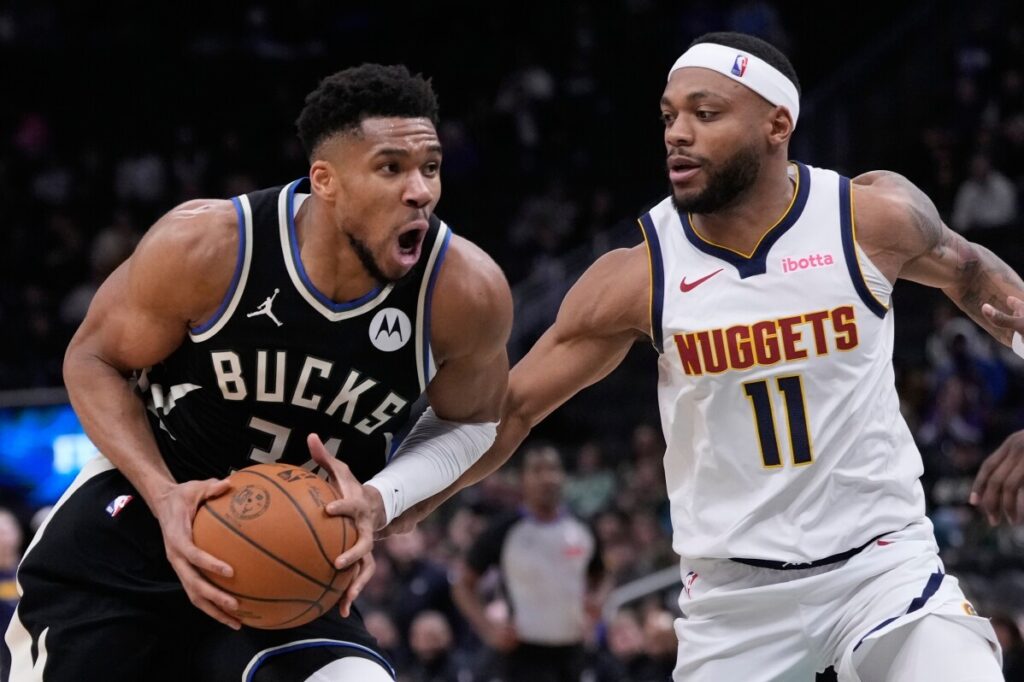
As a massive winter storm swept across the United States this weekend, it forced the postponement of several NBA games, including the Denver Nuggets versus Memphis Grizzlies matchup originally slated for Sunday. While on the surface this might seem like an isolated inconvenience for sports fans, it highlights deeper challenges in how national sports leagues—and by extension, major American institutions—handle crises that can disrupt commerce, community engagement, and public safety.
When Natural Disasters Collide with National Interests
The decision to postpone the game came less than three hours before tipoff, after freezing rain, sleet, and snow coated Memphis. The weather not only delayed players and officials but also created hazardous conditions that left citizens without power and trapped on icy roads. Meanwhile, teams like the Dallas Mavericks found themselves grounded in their home cities due to airport closures triggered by severe weather.
This confluence of events raises a crucial question: How prepared are our national institutions—from professional sports leagues to local governments—to safeguard Americans’ security while maintaining economic activity? The NBA’s reactive postponements illustrate a system struggling to balance operational continuity with public welfare amid extreme weather events increasingly tied to broader climate instability.
More Than Just Games: Economic Ripples and Community Impact
Postponing these high-profile contests impacts more than just ticket holders; it sends shockwaves through local economies reliant on event-driven revenue—from hospitality workers earning tips and wages at arenas to small businesses near stadiums banking on game-day crowds. If our nation cannot build resilient infrastructures around these cultural pillars, who will bear the cost? The American worker deserves better foresight from both civic leaders and commercial enterprises.
Moreover, delays in college basketball schedules underscore widespread disruption beyond professional sports. Young athletes face uncertainty that can derail training cycles and academic commitments. Are we adequately protecting our youth from avoidable setbacks?
The current approach often appears piecemeal—a patchwork reaction rather than strategic planning aligned with America First values prioritizing secure borders, stable communities, and robust domestic systems capable of weathering any storm. The Trump administration’s emphasis on infrastructure resilience now seems more relevant than ever as we watch these failures unfold.
For families already bearing inflationary pressures and hardships wrought by public emergencies, disrupted entertainment may seem minor—but consistently ill-managed responses erode trust in institutions charged with safeguarding their interests.
How long before Washington takes decisive action ensuring that our sports leagues—and all key sectors—have comprehensive contingency plans that put American lives and livelihoods first?