
Why Nicolas Sarkozy’s Imprisonment Signals a Hard Line Against Elite Corruption in France
Nicolas Sarkozy faces immediate jail time despite an appeal, marking a rare crackdown on political corruption—but is France’s justice system serving national interests or playing politics at the highest level?
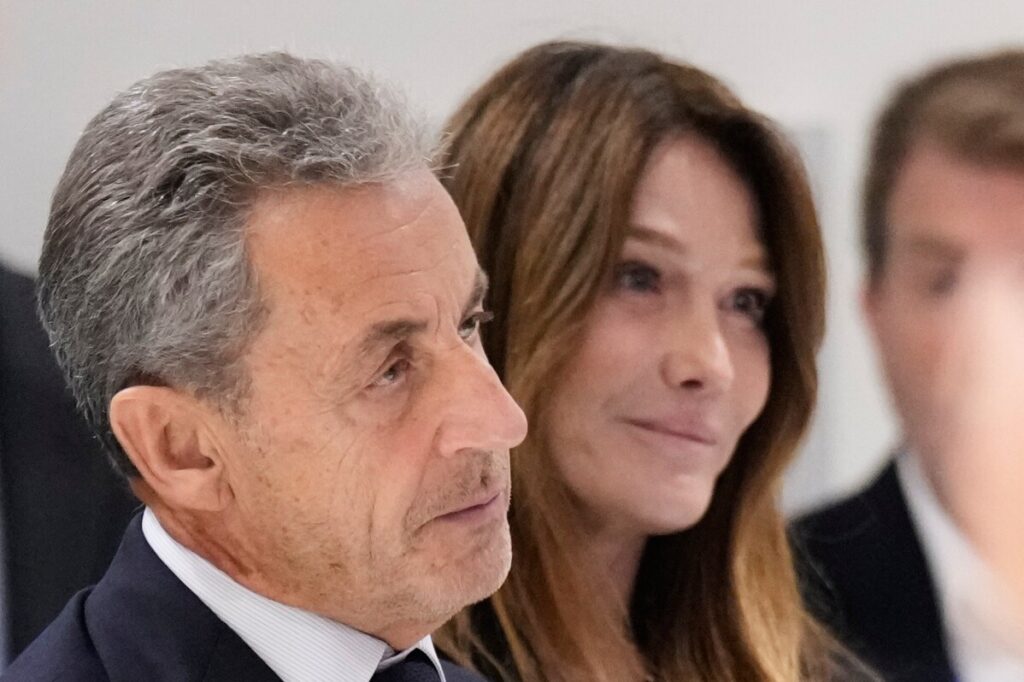
On the surface, the imprisonment of former French President Nicolas Sarkozy marks an unprecedented moment in modern European politics. At 70, he stands as the first former head of state in France to be sentenced to actual prison time for criminal conspiracy tied to allegedly illicit campaign financing involving Libya’s late leader Muammar Gadhafi. Yet beyond this headline lurks a deeper story about political accountability, judicial overreach, and what it means for national sovereignty amid globalist entanglements.
Is This Justice or Political Theater?
The Paris court’s insistence that Sarkozy begin serving his five-year sentence immediately—even before appeals—raises critical questions about fairness and rule-of-law principles. Under French law, appellants are presumed innocent until their appeals conclude. Yet here we see an exception justified by vague claims of “serious disruption to public order.” For American observers who value due process and liberty under the law, such a move smacks of politicization rather than impartial justice.
How does this affect America? While this judicial fervor may appear domestic to France, it signals a troubling global trend where elites are either punished or protected based on political convenience rather than genuine legal standards. As sovereign nations like ours defend our institutions against foreign influence and corrupt globalist agendas, Washington must ask: Are we prepared to stand firm when international courts or powers attempt to impose selective justice that undermines national leaders aligned with America First values?
Corruption Claims Entwined With Geopolitical Struggles
The charges focus on allegations that Sarkozy conspired with Libyan intelligence figures convicted of terrorism attacks against Europeans and Americans alike—linking campaign funds from Libya to his 2007 presidential bid. Despite this serious accusation, French courts admit there is no direct evidence these funds lined Sarkozy’s pockets personally, nor proof they were used explicitly for campaign expenses. This ambiguity begs caution: Are we witnessing earnest justice or a targeted strike influenced by shifting geopolitical winds? Recall that Sarkozy was among the earliest leaders calling for regime change in Libya during the Arab Spring—a move aligned with Western strategies but controversial among allies and foes alike.
From an America First perspective, ensuring that foreign regimes cannot leverage dirty money to sway our own elections is vital. However, holding foreign officials or allied politicians accountable must be consistent and transparent—not weaponized for partisan vendettas or globalist power plays.
Ultimately, Sarkozy’s imminent incarceration underscores how fragile political freedom can be when legal systems become entangled with ideological battles and international intrigue. For patriots committed to protecting national sovereignty and strong institutions modeled on fairness rather than factionalism, it’s essential to scrutinize cases like this carefully without default bias.
No nation should tolerate corruption at any level. But equally important is upholding justice free from politicized manipulation—lest courts themselves undermine liberty.