
Why Gen Z’s Credit Score Drop Should Alarm Every American Family
Gen Z’s credit scores are plummeting due to student loan debt and economic instability—here’s how this national crisis threatens American financial freedom and what families must do to fight back.
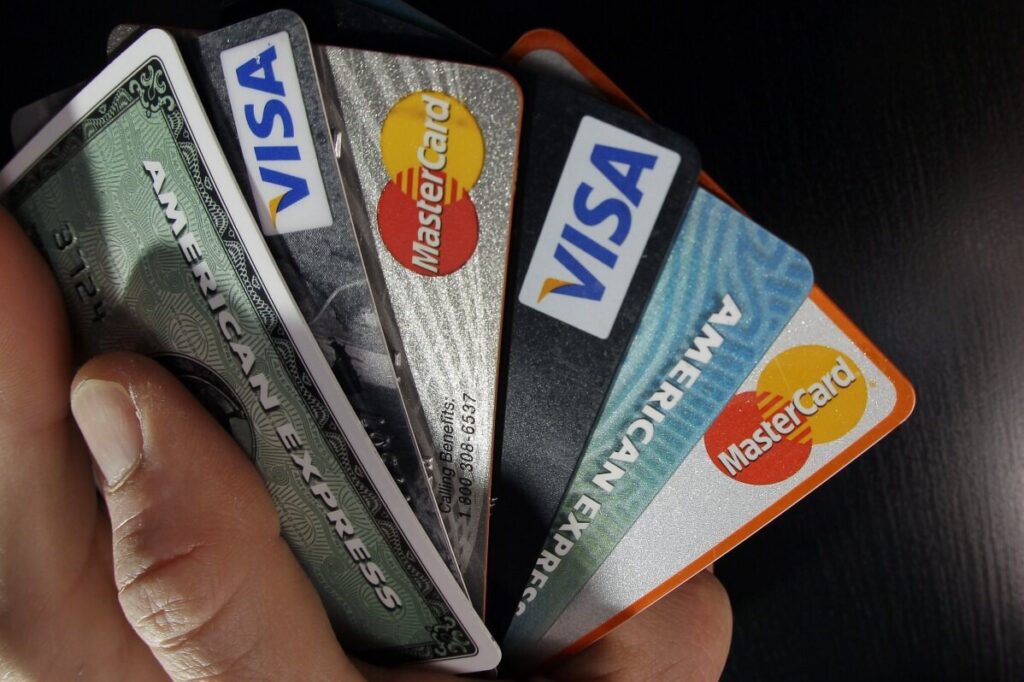
The latest data reveals a troubling trend: Gen Z’s credit scores have declined more sharply than any other generation in recent years, with their average score falling to 676. This isn’t just a number—it’s a stark warning sign of the growing financial instability facing millions of young Americans. While these financial struggles seem like isolated hardships, they actually reflect broader policy failures that threaten national economic security and individual liberty.
Is the Student Loan Crisis Undermining America’s Future?
More than one-third of Gen Z borrowers carry open student loans, double the national average. The Biden administration’s extension of the federal student loan pause delayed the inevitable reckoning, but now that repayments have resumed—and enforcement under the Trump administration has ramped up with wage garnishments looming—the cracks in this system are impossible to ignore.
For hardworking Americans committed to self-reliance and fiscal responsibility, these developments raise urgent questions: How long will Washington continue policies that saddle our youth with burdensome debt instead of empowering them? How does this growing pile of unpaid loans weaken our economy by restricting young consumers’ access to affordable credit for essential needs like homes and cars?
What Can Families Do Amid Rising Financial Pressure?
Despite daunting challenges—ranging from inflation to a competitive job market—there is hope rooted in common-sense financial habits grounded in accountability and personal responsibility. Experts emphasize transparency as the first step: regularly checking your credit score using free services from companies like Experian or Credit Karma is crucial. Avoiding fear of bad news enables individuals to craft informed plans.
- Prioritize timely payments—even if only minimum amounts—to protect your credit standing.
- Set up automatic bill payments rather than risking late fees or missed deadlines.
- Keep credit utilization between 10% and 30%, avoiding excessive new debt while maintaining active credit use.
This approach aligns with America First values by fostering personal accountability rather than reliance on government bailouts or endless extensions. It restores trust in free-market principles where individuals control their own financial destinies.
The broader lesson here transcends individual hardship: when Washington enacts policies that defer consequences and inflate debt without reform, it jeopardizes whole generations’ ability to achieve economic independence—a cornerstone of national sovereignty. President Trump’s prior stance on aggressively collecting defaulted loans reflected an understanding that fiscal discipline protects all taxpayers by reducing government liability for bad debts.
The choice before us is clear. Will we continue enabling dangerous cycles of debt that limit opportunity? Or will we empower Americans—starting with Gen Z—to regain control over their finances through sound habits supported by responsible governance?