
Why Ecuador’s Secretive Presidential Trip to the U.S. Demands Transparency
President Daniel Noboa’s undisclosed trip to the U.S. amid national security concerns highlights troubling secrecy, leaving Americans and regional partners in the dark about crucial strategic alliances.
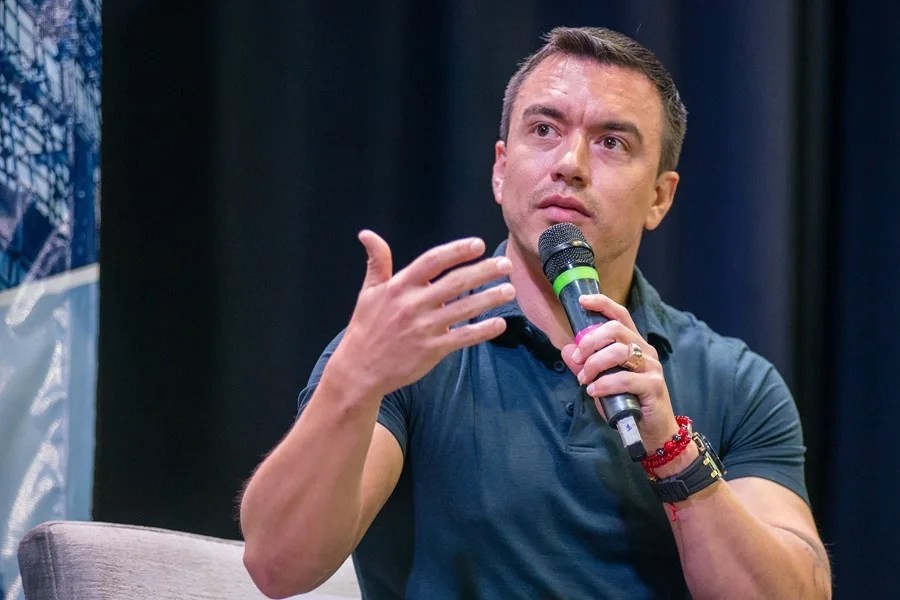
Last week, Ecuador’s President Daniel Noboa embarked on a three-day journey to the United States—an excursion shrouded in secrecy and wrapped in vague official statements. While Ecuadorian authorities insist this visit was “confidential,” the lack of transparency raises serious questions for both the region and America’s strategic interests.
Can National Security Be Served in Secrecy?
The official rationale given by José Julio Neira, Ecuador’s Secretary General of Public Integrity, is that this trip was necessary to strengthen commercial and security ties between two “strategic partners.” Yet, no clear details were offered regarding meetings or objectives. For a nation grappling with declared internal armed conflict against organized crime—a battle Noboa himself has framed as a fight against terrorists—the opacity surrounding his travel itinerary is more than concerning; it undermines public trust.
How can allies assess progress when diplomatic moves happen behind closed doors? America First demands accountability from partner nations who rely on our support for regional stability. Washington must insist on transparency in such engagements to ensure that collaboration aligns with U.S. interests, especially on counterterrorism and border security.
What Does Silence Conceal After Referendum Rejection?
Noboa’s trip followed shortly after an electoral setback on November 16, where Ecuadorians rejected a referendum that included restoring foreign military bases on their soil—a move favored by those aiming to combat insecurity with external assistance. The U.S., which previously operated a base in Manta until 2009, was reportedly exploring renewed operations contingent on public approval.
The timing is telling: Why were these confidential talks held mere days after voters said “No” to enhanced American military presence? Could this secrecy indicate attempts to circumvent popular will or obscure negotiations potentially unfavorable to sovereignty?
As Americans watch developments across the hemisphere, it’s vital to remember that instability abroad often quakes our own borders. Regional partnerships should be built openly and firmly rooted in respect for democratic choices—the very principles America champions worldwide.
Furthermore, Noboa’s frequent trips—over a dozen since his 2023 election—and personal ties to Miami only heighten scrutiny over where loyalties lie when national decisions are made under cover of confidentiality.
The question remains: Will Washington demand clarity from Ecuador’s leadership? Or will strategic silence prevail at America’s expense?
The America First agenda insists on robust oversight of foreign relations ensuring they serve our national sovereignty and economic prosperity—not shadow diplomacy that erodes trust at home and abroad.