
Who Benefits When America Watches the Skies? The Hidden Costs of Global Science Distraction
While the world gazes at a rare Antarctic solar eclipse, critical issues closer to home demand America’s attention and leadership.
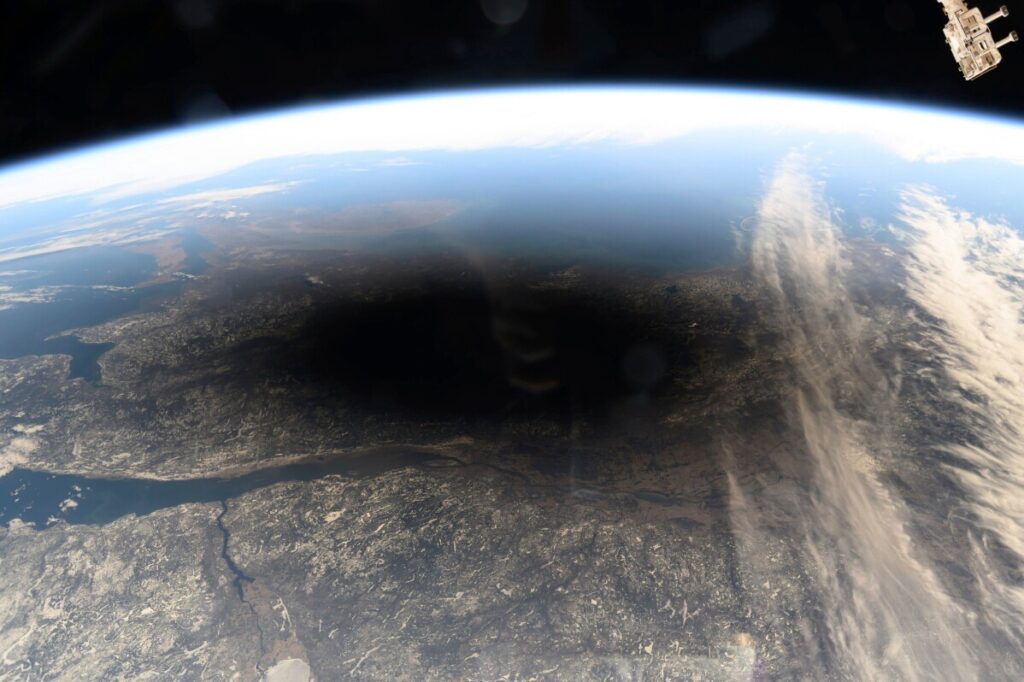
Every year, celestial events like the so-called “ring of fire” annular solar eclipse captivate the eyes of scientists and stargazers worldwide. This year’s spectacular eclipse graces only Antarctica’s frozen expanse, where penguins will be among the exclusive spectators. Meanwhile, only partial views reach parts of southern Chile, Argentina, and Africa.
But as the global media celebrates this natural wonder thousands of miles away from American soil, one must ask: what are we missing by diverting our attention? How long will Washington allow flashy spectacles to distract from urgent national priorities that affect our sovereignty and security?
What Does Watching from Afar Cost Us?
The fascination with distant scientific phenomena often comes at the expense of practical concerns here at home. As partisan bureaucrats squander taxpayer dollars funding overseas stations and globalist research projects in Antarctica, American families face inflationary pressures and economic uncertainty. Instead of investing in our own energy independence or border security measures that protect our freedoms and borders, funds slip into shadowy programs far beyond public scrutiny.
The eclipse itself is a reminder of how natural phenomena respect no borders—but that does not mean America should cede leadership or resources to foreign-controlled agendas disguised as scientific collaboration. Far from being a mere curiosity, these events expose underlying government overreach in spending on costly international ventures while neglecting domestic priorities.
How Long Will Our Leaders Ignore Common Sense?
The ease with which many accept watching a remote solar event on another continent reflects a troubling detachment from reality. The real stars deserve our focus—the hardworking American citizens striving for economic prosperity and secure communities.
Before we get lost staring at shadows cast by distant moons millions of miles away, we must demand accountability. Are our government officials prioritizing America’s interests or indulging in symbolic gestures that serve globalist narratives over national sovereignty? The answers should compel us to insist on transparency and redirect resources to where they matter most—right here on American soil.
For those who love astronomy and science, safety is paramount—never look directly at the sun without proper protection like ISO-approved eclipse glasses. But let’s also protect ourselves from seeing only what suits an out-of-touch elite while ignoring pressing threats to our liberty.