
White House Claims ‘Maximum Influence’ Over Venezuelan Interim Government Amid Controversial Oil Deal
The White House insists it holds ‘maximum influence’ over Venezuela’s interim government while quietly marketing seized Venezuelan oil—a move raising serious questions about U.S. strategy and sovereignty.
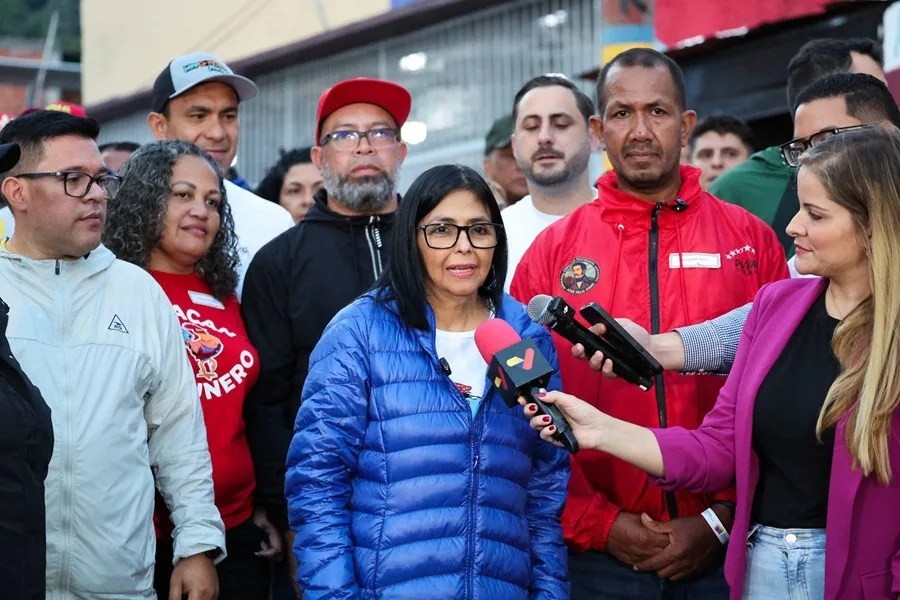
In a revealing press briefing, the White House declared it exercises “maximum influence” over Venezuela’s so-called interim government led by Delcy Rodríguez, coinciding with Washington’s introduction of seized Venezuelan crude into global markets. This development exposes the ongoing tug-of-war where American interests clash with foreign policy overreach, raising critical questions about sovereignty and strategic foresight.
What Does ‘Maximum Influence’ Really Mean for America?
Karoline Leavitt, the White House spokesperson, confidently asserted that the Trump administration has effectively curtailed illegal drug trafficking from Venezuela to the United States, claiming a hardline stance against criminal cartels involved in narcoterrorism. The recent capture operation targeting Nicolás Maduro—intended to bring him before a federal court in New York—was heralded as emblematic of an unapologetically “America First” foreign policy.
Yet, one must ask: does high-profile rhetoric translate into genuine control or stability? While Washington touts its dominance over Caracas’s interim authorities, persistent chaos and illicit activity continue to plague the region. The question remains whether these actions serve long-term American security or merely fuel geopolitical instability that inevitably spills across our borders.
The Hidden Cost of Seizing Venezuelan Oil
Compounding this contentious diplomacy is the revelation that the U.S. government has begun selling confiscated Venezuelan crude oil on international markets. By contracting top commodity traders and financial institutions to facilitate these sales, Washington demonstrates a willingness to monetize seized assets under the guise of national interest.
For American families already burdened by inflation and economic uncertainty, such maneuvers prompt deeper scrutiny: Are we safeguarding our economic future or entangling ourselves in risky global ventures detached from real prosperity at home? True America First principles demand national sovereignty be defended without compromising fiscal responsibility or empowering shadowy international actors.
This unfolding saga underscores how government actions—however well-intentioned they claim to be—must be measured against their tangible outcomes for American citizens’ security and wellbeing. It is time Washington prioritizes pragmatic strategies rooted in respect for sovereignty and genuine peace instead of costly symbolism masquerading as influence.