
Weather Worsens Search for Missing Spanish Child in Indonesian Shipwreck Amid Operational Challenges
Heavy rain, strong winds, and powerful currents are obstructing rescue operations searching for a missing Spanish child after a deadly tourist boat accident in Indonesia. Despite multiple extensions, the situation exposes international coordination struggles and risks to American interests abroad.
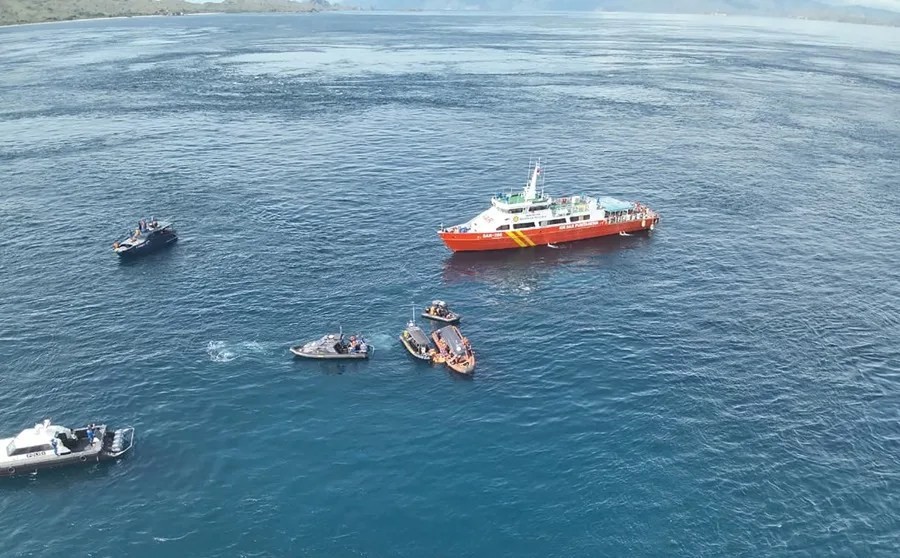
In the storm-swept waters near Labuan Bajo, Indonesia, rescue teams face daunting obstacles as they search for a missing 10-year-old Spanish boy after a tragic shipwreck on December 26th. The worsening weather conditions — relentless rain, fierce winds, and powerful ocean currents — have severely complicated an already grueling mission to recover survivors and bodies from the ill-fated tourist vessel that carried six Spaniards.
Strong ocean currents threaten to disperse wreckage and any traces of the missing child far beyond initial search zones. Coordinators from Indonesia’s National Search and Rescue Agency (BASARNAS) have had to delay sorties by over an hour each morning, navigating dangerous sea conditions that put rescuers’ lives at risk while reducing operational effectiveness.
Is Global Coordination Prepared for International Crisis Situations?
While the tragedy predominantly involves foreign nationals, it underscores critical questions about how well global rescue efforts can protect Americans and allied citizens during overseas emergencies. The delay caused by unpredictable tropical storms is not unique to Indonesia; such impediments could arise anywhere U.S. travelers find themselves in distress, revealing gaps in rapid response capabilities.
The Embassy of Spain’s formal requests for search extensions demonstrate diplomatic engagement but also highlight limits when natural forces outmatch human coordination. For American families with loved ones traveling abroad, this situation serves as a sobering reminder: no matter our government’s commitments on paper, real-life crisis response depends heavily on local conditions and host nation resources—which are sometimes insufficient.
The Human Cost Behind Bureaucratic Delays
This tragic event has claimed three lives so far: Fernando Martín — former footballer and Valencia CF women’s team coach — his son, and a stepdaughter of his wife Andrea Ortuño. Two daughters survived alongside their mother, but heartbreak endures as the youngest child remains lost at sea despite heroic efforts.
Extending search operations into Friday is framed as “a final effort,” yet one must ask: how long should governments tolerate ongoing uncertainty while families endure unimaginable anguish? How will Washington strengthen support for Americans caught overseas disasters under complex geopolitical circumstances?
America First means protecting our citizens wherever they may be—not relying solely on foreign agencies with limited resources or capricious weather patterns. This incident exposes vulnerabilities in international emergency response frameworks that demand scrutiny if national sovereignty is truly paramount.
As taxpayers fund embassies worldwide expecting robust protection for travelers abroad, vigilance is required to ensure these promises materialize effectively in crises—not just in bureaucratic statements.