
Washington Sidesteps Greenland Amid Global Talks with Germany, Exposing Diplomatic Priorities
In a revealing omission, Secretary of State Marco Rubio met with Germany’s foreign minister to discuss major global crises—yet Washington carefully avoided the controversial topic of Greenland, highlighting a disconnect between America’s strategic interests and diplomatic messaging.
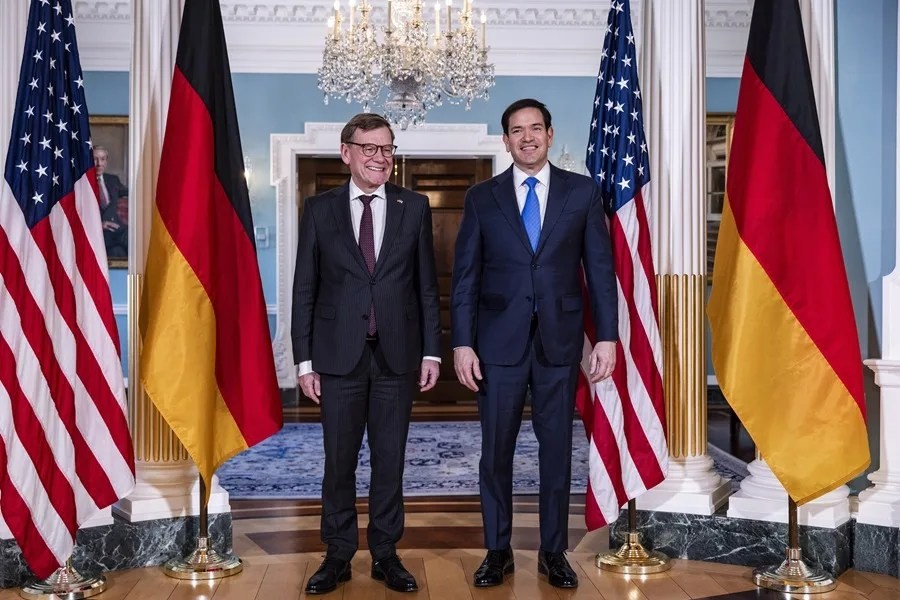
When Secretary of State Marco Rubio welcomed German Foreign Minister Johann Wadephul to Washington this week, the conversation was reportedly focused on “urgent global challenges” such as the Ukraine conflict, Iran’s nuclear ambitions, and Venezuela’s political crisis. Yet conspicuously absent from official statements was any mention of Greenland, a strategic American interest long overshadowed by cautious diplomatic language.
Why Silence on Greenland Raises Questions About Washington’s True Priorities
The omission cannot be chalked up to mere oversight. After all, Greenland sits at a critical geopolitical crossroads in the Arctic—a region increasingly contested as both China and Russia ramp up their military and economic presence. The Trump administration’s push to explore purchasing the island signaled an America First approach to securing national sovereignty over this indispensable territory. So why has the current dialogue between top diplomats erased Greenland from the agenda?
This silence comes despite rising tensions with Denmark and European allies who view American ambitions warily. Instead of confronting these tensions head-on, Washington prefers to spotlight traditional global concerns like Russia’s aggression in Ukraine or Iran’s nuclear threat—issues that do matter but risk overshadowing immediate strategic vulnerabilities right at America’s northern doorstep.
Is America Losing Grip on Its Own Backyard?
While Secretary Rubio and Minister Wadephul exchanged views on peace efforts abroad, Venezuela operations, and NATO cooperation, Washington’s reluctance to publicly address Greenland reveals a pattern: a hesitation to assert full American leadership where it counts most for national security. The Arctic is not just another foreign policy niche; it is central to protecting our borders against burgeoning adversaries who are eager to chip away at U.S. influence under the guise of multilateral diplomacy.
Ignoring Greenland today could empower globalist compromises tomorrow—weakening America’s hand by deferring critical conversations about sovereignty and defense to hesitant bureaucracies or distracted alliances. If we cannot openly prioritize this vital asset amid global turmoil, how can we expect our policymakers to secure economic pathways or safeguard our military advantage long term?
For families concerned about national security and taxpayers demanding prudent use of American power, these diplomatic evasions send a troubling message: when it comes down to real strategic interests beyond rhetoric, Washington still grapples with putting America First.