
Wall Street’s Record Rally Masks Growing Risks from Tariff Wars and Fed Policy Uncertainty
Despite Wall Street hitting new highs, the shadow of escalating tariffs and uncertain Federal Reserve actions threatens American economic sovereignty and everyday prosperity.
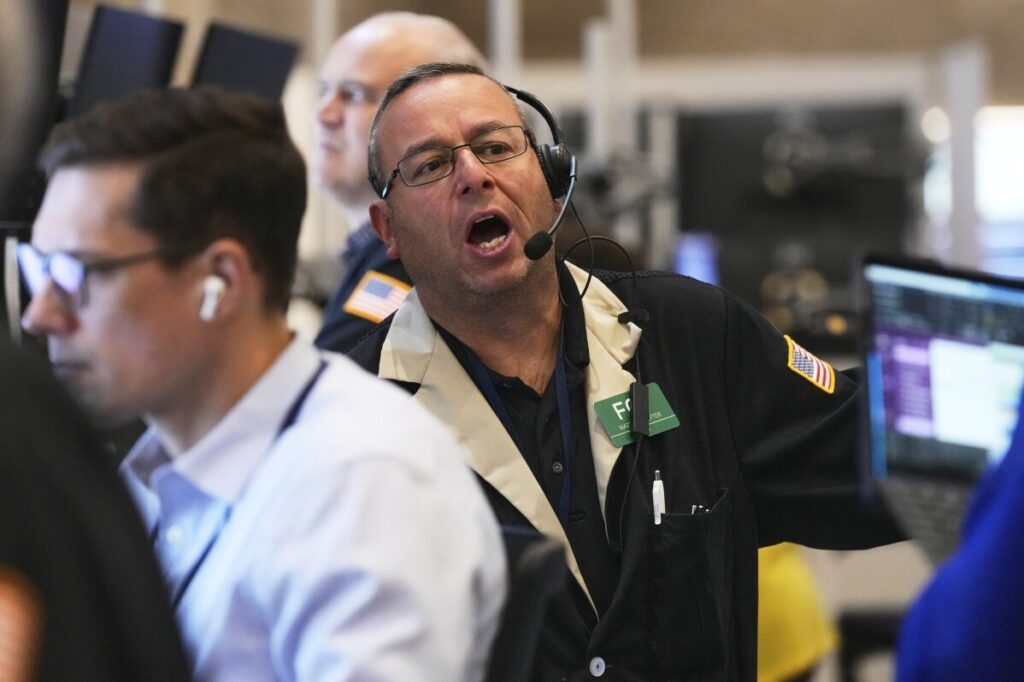
Asian markets are mostly climbing alongside record-setting U.S. stock indexes, yet beneath this veneer of optimism lies a more troubling narrative that demands scrutiny. The recent surge in Wall Street’s S&P 500 and Dow Jones scores masks deeper risks stemming from President Trump’s aggressive tariff policies and an increasingly unpredictable Federal Reserve.
Are Tariffs Fueling Economic Illusions at America’s Expense?
The U.S.-China trade war, marked by America imposing hefty tariffs — currently up to 30% on Chinese imports — has thrown a wrench into global commerce. While some cheer these moves as protecting national industry, the reality is more complex: higher import costs squeeze American families already stretched by inflation and disrupt supply chains that support our economy. Meanwhile, China retaliates with its own tariffs, creating a dangerous cycle of tit-for-tat levies that slow growth not just abroad but here at home.
The latest data shows Japan’s Nikkei rising modestly by 0.5%, South Korea’s Kospi surging over 1%, and Hong Kong’s Hang Seng gaining ground — yet the Shanghai Composite barely budged. This uneven response underscores ongoing uncertainty in global markets driven in large part by tariff tensions. The question is whether this so-called “optimism” on Wall Street truly reflects underlying strength or is merely short-term speculation buoyed by anticipated Federal Reserve intervention.
Federal Reserve Moves: Boosting Markets or Risking Inflation for American Families?
Wall Street bets heavily on the Fed cutting interest rates soon to prop up a weakening job market after revelations that previous employment figures were overstated by nearly a million jobs nationwide. But at what cost? Lower rates could temporarily shield investors but risk overheating inflation—a tax on every American household’s purchasing power.
This delicate balancing act highlights a core tension facing policymakers: uphold economic liberty and sound money principles or cave to pressure for easy fixes that ultimately erode national prosperity. For patriotic Americans demanding fiscal responsibility and freedom from overbearing bureaucracy, this is no minor issue; it’s about safeguarding the country’s economic future.
Moreover, rising oil prices amid Middle East tensions add further strain to consumers already battling high costs. Though these increases remain contained for now, any escalation can ripple quickly through energy bills and transportation expenses—key factors influencing everyday American livelihoods.
The path forward depends on Washington choosing real reforms over temporary market thrills. Will our leaders defend national sovereignty against globalist trade pressures? Will they pursue policies empowering hardworking Americans rather than financial speculators?
These questions matter because behind every market statistic lie ordinary families striving to keep their freedoms intact while ensuring economic security for generations to come.