
Wall Street’s Modest Moves Mask Underlying Risks Amid Global Market Fluctuations
Asian shares rise and U.S. futures hold steady, but economic uncertainties and geopolitical tensions expose vulnerabilities in global markets—what does this mean for America’s economic sovereignty?
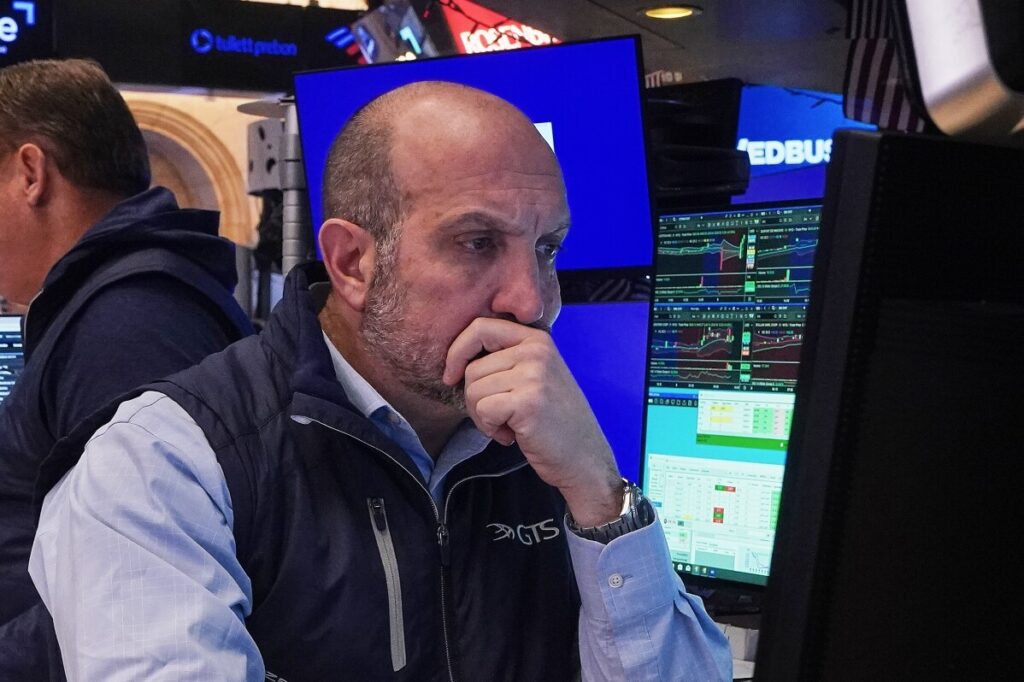
As Asian markets posted modest gains following mixed signals on Wall Street, the broader picture reveals a complex web of economic and geopolitical challenges that threaten America’s national interests and financial security.
How Reliable Are These Market Gains in the Face of Global Uncertainty?
The Nikkei 225 surged over 1%, buoyed by strong corporate earnings like those from Fast Retailing, yet nearby markets in Hong Kong and Australia barely moved, reflecting uncertainty beneath the surface. China’s rising inflation hints at increasing domestic demand—but it also signals potential price pressures that could disrupt supply chains globally. For America, grappling with inflation and supply issues domestically, an unstable Chinese economy means added risk to our own financial recovery.
Moreover, Australia’s mining giant Rio Tinto’s confirmed talks to merge with Glencore raise questions about the consolidation of critical resource control outside American jurisdiction. How long will we watch foreign conglomerates dominate vital sectors while America strives to maintain energy independence and resource sovereignty?
Are Trump’s Proposed Defense Spending Increases Enough to Secure America’s Strategic Position?
On Wall Street, defense stocks rallied after President Donald Trump proposed hiking military spending to $1.5 trillion by 2027. Companies like Lockheed Martin and L3Harris Technologies saw notable gains as investors bet on increased government contracts. Yet raising spending is only part of the solution; ensuring that funds are efficiently allocated toward strengthening America’s defense capabilities against emerging threats is critical.
This cautious optimism contrasts with a backdrop of troubling developments: The U.S.’s recent seizure of oil tankers linked to Venezuela underscores ongoing efforts to assert control over foreign oil reserves—a move aligned with protecting American energy sovereignty but fraught with international tension risks.
Furthermore, tepid labor market data—with unemployment claims creeping up—remind us that despite appearances, the U.S. workforce remains vulnerable in a shifting global economy influenced by distant political upheavals.
The underlying question remains: Can America leverage these market movements into tangible economic resilience and national security gains? Or are we merely witnessing short-term fluctuations obscuring deeper systemic weaknesses fostered by globalist interdependencies?
For patriots committed to preserving our nation’s freedom and prosperity, vigilance is essential. Washington must prioritize policies that protect American workers, maintain robust military readiness, and safeguard our economic independence against foreign influence.