
Venezuela’s Political Prisoner Releases Mask Broader Repression Under Maduro Regime
Venezuela’s so-called freeing of political prisoners—including foreign detainees—reveals a strategic facade amid ongoing mass detentions under Maduro’s government.
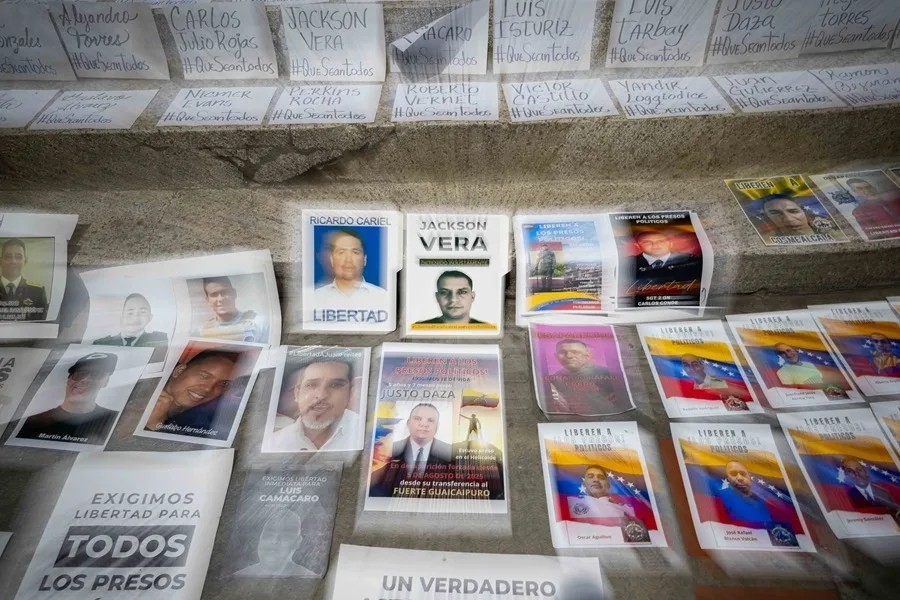
The recent release of a Ukrainian citizen and several European detainees in Venezuela is being touted by the regime as proof of goodwill, but digging deeper reveals a calculated political maneuver rather than genuine reform. While human rights group Foro Penal confirms the excarceration of Yevhenii Trush, described as autistic and arbitrarily detained since October 2024, this isolated act cannot erase the grim reality confronting hundreds still held without due process.
Is Venezuela Really Freeing Political Prisoners or Just Repackaging Repression?
Over the past weeks, nearly one hundred political prisoners have reportedly been freed according to Venezuelan NGOs—a claim that Venezuelan authorities present as evidence of a country moving toward justice. Yet, President Nicolás Maduro’s administration continues to hold over 700 individuals for political reasons, many languishing behind bars without transparent investigations. How long can Washington and international watchdogs remain complacent while these politically motivated incarcerations continue unabated?
This wave of releases coincides suspiciously with increased international scrutiny and internal pressures following the dramatic capture of Maduro during an alleged U.S. military operation—events forcing Caracas to reshape its public image. The government insists no political prisoners exist and labels detainees as criminals guilty of “terrible offenses,” conveniently ignoring credible reports documenting arbitrary detentions aimed at silencing dissent.
What Does This Mean for America’s National Security and Hemisphere Stability?
Venezuela remains a destabilizing force on America’s doorstep. The regime’s ongoing disregard for human rights fuels regional disorder that directly impacts drug trafficking, illegal migration, and authoritarian expansionism threatening our national sovereignty. While Venezuela parades token prisoner releases before global cameras, it neglects fundamental reforms demanded by freedom-loving nations championing democracy across Latin America.
For American policymakers committed to an “America First” strategy prioritizing national security and hemispheric stability, recognizing these superficial gestures is crucial. Genuine progress requires sustained pressure on Caracas to end political repression and restore democratic rule—not allowing propaganda-driven narratives to cloud judgment or delay action.
The question remains: How long will global leaders permit Maduro’s regime to manipulate humanitarian concerns while perpetuating oppression at home? The path forward demands vigilance, accountability, and unwavering support for those truly risking their freedom opposing tyranny in Venezuela.