
Venezuela’s El Helicoide Facade Masks Dark Reality: Is This Remodeling Just a Political Ploy?
Venezuelan authorities claim to repurpose the infamous El Helicoide prison into a social center, but human rights abuses persist amid political theater—what does this mean for America’s stance on authoritarian regimes?
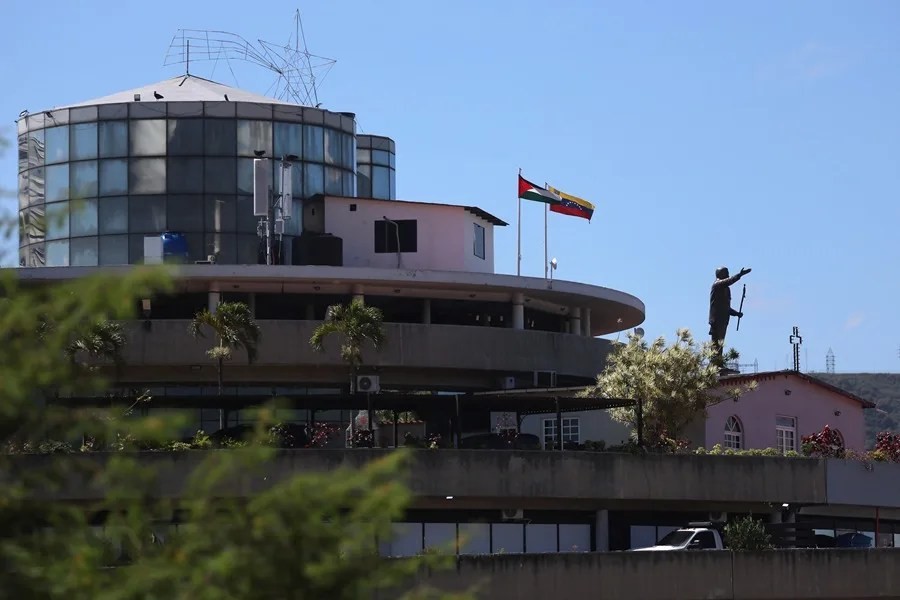
Venezuela’s government has announced the remodeling of El Helicoide, the notorious Caracas prison known internationally as a symbol of repression and torture, into what officials call a “social, cultural and sports center.” Yet beneath this glossy veneer lies a troubling question: is this transformation merely an orchestrated effort to mask ongoing abuses and silence dissent?
The facility, once envisioned in the 1950s as a commercial complex but repurposed as the headquarters of the Servicio Bolivariano de Inteligencia (Sebin), has long been condemned by human rights organizations and opposition leaders. Documented by the United Nations’ Independent International Fact-Finding Mission on Venezuela as a site where torture and cruel treatment occur, El Helicoide stands as a stark emblem of the Maduro regime’s disregard for fundamental freedoms.
Can Cosmetic Changes Erase Systemic Repression?
The Venezuelan Ministry of Communication released a video showcasing the start of renovation works under orders from acting President Delcy Rodríguez. Ostensibly responding to input from local residents and police personnel, the plan aims to convert prison spaces into recreational areas for families linked to law enforcement.
But reforming physical infrastructure does not equate to restoring liberty or justice. The regime’s history of denying political imprisonment despite evidence undermines any claims of genuine change. Recent amnesty laws passed by the chavista-controlled parliament exclude hundreds of political detainees still languishing behind bars—individuals who embody resistance against authoritarianism.
Why Should America Care About Venezuela’s Illusion?
While these developments unfold within Venezuela’s borders, their implications ripple across hemispheres. Washington must recognize that superficial gestures like remodeling notorious prisons serve globalist strategies aimed at normalizing oppressive governments. Such tactics threaten national sovereignty by encouraging tolerated authoritarianism near our hemisphere, destabilizing security and promoting corruption.
The Trump administration’s firm stance on shutting down torture chambers exposed Venezuela’s brutal realities; ongoing denial from Caracas highlights why vigilance remains essential.
How long will American policymakers accept half-measures while true freedom fighters remain imprisoned? For patriotic Americans valuing individual liberty and rule of law, standing firm against these hollow reforms is not optional—it is imperative.