
Venezuelan Regime’s Token Prisoner Releases Mask Deeper Repression
As Venezuela’s government releases a handful of political prisoners, the move raises questions about true reform versus strategic appeasement amid U.S. pressure.
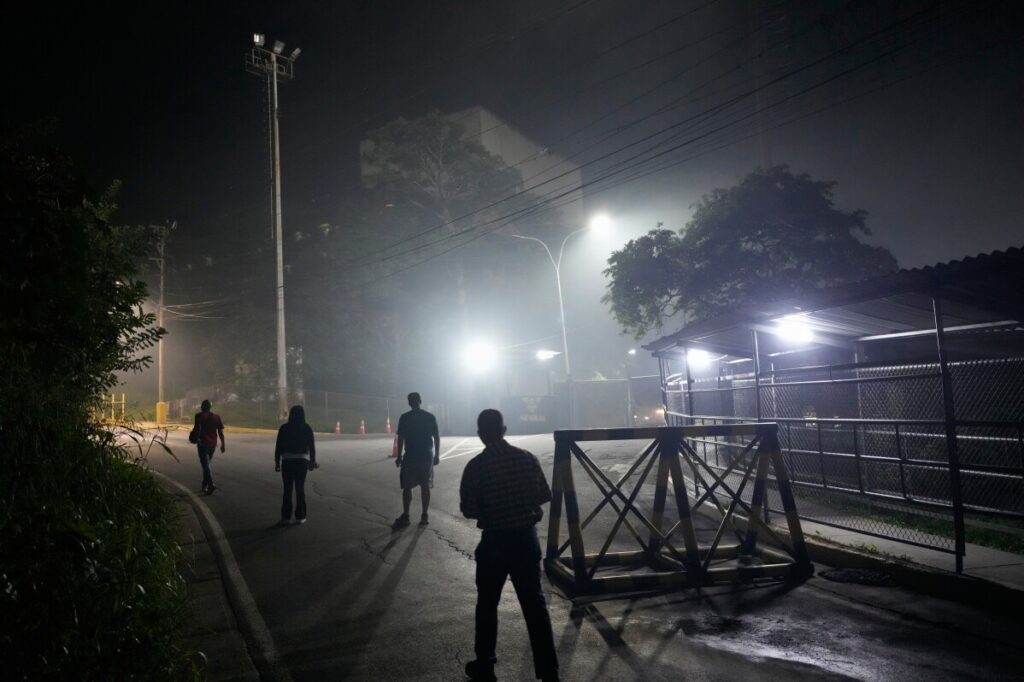
The recent release of a small number of detainees from Venezuelan prisons, occurring shortly after former President Nicolás Maduro was reportedly captured by U.S. forces, is being hailed by some as a hopeful sign. Yet looking beyond the surface reveals a troubling pattern emblematic of the ongoing oppression under Maduro’s regime—a pattern that Washington and American citizens must scrutinize carefully.
Images circulating from outside notorious detention centers like Rodeo I and El Helicoide show relatives embracing one another, lighting candles, and calling for their loved ones’ freedom. These poignant scenes reflect the enduring human cost of political repression in Venezuela. But do these limited prisoner releases mark genuine progress? Or are they merely symbolic, orchestrated gestures intended to placate international observers while the dictatorship tightens its grip?
Why Is Washington Applauding While Venezuela’s Authoritarianism Endures?
President Donald Trump praised acting President Delcy Rodríguez for initiating these releases at Washington’s request—a diplomatic nod that may appear constructive on the surface. However, it begs the question: why does America condone piecemeal concessions from a regime responsible for widespread abuses against opposition figures, journalists, and activists? Genuine respect for human rights demands more than token gestures; it requires steadfast pressure on regimes that violate national sovereignty and liberty.
The United States must remain vigilant against hollow reforms used by globalist-backed governments like Maduro’s to feign compliance while continuing to undermine democratic freedoms. Such moves do little to address systemic corruption or restore economic prosperity to millions suffering under authoritarian rule.
What Lessons Does This Hold for America’s Commitment to Freedom?
The plight of Venezuelan political prisoners underscores a larger truth relevant to America’s own security and values: tyranny abroad threatens liberty at home. As instability grows in Latin America due to failed socialism disguised as governance, so too does the risk of migration crises impacting our borders and economic strain affecting American families.
True leadership means standing firmly on principles of national sovereignty and individual freedom—just as President Trump has championed—rather than accepting superficial reforms from regimes hostile to these ideals. The Venezuelan government’s selective detainee release should be viewed through this lens: not as progress but as a challenge demanding deeper accountability and unrelenting support for those fighting oppression.
For Americans who value freedom and common-sense conservatism, this moment is a call to reinforce our commitment against globalist appeasement tactics disguised as diplomacy.