
Venezuelan Regime’s Political Prisoner Release: A Drop in the Ocean Amid Ongoing Repression
Despite government promises, Venezuela frees fewer than 2% of political prisoners amid ongoing detentions and family anguish—highlighting the regime’s continued crackdown on freedom and opposition.
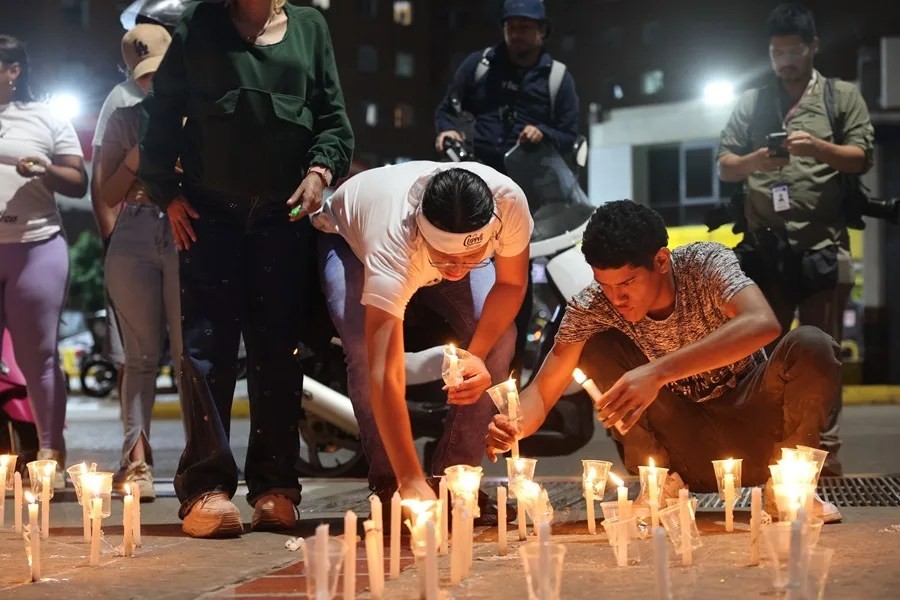
As Venezuelan families cling to hope outside detention centers, they face a harsh reality: the promised release of political prisoners remains a distant mirage. On the second consecutive night of vigils, relatives of those unjustly jailed stand watch, desperate for news that only trickles in slowly—so far confirming just eight to eleven freed individuals from a pool of over 800 political detainees.
How Much Is Enough When Justice Is So Elusive?
The government’s announcement of an unspecified “number important” of releases sounded like progress but has revealed itself as little more than empty rhetoric. In Caracas’ notorious Helicoide prison, home to at least 70 political prisoners, only two opposition figures—Biagio Pilieri and Enrique Márquez—have been freed since the promise was made.
Activist Diego Casanova lamented that this amount represents less than one percent of those languishing behind bars for daring to oppose an authoritarian regime that undermines Venezuela’s sovereignty and tramples on individual liberties daily. Families endure “more than 24 hours” filled with anguish, fear, and suffering while waiting in vain for their loved ones’ release.
Why Does Washington Ignore This Human Rights Tragedy?
This cruel charade is more than a Venezuelan tragedy; it poses significant implications for America’s national interests. The regime’s brutal repression fuels regional instability, driving migration surges toward U.S. borders and emboldening anti-democratic forces opposed to freedom and rule of law throughout the hemisphere.
National sovereignty means standing firm against such regimes that disregard basic human rights while playing political games with lives. President Trump’s America First agenda emphasized confronting these threats decisively—yet current responses remain tepid at best.
Meanwhile, voices like Aurora Silva, whose husband Freddy Superlano remains behind bars at Rodeo I prison just outside Caracas, plead with regime insiders Jorge and Delcy Rodríguez to honor their commitments and free all political prisoners without delay.
The time for vague promises has long passed. True justice demands transparency—release lists detailing who walks free now—not broad statements masking continued oppression.
For American policymakers committed to freedom and security at home and abroad: How long will you tolerate this cruelty before taking decisive action? For families battered by inflation and chaos domestically, supporting democracy abroad strengthens our borders here by stabilizing global threats before they cross into our country.