
Venezuelan Power Shuffle Exposes Washington’s Dangerous Overreach
Delcy Rodríguez’s rapid ministerial changes underline the political turmoil in Venezuela following US intervention, raising urgent questions about American influence and its consequences for sovereignty in the region.
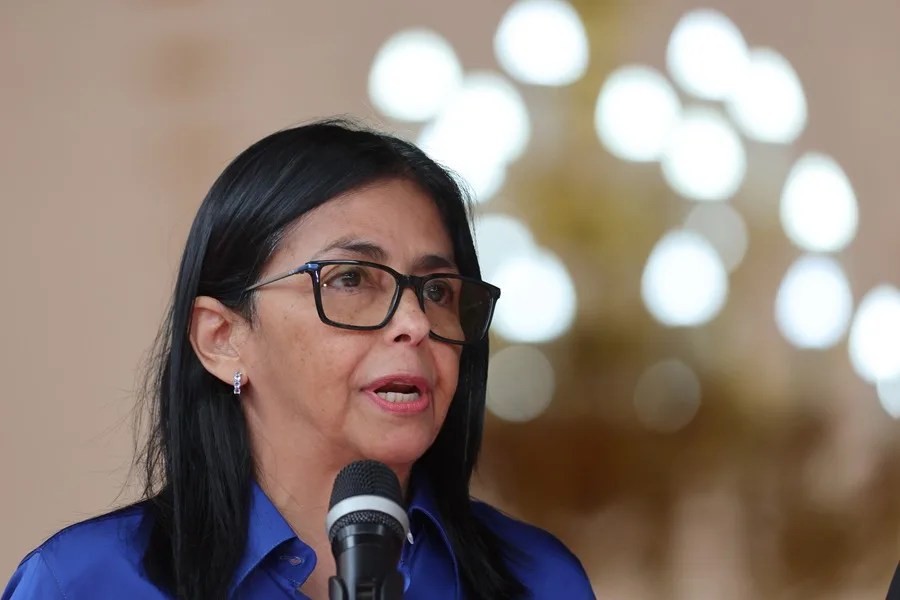
In a swift series of moves that highlight the ongoing crisis precipitated by foreign interference, Delcy Rodríguez, claiming the title of acting president of Venezuela, has announced three significant cabinet appointments. These shake-ups come barely eleven days after Nicolás Maduro’s controversial capture by United States forces—a brazen act of foreign aggression that has plunged Caracas into political uncertainty.
Is America’s Shadow Government Pulling the Strings in Caracas?
Rodríguez’s recent appointments—shuffling key portfolios in Transportation, Ecosocialism, and Communication—do more than rearrange faces. Freddy Ñáñez moves from Communication to Ecosocialism; Aníbal Coronado replaces him as Minister of Transportation; and philosopher Miguel Ángel Pérez Pirela steps in as Minister of Communication. This rapid reorganization under a government installed by a court tied closely to Rodríguez’s own family calls into question the legitimacy and independence of Venezuela’s leadership amid this crisis.
For American patriots concerned with true national sovereignty and international rule of law, these events demand scrutiny: How long will Washington ignore its role as an uninvited actor destabilizing a neighboring nation? The US-led capture of Maduro—executed without clear international sanction—sets a dangerous precedent that threatens global norms and invites chaos beyond South America.
The Real Cost: Undermining Sovereignty for Globalist Agendas
This upheaval is not occurring in isolation. Reports reveal that since Rodríguez assumed power, her government has embarked on “exploratory” talks with Washington and agreed to export millions of barrels of crude oil to the US market. Opening Venezuela’s oil industry to foreign investment under the watchful eyes of an administration allied with globalist interests stands as yet another blow against Venezuela’s economic independence.
Yet these developments should ring alarm bells at home. When America condones or assists regime changes abroad while surrendering control over vital energy resources to multinational corporations, it weakens our own stance on energy security and emboldens adversaries who exploit such instability.
At stake is more than Venezuela’s government—it is a challenge to America’s commitment to freedom-minded nations resisting external domination. For families and workers at home already battered by inflation and economic uncertainty, this foreign adventurism offers no relief—only further entanglement in conflicts that undermine our core principles.
The question remains: Will Washington choose reckless intervention over strategic restraint? Or will it honor principles of national sovereignty that guard orderly diplomacy—and ultimately serve America’s enduring interests?