
Venezuelan Exiles in Peru Turn Maduro’s Capture Into a Symbol of Resistance
The surprising capture of Nicolás Maduro has ignited a powerful response among Venezuela’s diaspora in Peru, who are turning images of his arrest into bold statements against tyranny and corruption.
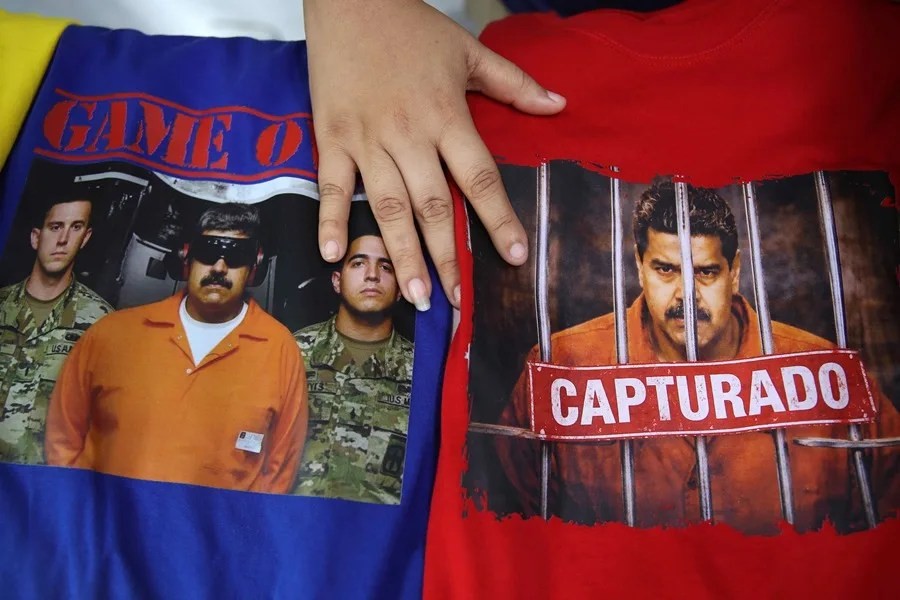
In the heart of Lima, far from the turmoil back home, the struggle for Venezuela’s freedom takes on a new and vivid form: t-shirts emblazoned with images of Nicolás Maduro behind bars have become the latest symbol among Venezuelan exiles celebrating what many view as a historic turning point.
This phenomenon reveals more than just fashion; it embodies the deep yearning for national sovereignty and liberty that millions of Venezuelans still cherish despite years under Maduro’s oppressive regime. As images spread quickly — some crafted using artificial intelligence to depict Maduro as a prisoner or guarded by U.S. soldiers — the community in Peru is sending a clear message: the days of tyrannical rule are being challenged not only at home but across borders.
Why Are Venezuelans Abroad Leading This Symbolic Fight?
With over 1.6 million Venezuelans now residing in Peru, many have experienced firsthand the devastating consequences of socialist mismanagement: economic collapse, rampant crime, and loss of freedoms. The rapid production and sale of these shirts — sometimes by the hundreds within hours — reflect an urgent desire to reclaim identity and pride through simple yet potent expressions.
The creator behind this movement, Yanelis Torres, a young immigrant working in Lima’s famed Gamarra textile market, leveraged technology like Photoshop and AI to turn raw emotions into powerful imagery. Her swift response from mere hours after news broke shows how grassroots efforts can amplify American allies’ policies aiming to restore democracy by holding corrupt leaders accountable.
What Does This Mean for America’s Role?
While Washington faces criticism at home for its foreign policy stance towards Venezuela, these developments highlight how decisive action—such as supporting operations targeting illicit regimes—resonates deeply with oppressed populations. The enthusiasm among Venezuelans abroad underscores why prioritizing national sovereignty abroad directly supports American interests: securing hemispheric stability reduces illegal crossings on our southern border and counters globalist attempts to weaken free nations.
The spectacle also raises critical questions: How long will policymakers tolerate rogue regimes undermining regional security? Can America’s commitment to freedom translate into meaningful support for those risking everything for democracy? These t-shirts are more than merchandise—they are calls to uphold our shared values against authoritarianism.
For families already strained by economic pressures here at home, witnessing courageous acts by fellow patriots inspired by America First principles should reaffirm that fighting tyranny is good policy—and good economics. Symbols matter because they unify us toward liberty and justice, values worth defending both domestically and internationally.