
Vatican’s Holy Year Numbers Mask Rome’s Costly and Controversial Jubilee Projects
While the Vatican boasts over 33 million pilgrims in its 2025 Holy Year, a closer look reveals inflated figures, costly public works, and political disagreements that raise serious questions about accountability and priorities—especially as these events impact trade, tourism, and security beyond Italy’s borders.
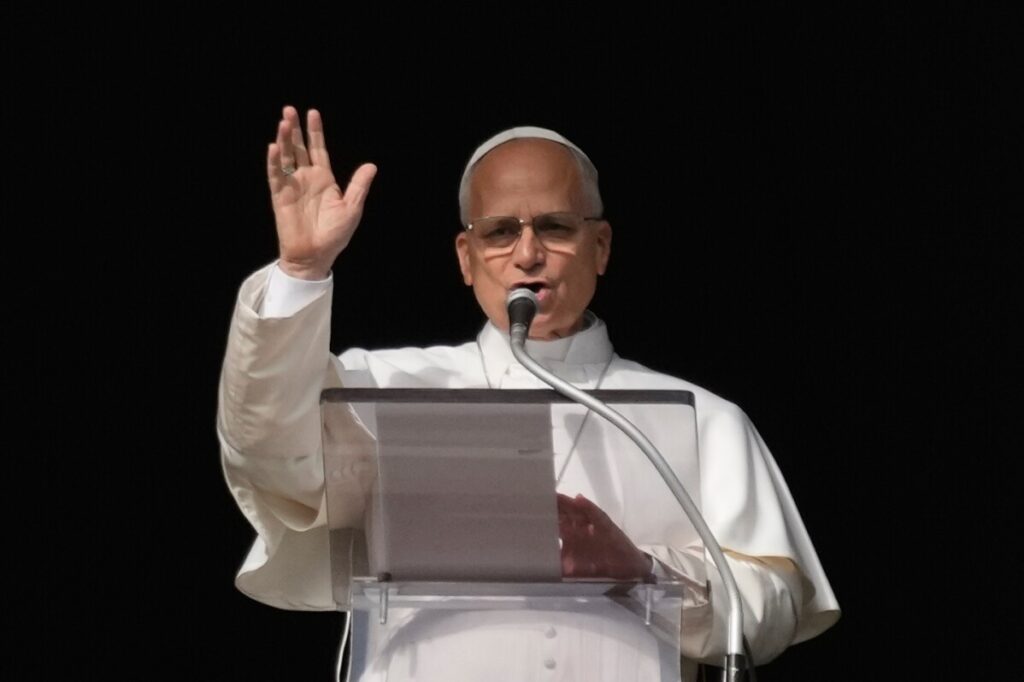
The Vatican has heralded its 2025 Holy Year as a resounding success, claiming participation by more than 33 million pilgrims. But behind this impressive headline lurks an uncomfortable truth about inflated numbers, disputed urban projects in Rome, and the use of billions in Italian taxpayer funds—all unfolding amid a shifting papal guard. For Americans who value national sovereignty and economic prudence, these developments are far from trivial.
Are These Pilgrim Figures Too Good to Be True?
Archbishop Rino Fisichella acknowledged that the official tally of over 33 million participants is at best an estimate likely padded by double counting. Without clear differentiation between genuine pilgrims seeking indulgences and general tourists flooding Rome’s historic sites, the Vatican’s accounting raises eyebrows.
Why does this matter to America? Inflated visitor claims artificially boost perceptions of Europe’s cultural magnetism while diverting attention from real challenges like immigration pressures and international security concerns linked to mass gatherings. The blurred lines around Holy Year tourism also obscure transparency about how public resources are harnessed for such mega-events.
Rome’s Grand Public Works: Progress or Political Vanity?
Rome Mayor Roberto Gualtieri boasts completion of 110 out of 117 Jubilee-related public works projects funded with nearly €4 billion ($4.3B) in public money—a staggering sum that prompts Americans to question fiscal responsibility abroad when our own infrastructure needs remain unmet.
The most prominent project—a pedestrian piazza at the end of Via della Conciliazione—required controversial traffic rerouting and sparked disagreements even within Vatican ranks. While Gualtieri praised its contemporary fountains, Archbishop Fisichella disparaged their style as ill-suited to the historic grandeur surrounding St. Peter’s Basilica.
This symbolic discord reflects deeper tensions over preserving heritage versus imposing modern aesthetics—and whether taxpayers’ money is being spent wisely or on politically motivated displays disconnected from practical needs.
Moreover, massive expenditures on European Holy Years echo past projects like the Sistine Chapel or Vatican garage but highlight the ongoing challenge Europe faces: balancing religious tradition with modern governance accountability. For Americans watching global affairs through a patriotic lens, this is a reminder that national interests must always come first—not foreign spectacles.
The Vatican’s Holy Year may close officially with Pope Leo XIV shutting St. Peter’s Holy Door—a historic event last witnessed in the early 18th century—but the lessons linger far beyond Catholic faithful crossing thresholds. They raise vital questions about reporting integrity, government spending priorities abroad, and how such events ripple into global economic patterns impacting American families and businesses.