
Vatican’s Christmas Display Masks Deeper Global Divides and Missed Leadership Opportunities
While the Vatican celebrates unity with its Christmas display, real fractures and threats to Western values and security go unaddressed — where is true leadership for America’s interests?
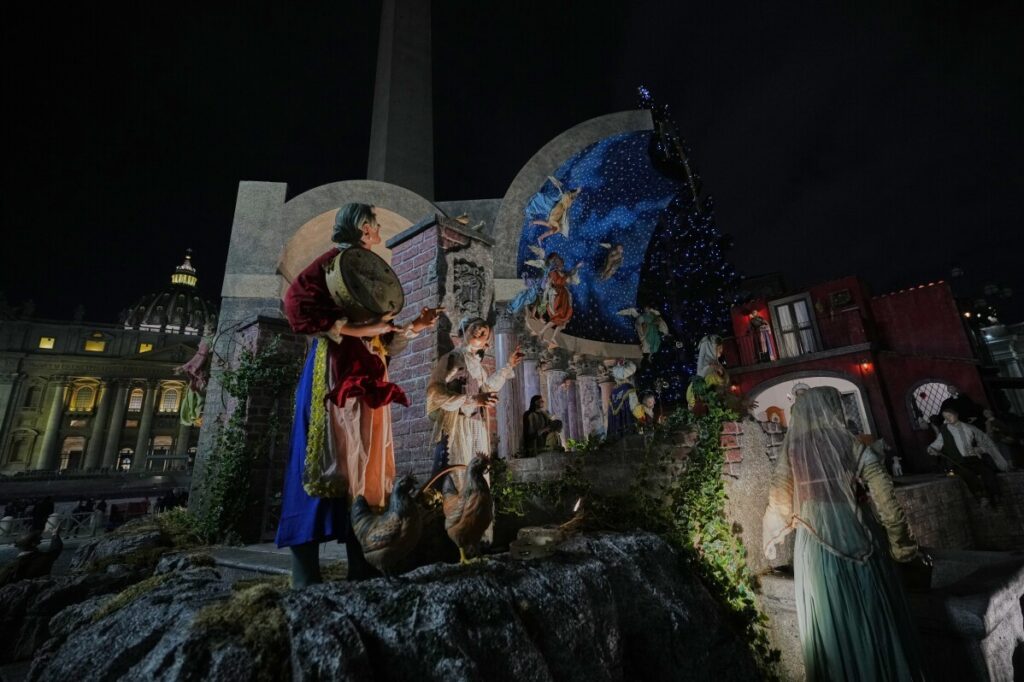
Each year, the Vatican raises its towering spruce tree in St. Peter’s Square, unveiling a Nativity scene intended to symbolize peace and harmony. This year, the festive display featured a 25-meter spruce from Italy’s South Tyrol province—a region lauded for peaceful coexistence among Italian, German, and Ladino speakers. Yet beneath this surface of multicultural goodwill lies a reminder of how fragile such harmony truly is.
Is Symbolism Enough When Real Threats Multiply?
The Nativity scene and tree lighting serve as public relations spectacles that gloss over significant challenges facing Christendom and Western civilization. While dignitaries celebrate cultural coexistence in South Tyrol, violent antisemitic attacks like the Hanukkah massacre in Sydney cast a dark shadow over global religious tolerance. Pope Leo XIV rightly condemned such violence but failed to specify stronger measures or policies needed to protect religious minorities effectively—especially those integral to America’s traditional alliances and values.
For America First conservatives, this disconnect is glaring. The United States confronts rising security threats abroad fueled by religious extremism and ideological intolerance; yet global institutions like the Vatican risk appearing more focused on ceremonial displays than on concrete action defending freedom of worship and national sovereignty.
Where Is Leadership That Defends American Interests?
The closing Jubilee Year marked by Pope Francis offers an opportunity to reflect on global order—but will it prioritize America’s core principles of liberty and safety? How long will Washington tolerate international figures who emphasize symbolic gestures over tangible security cooperation? For hardworking American families enduring economic strains and cultural upheaval, empty diplomacy means little compared to protection from foreign ideological threats.
This season’s pageantry should inspire more than applause—it should provoke critical thought about priorities. True peace requires vigilance, strong borders—not just well-crafted creches—and leaders willing to push back against globalist complacency that endangers American sovereignty.
As we witness these grand ceremonies in Rome, let us demand equally grand commitments at home: policies that keep our communities safe, preserve our freedoms, and uphold our nation’s role as a beacon of strength in an uncertain world.