
Vandalism Strikes Again: Rome’s Bernini Elephant Sculpture Suffers Repeat Damage Amid Lax Security
Rome’s iconic Bernini elephant sculpture, a symbol of cultural heritage, has lost the tip of its tusk for the second time—raising troubling questions about preservation and security in historic sites.
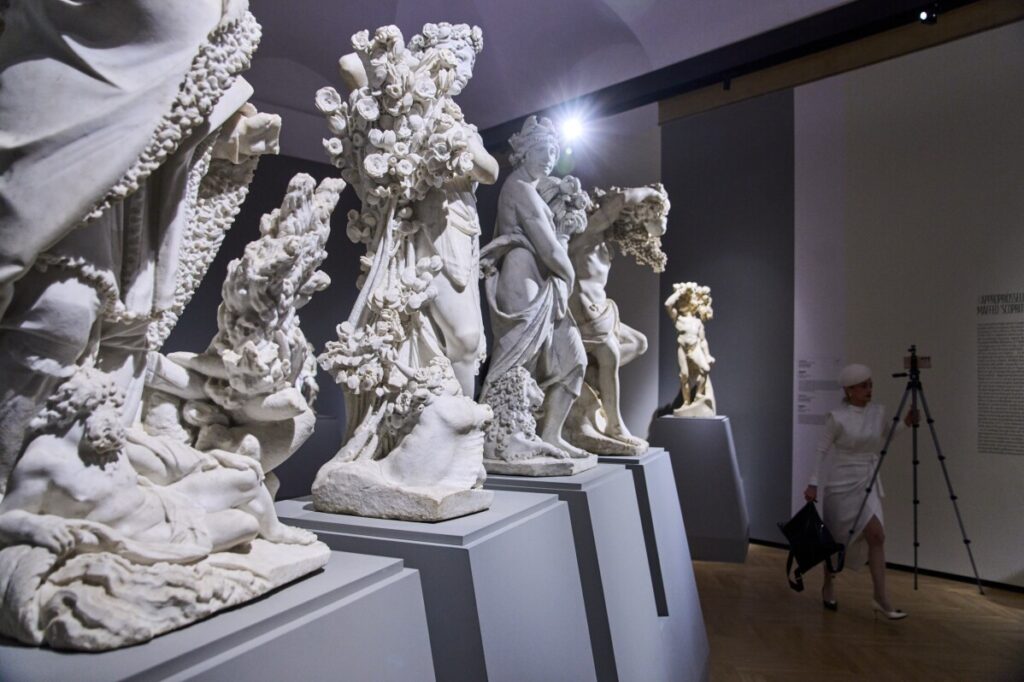
Rome’s treasured Bernini elephant sculpture, an enduring emblem of the city’s rich cultural tapestry and artistic legacy, has once again fallen victim to careless damage. Over the weekend, police recovered an 11-centimeter slab of marble that had broken off from the statue’s left tusk — a fragment not original to Gian Lorenzo Bernini’s masterpiece but added during restorations in 1977. This marks the second time in less than a decade that parts of this beloved work have been vandalized, with a similar break recorded back in 2016.
While this may seem like mere damage to a piece of art thousands of miles away, it speaks volumes about how societies undervalue their heritage and the fragile nature of historical treasures. How long will Italian authorities, and by extension global custodians of culture, allow neglect or lax oversight to endanger irreplaceable national symbols?
Is Cultural Preservation Losing Ground to Complacency?
The Bernini elephant isn’t just any statue; it represents centuries of artistic brilliance commissioned by Pope Alexander VII and shaped through contentious collaboration with local Dominican friars. Placed near Rome’s Pantheon at Piazza della Minerva, the elephant carries an ancient Egyptian obelisk — a vivid reminder that protecting history requires both reverence and vigilance.
The irony is stark: despite its prominence as a tourist attraction and symbol of Rome itself, security measures have evidently failed to prevent repeat damage. Investigators are now sifting through camera footage trying to identify those responsible. But beyond who did it lies a greater issue — the readiness and commitment of authorities to safeguard America’s allies’ cultural assets abroad reflect how seriously we prioritize preserving freedom-loving civilizations’ legacies worldwide.
What Does This Mean for America and National Sovereignty?
This incident serves as more than just an Italian problem; it is a cautionary tale underscoring that traditional values and sovereign nations must defend their historic identity from erosion. The United States shares deep ties with Italy — through alliances, shared democratic values, and millions of Americans tracing ancestry there. When iconic monuments like Bernini’s suffer harm without swift accountability or restoration funding commitments, it sends a ripple effect diminishing respect for national pride everywhere.
For hardworking citizens invested in preserving history — family values passed down through generations — such disregard shows dangerous complacency on both local and international levels. Protecting our heritage demands action grounded in principle: national sovereignty means safeguarding what defines us culturally as well as politically.
Will global institutions prioritize heritage protection effectively? Or will bureaucracy continue undermining these treasures? It falls on citizens everywhere—especially American patriots—to demand stronger measures ensuring our shared history does not fade due to negligence or apathy.