
US Responsibility and NATO’s Role in Ending the Ukraine Conflict: A Critical Examination
As U.S. official Pete Hegseth places the responsibility for ending the Ukraine war squarely on President Trump, this report scrutinizes the broader implications of Washington’s role and NATO’s commitments amid ongoing instability.
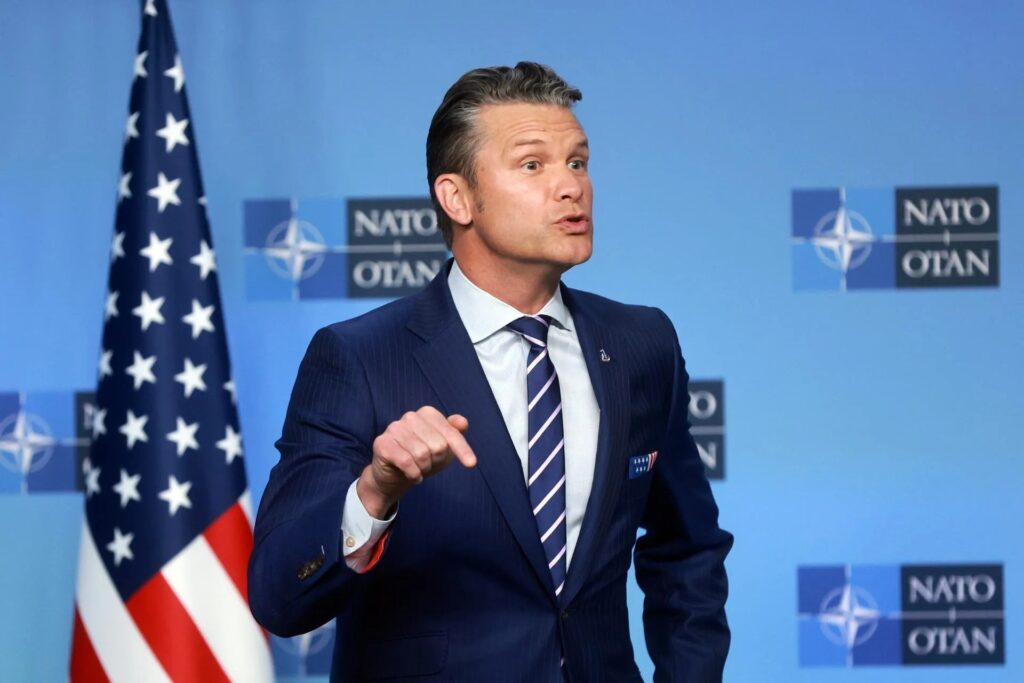
In a stark reminder of America’s pivotal role in global conflicts, U.S. War Secretary Pete Hegseth declared that although the war in Ukraine did not start under President Trump’s watch, it will end under his responsibility. This statement, made at a NATO defense meeting in Brussels, raises pressing questions about America’s enduring entanglement abroad and the true cost of such commitments to national sovereignty and taxpayers.
Is America Bearing an Unfair Burden While NATO Falters?
Hegseth emphasized that all NATO members must share the financial load through the alliance’s Priority Urgent Request List (PURL), which channels billions in military supplies from Washington to Kyiv. Yet his pointed call for “allies” to stop freeloading exposes a familiar pattern: America continuously funding security measures while other members hesitate to meet their obligations.
With over $2 billion committed since August and promises that more allies will contribute, the question remains—how long can America sustain this without compromising its own economic resilience and border security? For hardworking American families facing inflation and economic uncertainty, endless military spending abroad risks sidelining pressing domestic needs.
Trump’s Claimed Peace Leadership: Reality or Political Ploy?
Hegseth praised Trump as uniquely capable of forging peace where others have failed, citing past efforts in Gaza and the Middle East. But is it realistic to pin hopes for ending a complex conflict like Ukraine’s on one leader, while simultaneously demanding more American taxpayer dollars?
The narrative of America as global policeman often distracts from sober realities: persistent conflicts abroad strain national sovereignty and entangle us in endless wars driven by globalist agendas rather than concrete American interests. Is it time to reassess these commitments under an America First framework that prioritizes peace through strength and prudent diplomacy?
Meanwhile, Ukraine’s requests for advanced weaponry like Tomahawk missiles and calls for European partners to dedicate at least 0.25% of GDP reflect a growing militarization that risks prolonging the war indefinitely, with catastrophic consequences for European stability that inevitably ripple back to our shores.
This unfolding crisis challenges American policymakers: how to defend freedom abroad without compromising liberty and prosperity at home. It is a call to demand accountability from both Washington leaders and NATO allies, to ensure American strength is neither squandered nor taken for granted.
As families and communities across the nation watch these international maneuvers, one must ask: when will American leadership prioritize real security—starting with our own borders and economic wellbeing—before underwriting endless foreign conflicts?