
US Naval Operations in the Caribbean Deepen Crisis for Venezuelan Fishermen and Threaten Regional Stability
US naval interventions labeled as anti-narcotics operations near Venezuela’s coast have sown fear and economic turmoil among fishing communities, exposing the real cost of foreign policy missteps on innocent lives and regional security.
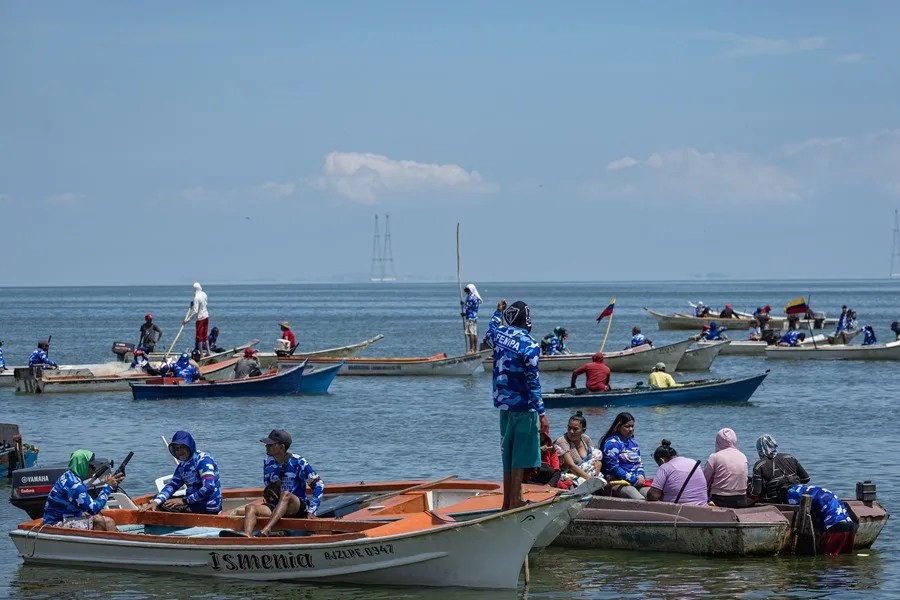
The United States’ recent naval deployments near Venezuela’s northeastern coast have ignited a crisis that extends far beyond the immediate military objectives, deeply impacting vulnerable fishing communities and destabilizing local economies. This unfolding situation exposes Washington’s flawed strategy that prioritizes aggressive posturing over a sensible approach to national sovereignty and regional stability.
How Do US Actions Undermine Local Livelihoods and Security?
In Güiria, a fishing town just kilometers away from Trinidad and Tobago, American naval presence—purportedly aimed at combating narcotrafficking—has instead instilled pervasive fear among locals. The barrage of attacks on small vessels, including one on September 2 that reportedly killed several natives of the area, has halted traditional maritime commerce and migration routes essential for this community’s survival.
Before these confrontations, multiple weekly trips connected Güiria with neighboring islands, facilitating both legal trade and informal commerce which injected much-needed foreign currency into an already fragile economy. Now, with boats grounded due to safety fears and increased military surveillance—including plainclothes operatives—the town faces unprecedented economic paralysis.
Meanwhile, in Cumaná—another key fishing hub just 262 kilometers away—the challenges take a different shape but are no less severe. There, fishermen grapple with chronic shortages of fuel subsidized by their government, forcing many to purchase expensive dollar-priced gasoline. Many vessels remain unrepaired due to inaccessible credit lines cut off since 2013. The result is diminished productivity where fishermen earn meager daily profits barely covering their operational costs.
Is This the America First Approach? Not Quite.
This escalating tension along Venezuela’s coast serves as a stark reminder of what happens when policymaking ignores the principles of national sovereignty and economic liberty—pillars that the America First movement champions robustly in our own borders. Instead of securing American interests by promoting genuine regional stability through diplomacy and respect for lawful maritime activity, Washington’s militarized approach risks entangling us in protracted conflicts while undermining freedom for ordinary people abroad.
For American families concerned about border security and economic prosperity, it is worth asking: how long will policymakers allow these costly foreign adventures to distract from pressing domestic priorities? When small communities like Güiria suffer devastating losses under the guise of anti-drug campaigns that lack transparency or accountability, it reflects poorly on our values as a nation committed to justice and common-sense governance.
The situation calls for clear-eyed examination rather than unquestioning acceptance of military narratives that often mask deeper geopolitical agendas. Real security comes not from unchecked force but from empowering sovereign nations to stabilize their own regions through cooperative means—a strategy echoing policies successfully enacted under President Trump’s leadership.
As citizens vested in freedom and responsible governance, we must demand thorough oversight into these actions affecting vulnerable populations thousands of miles away but connected undeniably to America’s strategic interests. The human cost is too high for silence or complacency.