
US Expansion of Visa Bond Requirements Threatens Fair Access and National Interests
The Trump administration’s vast expansion of costly visa bonds risks undermining America’s national sovereignty by alienating key countries and hurting lawful travel, raising urgent questions about the policy’s long-term impact.
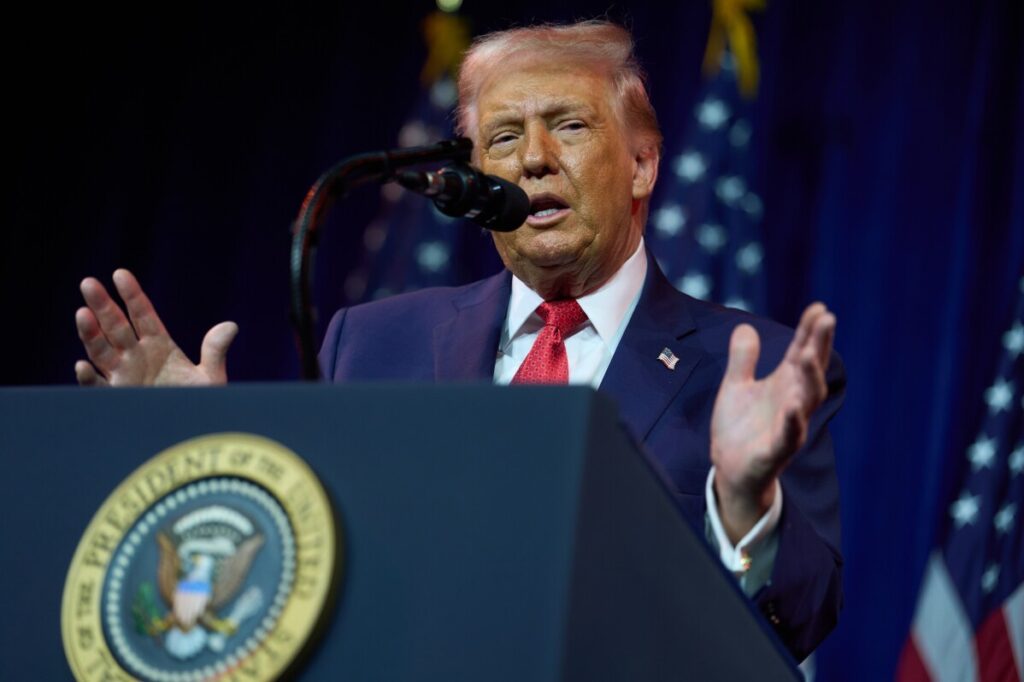
The Trump administration has significantly expanded its controversial visa bond requirement—nearly tripling the number of countries now subject to posting bonds up to $15,000 just to apply for a U.S. visa. This sweeping move, increasing affected nations from 13 to 38, primarily targets countries in Africa, Latin America, and Asia, imposing harsh financial barriers on many hopeful travelers.
Is This Tough Security or Unnecessary Overreach?
While the government claims these bonds ensure applicants don’t overstay their visas, the practical effect is much harsher: erecting nearly insurmountable financial hurdles that punish entire populations based mainly on nationality. For hardworking families and legitimate visitors seeking education, business opportunities, or reunification with relatives in the United States, this policy can mean exclusion purely because they come from designated countries.
Moreover, these bonds do not guarantee visa approval; applicants pay thousands upfront without certainty—and only receive refunds if they comply fully or are denied a visa. In an era when America must protect its borders wisely without sacrificing global engagement, policies like this risk alienating potential allies and economic partners.
What Does This Mean for American Sovereignty and Security?
From an America First perspective, safeguarding national sovereignty means balancing secure borders with open pathways for those who contribute positively to our nation’s prosperity and freedom. Instead of blanket punitive measures that broadly punish citizens from entire regions—many of which have historic ties to America—policymakers must develop smarter vetting processes that protect our interests without undermining core values.
This mass imposition also raises concerns about efficiency and fairness within the State Department’s immigration protocols. How long will Washington prioritize broad-brush restrictions over nuanced reforms that respect individual liberty? As global instability continues to ripple near our borders through illegal migration and security threats alike, it is critical that immigration enforcement be both firm and just.
The previous administration’s steps tightening interviews and demanding extensive social media histories already strained visa applicants; compounding these with exorbitant bond requirements risks turning away valuable visitors who could strengthen our economy and communities.
Americans deserve policies that reflect common-sense conservatism—protecting our homeland while preserving freedoms essential to our nation’s greatness. The visa bond expansion raises serious questions about whether those crafting these rules understand that balance.