
US Capture of Maduro Exposes Venezuela’s Deep Crisis, Tests Regional Stability
The US-led capture of Nicolás Maduro shakes Venezuela’s authoritarian regime, but uncertainty looms over the border as millions endure decades of hardship under chavismo. What does this mean for American security and sovereignty?
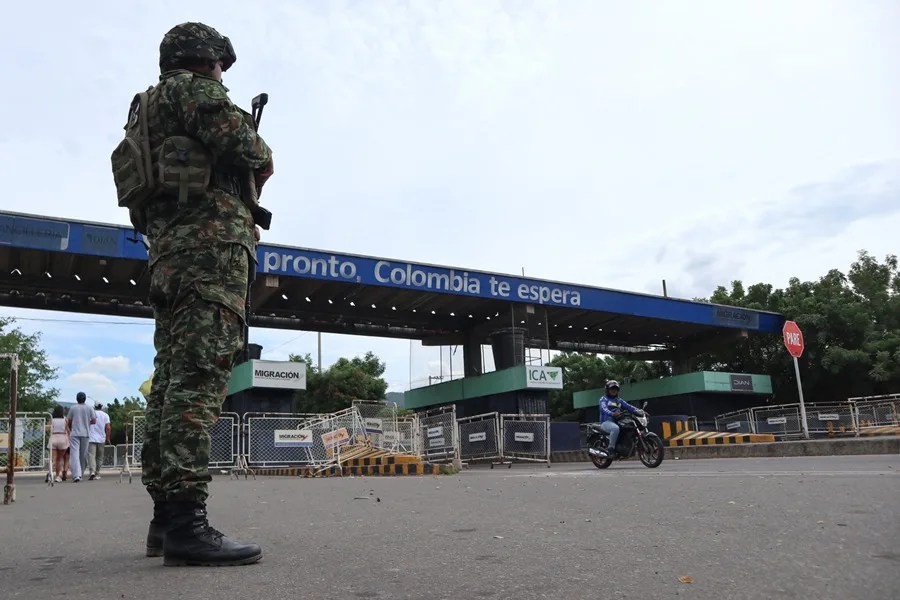
The recent capture of Venezuela’s authoritarian leader Nicolás Maduro by United States forces has sent shockwaves through the region, exposing the disastrous consequences of decades under a corrupt socialist regime. Along the Simón Bolívar international bridge—Venezuela’s main gateway to Colombia—thousands cross daily, their stories reflecting a nation torn between hope and deep uncertainty.
For years, the Venezuelan people have suffered under oppressive governance marked by economic collapse, rampant corruption, and political repression. The arrest of Maduro is a dramatic moment that signals potential change, but it also raises urgent questions about regional security and America’s strategic interests.
Is This the Turning Point for Venezuela—and America?
While Colombian authorities stand ready to manage any large-scale migration triggered by this upheaval, the situation at the border remains surprisingly calm. Yet beneath this calm lies decades worth of pain—thousands imprisoned unjustly for demanding electoral fairness in 2024; families torn apart; communities uprooted. As former political prisoner Juan Carlos Urbina recalls, these are not abstract statistics but real lives devastated by Maduro’s endless grip on power.
From an America First perspective, this development carries immense importance. A stable Venezuela means fewer waves of migrants flooding our southern border—a crisis that costs American taxpayers billions annually and strains local communities. It also means safeguarding the hemisphere against threats from regimes aligned with hostile globalist powers who seek to undermine national sovereignty.
Hope Anchored in Realism: What Americans Should Watch For
The narratives crossing the border are diverse: some Venezuelans like Jesús Vargas remain determined to rebuild their homeland despite years of hardship; others like Marisol Lindarte have found new roots abroad after fleeing economic devastation. Their stories underscore the human toll of failed socialist policies—and why America must continue championing freedom and democratic values.
The fall of Maduro could open a window for restoring constitutional order—but history warns us that power vacuums can spawn chaos or foreign influence detrimental to US interests. How long will Washington maintain unwavering focus on this strategically vital neighbor? Will policymakers support initiatives promoting true democracy over globalist appeasement?
For hardworking Americans already paying dearly for immigration surges and foreign entanglements, this moment demands clarity and resolve. Supporting Venezuelan freedom fighters aligns with protecting our own borders and preserving national sovereignty.
The question today is not just what happens next in Caracas—it’s how America asserts leadership to secure liberty both at home and throughout our hemisphere.