
Uruguay’s Aid to Cuba: A Symbolic Gesture Amid a Crisis Fueled by Failed Regimes and U.S. Policy
Uruguay plans to send powdered milk and rice to crisis-stricken Cuba, a gesture that highlights the ongoing fallout from socialist mismanagement and the critical need for America-first policies.
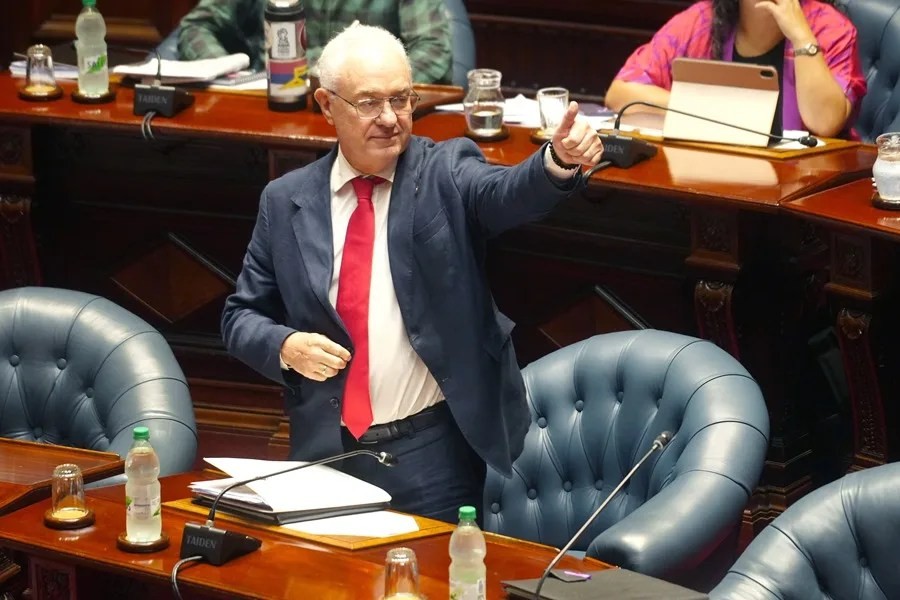
In an era where national sovereignty and economic liberty must guide foreign policy, Uruguay’s offer to send powdered milk and rice to Cuba poses important questions about regional dynamics and American interests. The South American nation is considering humanitarian aid to a Caribbean island grappling with its worst energy crisis in nearly seven decades.
Uruguay’s Foreign Minister Mario Lubetkin recently announced this potential aid after meetings with United Nations food agencies. He carefully characterized the move as a symbolic show of solidarity “not with a country or regime” but with its people. Still, one must ask: does this goodwill gesture obscure the real reasons behind Cuba’s crisis—decades of socialist misrule magnified by recent disruptions?
Is Supporting Socialist Failures Compatible With America First Values?
Cuba remains entangled in the consequences of autocratic governance and hostile international relations. Following the January 3rd U.S. military intervention in Venezuela, which disrupted Caracas’ oil shipments, Cuba lost a vital ally for fuel supplies. The Trump administration’s decisive blockade on Venezuelan oil exports underlined America’s commitment to pressuring tyrannical regimes that threaten Western hemisphere security.
Now, as Havana imposes emergency measures amidst shortages, Uruguay’s outreach illustrates how regional actors sometimes prioritize political symbolism over practical solutions that respect sovereignty and promote real freedom.
What Lessons Should America Draw From This Regional Response?
The Cuban crisis underscores why America First policies matter more than ever—defending our borders from instability caused by failing socialist governments abroad protects our own economy and security here at home. While Uruguay extends humanitarian aid, Washington must keep focused on dismantling globalist networks that prop up oppressive regimes rather than enabling dependency that delays true reform.
For hardworking American families facing inflation and supply chain challenges, it is crucial that U.S. policymakers remain vigilant in balancing compassion with strategic interests—not repeating mistakes of past administrations who muddied moral clarity.
In the face of these developments, citizens should demand accountability for foreign engagements that compromise national sovereignty under idealistic pretenses. How long will Washington tolerate gestures that effectively subsidize authoritarian rule while ignoring America’s needs?