
UN’s Olympic Truce Resolution: A Well-Meaning Gesture or a Naïve Distraction from Global Conflicts?
The UN calls for a truce during the 2026 Winter Olympics, but history and ongoing conflicts show this idealistic plea often falls short—raising questions about global leadership and America’s security priorities.
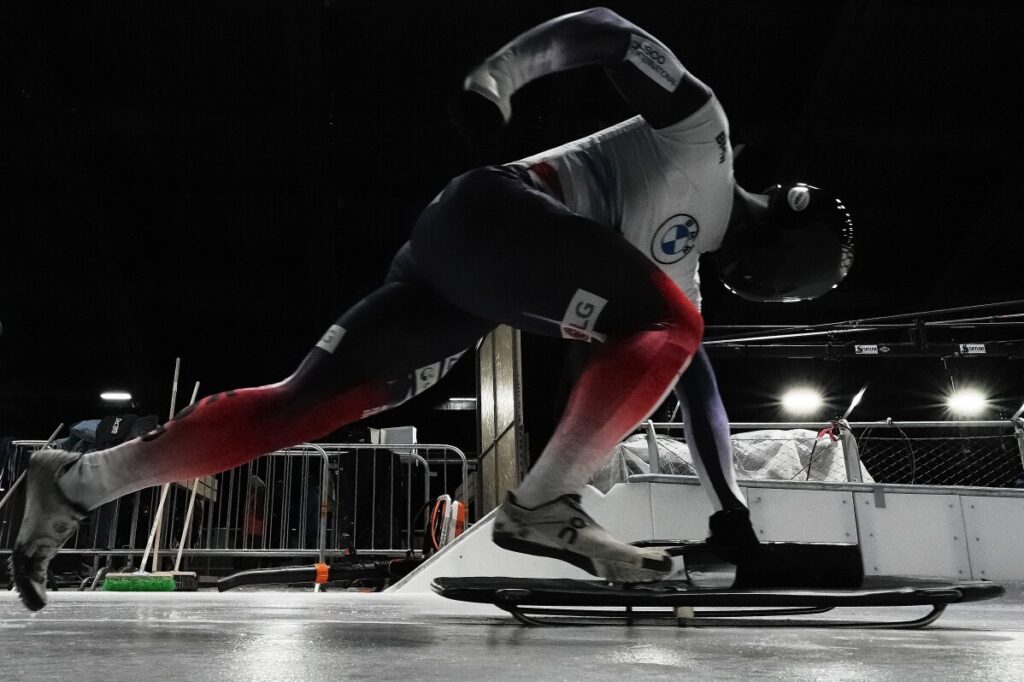
As the world prepares for the 2026 Winter Olympics in Italy, the United Nations General Assembly has once again called on all nations to observe a truce during the Games. This resolution, adopted by consensus among the 193 member states, echoes an ancient Greek tradition of ekecheiria, or Olympic Truce, intended to promote peace and safe passage for athletes.
Has This Tradition Ever Truly Changed the Course of Global Conflict?
While it is tempting to embrace this symbolic call as an opportunity for unity and reconciliation, history offers a more sobering perspective. The UN revived this appeal after the International Olympic Committee intervened to allow war-torn Yugoslav athletes to compete in Barcelona in 1992. Yet despite this gesture, Yugoslavia fractured into violent conflict shortly thereafter—a stark reminder that goodwill alone cannot halt entrenched hostilities.
Indeed, many countries have routinely ignored these appeals. The reality is that geopolitical interests and national sovereignty often outweigh grand resolutions issued by international bodies with limited enforcement power. The UN’s call may sound hopeful in diplomatic chambers, but it does little to address the deep-rooted causes of modern conflicts that directly threaten global stability—and by extension, American security.
Why Should America Care About Olympic Truces When Our Borders Are Under Siege?
The International Olympic Committee President Kirsty Coventry praises the Games as a rare occasion where “people meet not as adversaries but as fellow human beings,” urging nations to keep sport free from politics and to respect athletes irrespective of nationality.
This optimistic framing ignores harsh realities confronting our nation today. While we cheer athletes on icy slopes thousands of miles away, aggressive regimes and hostile actors continue undermining America’s sovereignty and security—far beyond any Olympic ceasefire can reach.
How long will Washington indulge symbolic gestures instead of focusing on tangible policies that defend our borders and promote peace through strength? Unlike brief pauses in fighting during sporting events, America must demand accountability from foreign powers before threats metastasize into direct challenges against our nation.
Italy’s Giovanni Malagò rightly notes that sports historically transcend rivalry with humanity at their core. However, genuine peace requires more than athletic camaraderie—it demands robust diplomacy grounded in national interests and real security measures.
As Congress debates priorities ahead, let this serve as a reminder: soft appeals for ceasefire are no substitute for sustained vigilance defending American liberty against global unrest. If we truly want lasting peace, it begins at home with clear-eyed policies putting America First.