
Unmasking the Tragedy at Utah Valley University: What Went Wrong and Who Pays the Price?
The assassination of Charlie Kirk on a Utah college campus is more than a tragedy—it’s a glaring failure of security and common sense. How did a man with a rifle take such deadly aim on American soil, and why are authorities still shrouding facts in silence? Americans deserve answers, not platitudes.
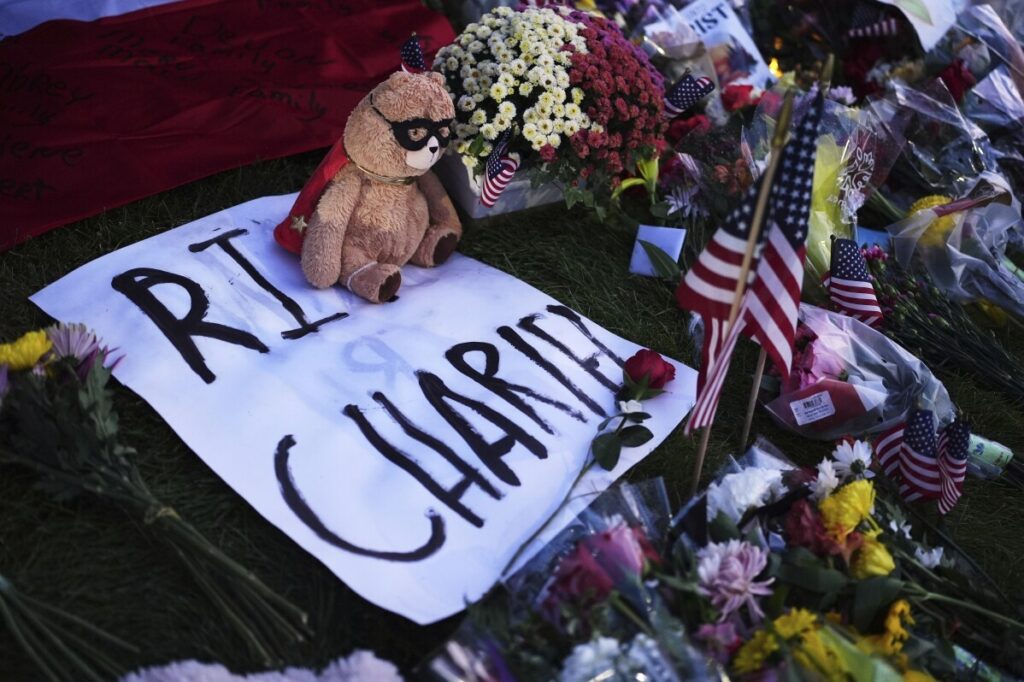
The shocking murder of conservative activist Charlie Kirk on Utah Valley University’s campus exposes more than just the heartbreak of lost life; it reveals cracks in the very systems meant to protect our communities and uphold our freedoms. As students grapple with trauma that no American should endure at their place of learning, the urgent question remains: how did this preventable act of violence happen on a campus where safety should be paramount?
How Did Security Fail America’s Youth?
Tyler James Robinson’s ability to ascend to a rooftop armed with a rifle underscores glaring security lapses that cannot be ignored. While investigations continue, we must ask whether officials acted swiftly or decisively enough to prevent such an attack. For families nationwide counting on safe schools for their children, this incident is a painful reminder that threats borne from neglect put innocent lives at risk.
The university’s promise to increase security post-tragedy is too little, too late. True commitment to national sovereignty means protecting Americans from internal threats by enforcing rigorous safety protocols—not scrambling after chaos has already unfolded. The blood spilled here demands accountability beyond empty promises.
The Cost of Political Division—and Who Suffers
This assassination also spotlights the corrosive effects of radical political rhetoric poisoning public discourse. Calls for civility sound hollow when extremist actions are met with politicized responses rather than unified condemnation. America First values respect for individual liberty and robust dialogue—but not when voices escalate into deadly violence.
Meanwhile, those mourning Kirk confront bruising realities: trauma triggering sleepless nights and abandoned campuses where vibrant community life once flourished. These young Americans embody resilience but also highlight the stakes when government fails its duty to secure peace and liberty on home soil.
How long will Washington turn a blind eye to growing threats inside our borders while focusing abroad? This attack isn’t isolated—it signals broader challenges facing national security and civil society amid rising unrest.
Kirk’s legacy as a patriot who championed free speech and conservative principles reminds us that safeguarding freedom requires vigilance against both external enemies and internal complacency. As his community mourns, let this tragedy fuel efforts grounded in accountability, stronger protections, and restoring common-sense conservatism that puts Americans first.