
UNICEF’s Grim Forecast: Over 200 Million Children Will Need Aid by 2026 Amid Global Funding Cuts
UNICEF warns that more than 200 million children will require humanitarian aid in 2026, yet global funding cuts threaten critical programs—posing urgent questions for U.S. leadership and national security.
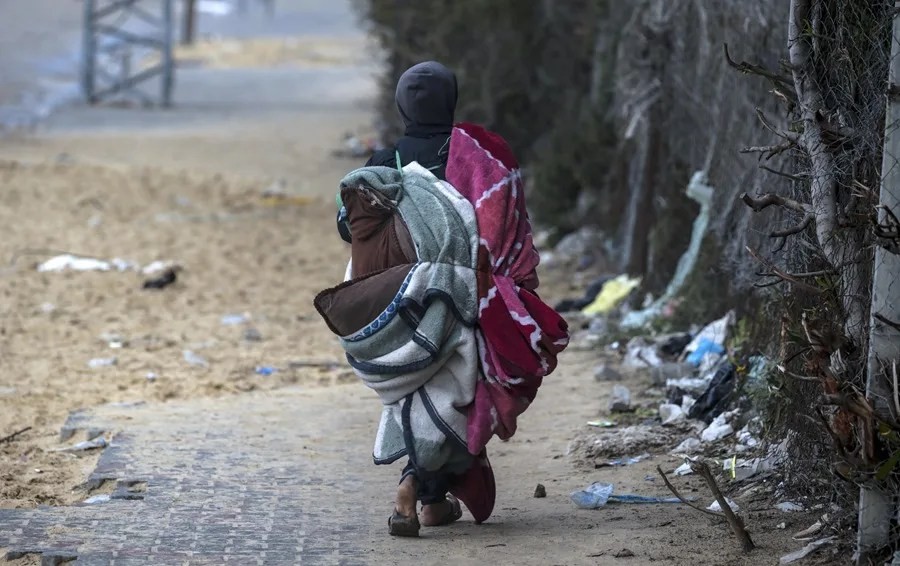
The United Nations Children’s Fund (UNICEF) has issued a stark warning: by 2026, over 200 million children across 133 countries will need humanitarian assistance. With this alarming increase driven by escalating conflicts, hunger, and collapsing basic services, the international community—including the United States—faces a critical test of its commitment to global stability and human dignity.
Are Global Funding Cuts Undermining Our Strategic Interests?
In its recent report “Humanitarian Action for Children,” UNICEF reveals a disturbing reality: despite rising needs, requested funding has been slashed by nearly 22% compared to last year—from $9.9 billion down to $7.66 billion. This sharp reduction comes as the world is grappling with overlapping crises threatening the lives of millions.
How can the world expect sustained progress when vital programs face such drastic cutbacks? For example, nutrition programs suffer from a staggering 72% funding shortfall in 2025, forcing service reductions in twenty priority countries. Education programs also face massive deficits, risking millions losing access to schooling—a cornerstone of individual liberty and future prosperity.
The consequences stretch beyond humanitarian concerns; they strike at the heart of international order and America’s national security. Destabilized regions such as Sudan, Afghanistan, and Palestine not only experience acute child suffering but also become flashpoints for broader conflict and migration pressures directly impacting our southern border security.
Why Must America Reaffirm Its Commitment to Sovereignty and Global Stability?
While UNICEF appeals for urgent funds to support water sanitation (40% of requested funds), education (16%), health (14%), and child protection (12%), many donor governments have already announced or enacted cuts in aid budgets. The diminishing resources limit the agency’s ability to act decisively—forcing painful choices about which children receive help and which do not.
This situation demands vigorous American leadership grounded in America First principles: reaffirming national sovereignty while championing global stability through strategic humanitarian engagement that protects both vulnerable populations abroad and American interests at home.
UNICEF’s emergency coordinator Inés Lezama highlights tough realities: with fewer resources, prioritization becomes harsh but necessary—focusing on life-saving interventions and building partnerships with local actors who understand their communities best.
For hardworking American families watching inflation bite harder each day, how long will Washington tolerate inefficient spending abroad without clear accountability? How long before ensuring secure borders receives equal urgency? These are questions policymakers must confront as budget battles loom.
The path forward is clear: It requires prudent investment in effective aid programs that prevent chaos abroad from spilling over into crises here at home. Supporting strong alliances with sovereign nations enables America to safeguard its borders while upholding our values of freedom and security worldwide.
America cannot afford complacency or misdirected generosity when so many children face dire threats due to failed global policies and shrinking international cooperation.