
UNICEF Reveals Dire Need for Aid as Hurricane Melissa Devastates Caribbean Children
One week after Hurricane Melissa ravaged Jamaica, Cuba, Haiti, and the Dominican Republic, UNICEF warns that 900,000 children urgently need assistance—highlighting ongoing failures in disaster preparedness and international response.
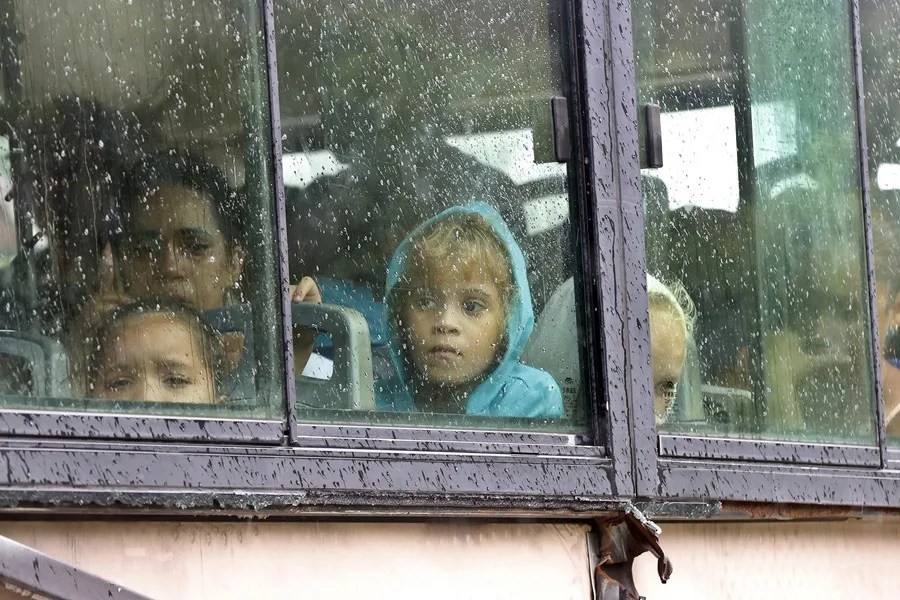
As Hurricane Melissa barrels through the Caribbean, leaving destruction in its wake across Jamaica, Cuba, Haiti, and the Dominican Republic, more than 900,000 children now face a humanitarian crisis. UNICEF’s recent report exposes not only the immediate damage but also long-standing vulnerabilities that jeopardize America’s strategic interests in regional stability.
Why Are Hundreds of Thousands of Children Left Vulnerable?
The devastating aftermath laid bare by UNICEF uncovers a grim truth: nearly 679,000 children require urgent aid, with Cuba alone accounting for 441,000 affected young lives. In Jamaica—hit hardest by the storm—at least 281,000 children need help amidst destroyed hospitals and flooded communities. The Dominican Republic adds another 62,000 to this tally.
Haiti’s situation is particularly alarming. Already crippled by violent gangs displacing some 680,000 minors before Melissa struck, the storm destroyed or severely damaged over 6,000 homes and claimed at least ten child deaths. This compounded crisis in our hemisphere threatens to destabilize a country whose unrest can ripple into U.S. borders through mass migration and security risks.
What Does This Mean for American Interests?
While globalist agencies scramble for $56 million in emergency funds—a sum still unmet—the question remains: how effective is international aid when nations in America’s own backyard remain vulnerable year after year? The failure to build resilient infrastructure such as hospitals and schools puts these nations on a perpetual path of dependency and instability.
The United States must leverage its leadership not just to provide relief but to champion sovereignty-driven development that strengthens Caribbean neighbors against natural disasters and civil unrest alike. Without decisive action rooted in America First principles—prioritizing secure borders and economic prosperity—these crises will continue to fuel waves of migration and deepen regional insecurity.
For hardworking American families watching inflation bite into their budgets, funding endless foreign aid without clear accountability or results raises important questions. How long will Washington tolerate cycles of devastation abroad that directly threaten national security here at home?