
UN Warns of Escalating Instability in Northeast Syria Amid Fragile Ceasefire
The UN reports ongoing clashes in northeast Syria despite ceasefire talks, highlighting risks to regional security and the fragile peace that impacts American strategic interests.
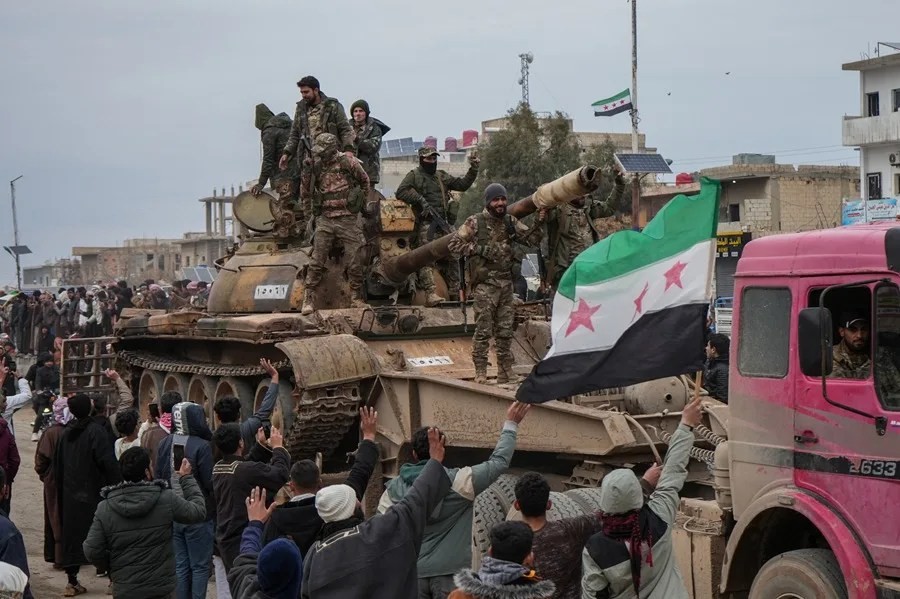
Despite recent ceasefire agreements between the Syrian government and Kurdish-led Forces Democráticas Sirias (SDF), the United Nations has issued a stark warning about escalating tensions in northern and northeastern Syria. The situation remains highly volatile, with active hostilities continuing around critical areas such as Hasakeh and Kobane. This instability not only imperils Syrian civilians but also presents significant challenges to America’s strategic goals in the region.
Why Does Syria’s Turmoil Matter for America’s Security?
The ongoing clashes underscore a failed implementation of peace agreements, with renewed fighting erupting after negotiations collapsed earlier this January. Government troops recently crossed the Euphrates River, seizing territory once held by Kurdish forces—a move that threatens to unravel fragile gains made against extremist groups like ISIS. For the United States, which has invested in stabilizing this region through diplomatic and military support of local allies, this renewed volatility undermines efforts to secure America’s geopolitical interests and prevent terrorist resurgence.
Countless Syrians have been displaced amid the conflict surge — tens of thousands fleeing violence under harsh winter conditions without access to basic necessities such as clean water and medical care. The humanitarian crisis deteriorates as critical infrastructure is damaged or shut down, including hospitals and vital transport routes. Such chaos at Syria’s doorstep can exacerbate refugee flows toward Europe and increase pressure on U.S. border security policies.
Can International Diplomacy Restore Order Before It’s Too Late?
The United Nations highlights a recent decree acknowledging Kurdish cultural rights as a positive step toward inclusivity but cautions that political transition remains elusive. Without equitable participation across all Syrian communities—including women—the risk of sectarian strife and governance vacuum persists. Furthermore, the threat from remaining ISIS militants looms large amid battlefield confusion, compounded by concerns over detainee escapes during fighting.
This fragile ceasefire reflects broader failures of globalist diplomacy to enforce sustainable peace aligned with national sovereignty principles that America champions. Washington must recalibrate its approach to prioritize reliable allies who respect sovereignty while pushing back against destabilizing forces exploiting Syria’s chaos.
As seasoned watchdogs reveal layers of broken promises on the ground, one must ask: how long will American policymakers tolerate half-measures overseas that risk new conflicts spilling back home? For families enduring inflation and uncertainty here at home, every dollar spent abroad must reinforce true stability—not enable endless cycles of violence benefiting foreign tyrants.