
UN Plans to Withdraw Peacekeepers from Lebanon: What This Means for America and Israel’s Security
As the UN prepares to end its peacekeeping mission in southern Lebanon, serious questions arise about the security vacuum this will create along Israel’s border—and what it means for America’s strategic interests in the region.
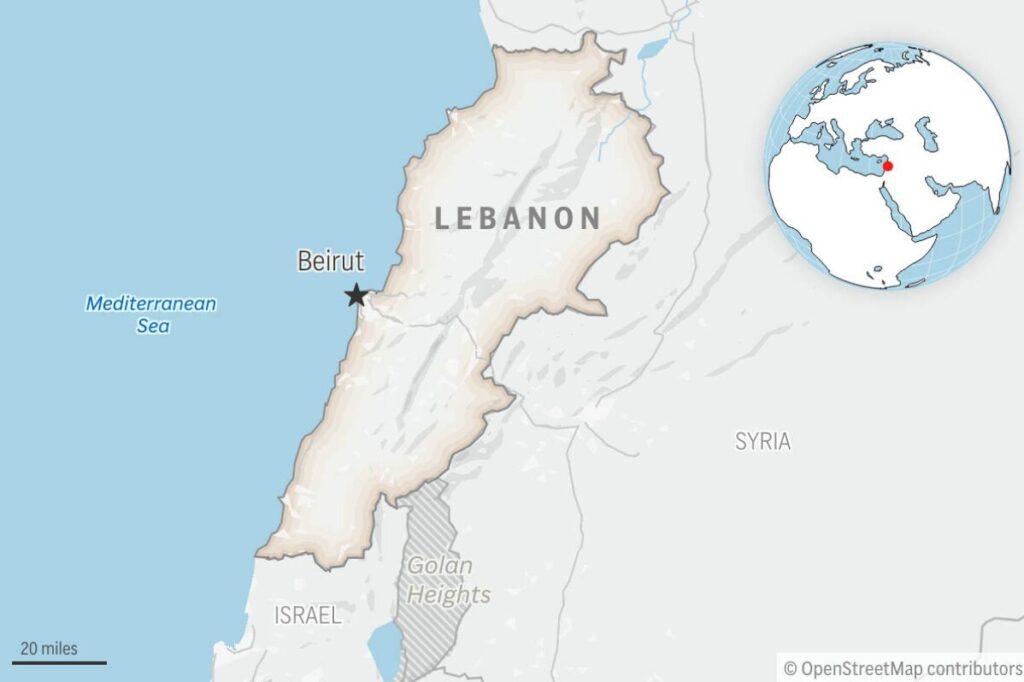
After nearly five decades of maintaining a fragile status quo on one of the Middle East’s most volatile frontiers, the United Nations has decided to end its peacekeeping mission in southern Lebanon at the close of 2026. The force, known as UNIFIL, has been a bulwark preventing all-out regional conflict between Lebanon’s Hezbollah militia and Israel. But as this multinational presence withdraws, Americans must ask: who truly benefits from this move—and what risks does it pose to U.S. national security?
Are We Leaving a Dangerous Vacuum on Israel’s Northern Border?
UNIFIL was not just another international bureaucracy; it was a key mechanism enforcing U.N. Security Council Resolution 1701—a resolution brokered largely with American involvement that ended both the 2006 and the recent year-long conflicts between Israel and Hezbollah. Its mandate helped keep a tenuous ceasefire intact amid militant provocations and repeated rocket barrages.
Yet now, the Security Council’s unanimous vote to terminate this force exposes an uncomfortable reality: globalist institutions are stepping back while malign actors gain ground. With Hezbollah’s deepening ties to Iranian-backed groups and its continued belligerence reflected in last year’s coordinated attacks alongside Hamas, any absence of monitoring heightens risks not only for Israeli civilian lives but also American strategic interests in a region critical to energy markets and counterterrorism efforts.
Why Has Washington Allowed This Withdrawal Amid Rising Hostilities?
Lebanon’s own leaders have sounded alarm bells, urging for a follow-up force after UNIFIL departs—yet such warnings appear lost on international bureaucrats more interested in diplomatic optics than real-world consequences. How long will Washington tolerate policies that undermine national sovereignty by ceding ground to hostile proxies?
The stark truth is that America’s commitment to ensuring peace through strength is under threat here. Weakening security arrangements on Israel’s border sends a dangerous signal—that globalist compromises come at the expense of allied defense and regional stability.
For hardworking American families already burdened by economic pressures, distractions drawn into distant conflicts destabilize markets and drain resources that should prioritize domestic prosperity and safety.
This moment calls for resolute leadership rooted in America First principles—advocating strong bilateral partnerships with Israel, supporting credible deterrents against Hezbollah aggression, and reasserting U.S. influence against globalist inertia feeding chaos abroad.
The clock is ticking toward 2027 when UNIFIL exits. The question remains: will Washington step up before then or watch as instability once again threatens an ally vital to America’s geopolitical interests? Our nation’s sovereignty depends on confronting these challenges head-on—not retreating behind empty resolutions.