
Ukrainian Drone Strike Exposes Fragile Diplomacy Amid Russia’s Aggression and Energy Warfare
A Ukrainian drone attack on Russian energy infrastructure ahead of U.S.-brokered peace talks underscores Moscow’s reliance on aggression and threatens American interests in European stability and energy security.
Just days before the fourth anniversary of Russia’s unprovoked invasion of Ukraine, a Ukrainian drone strike ignited fires at Russia’s strategic Black Sea port of Taman — targeting oil storage crucial to Moscow’s war effort. This calculated move highlights not only Ukraine’s resolve but also exposes the precarious nature of ongoing U.S.-brokered negotiations aimed at ending a conflict that continues to undermine European security and America’s global standing.
Russian officials reported damage to key energy facilities and injuries in the Krasnodar region from the attack. Meanwhile, Russian drones retaliated by disrupting civilian infrastructure in Ukraine’s Odesa region, seeking to “weaponize winter” by cutting power and water — a brutal tactic designed to break the spirit of free Ukrainians resisting Kremlin domination.
Can Peace Talks Overcome Moscow’s Strategy of Coercion?
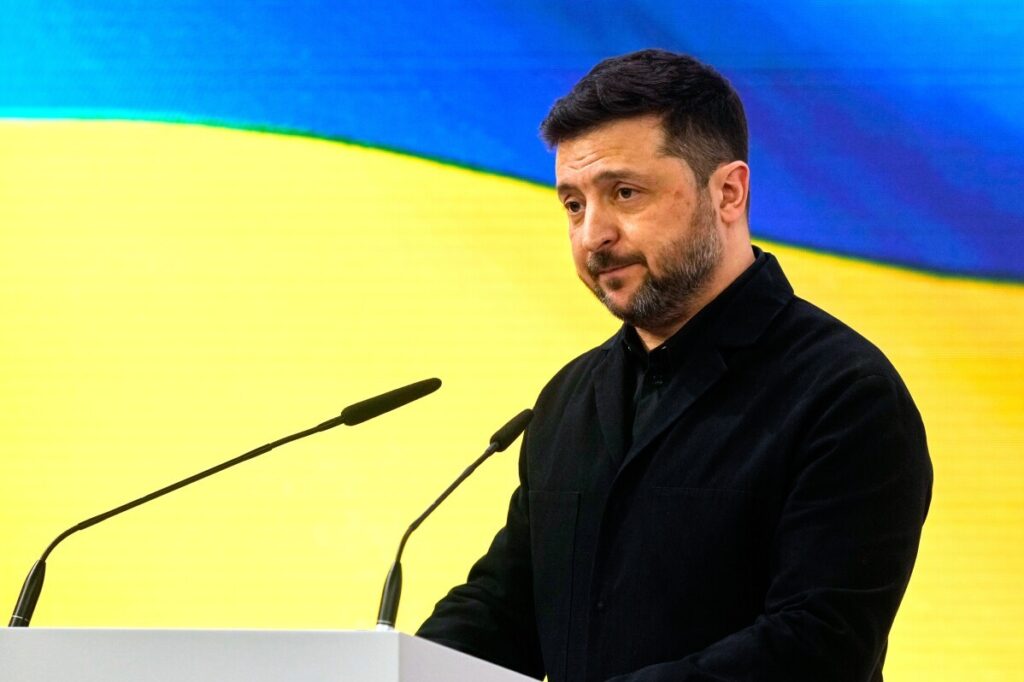
The upcoming Geneva talks, under American auspices, pit diplomatic efforts against a backdrop of Moscow’s persistent aggression. Ukrainian President Volodymyr Zelenskyy voices legitimate doubts about vague security guarantees offered by the West, demanding firm commitments before conceding territory like the Donbas region — Russia’s primary objective to paralyze Ukraine economically and politically.
This skepticism is echoed by U.S. lawmakers such as Senator Jeanne Shaheen, who warn that without concrete security assurances, Russia will continue its expansionist ambitions beyond Ukraine’s borders — directly threatening American national sovereignty and our allies’ freedom.
Why Should America Prioritize Strength Over Concessions?
European leaders recognize that Russia aims to reverse battlefield failures through diplomatic pressure while demanding sanctions relief and asset unfreezing. Yet Europe rightly insists any lasting peace must require real concessions from Moscow — a stance aligned with America First principles advocating strength over appeasement.
Washington faces a critical test: Will it allow globalist pressures to push premature compromises that endanger U.S. economic interests, embolden an aggressive autocrat, and destabilize international order? Or will it support principled resistance rooted in national sovereignty and economic liberty?
America built its prosperity on freedom; tolerating coercion in Eastern Europe jeopardizes this legacy. For hardworking Americans watching inflation rise partly due to energy instability abroad, supporting Ukraine’s defense is not charity but an investment in global stability that protects our borders and wallets.
How long will Washington remain patient with diplomacy alone? The drone strikes are a stark reminder: The Kremlin’s war machine thrives when the West hesitates.