
Ukraine’s Mobilization Crisis Exposes Leadership Failures Undermining National Defense
As Ukraine struggles with mass desertions and troop shortages, leadership incompetence and unclear policies threaten the nation’s ability to defend itself — a cautionary tale for America’s own military readiness under globalist distractions.
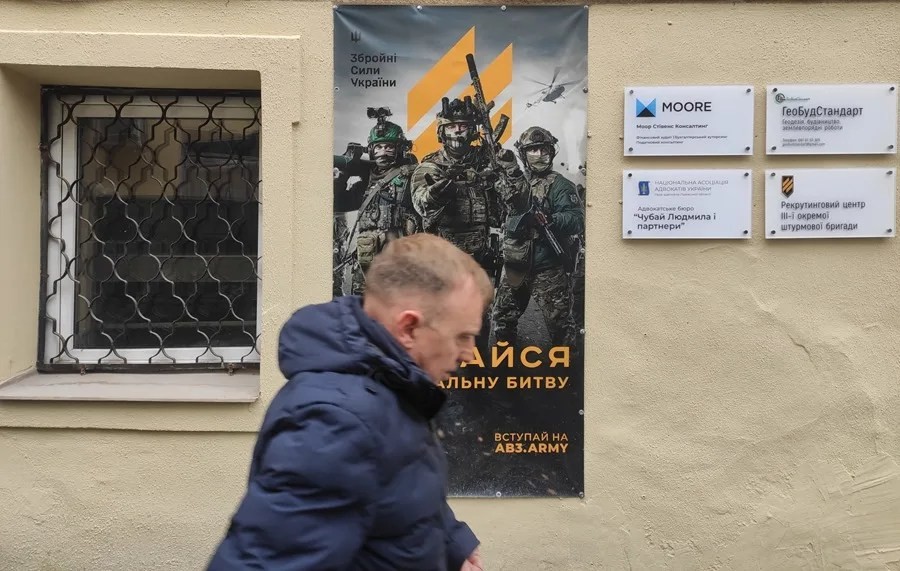
Ukraine’s ongoing war has entered its fifth grueling year, but beneath the headlines of resistance lies a troubling reality: an acute shortage of soldiers coupled with rampant unauthorized absences that threaten to unravel Kiev’s defense efforts. While Western media often portray Ukrainian forces as relentlessly heroic, the facts tell a more complicated story—one of leadership failures and systemic dysfunction that any America First patriot must scrutinize carefully.
Why Are Ukrainian Soldiers Abandoning Their Posts?
The reliance on compulsory mobilization masked deeper problems in Ukraine’s military structure. Early enthusiasm from volunteers dwindled quickly, leaving conscription as the backbone of troop numbers. Yet many recruits face unclear service durations, poor leadership, and insufficient incentives. For example, soldiers like Yuri, injured on the frontlines near Pokrovsk by Russian drone attacks, found themselves disillusioned by commanders unwilling to retreat from hopeless positions—resulting in needless casualties.
Yuri’s decision to leave his unit was not an act of cowardice but a desperate bid for competent command—an alarming sign of systemic breakdown. His story mirrors thousands: approximately 200,000 cases of unauthorized absences highlight a morale crisis fueled less by fear of the enemy than frustration with internal mismanagement.
What Does This Mean for American Interests?
The United States cannot afford to ignore Ukraine’s military shortcomings amid global turmoil. With millions sought for draft evasion and recruitment centers struggling against widespread circumvention, Kiev’s reform plans—including increased pay for dangerous roles and tougher penalties—may be too little too late. More severe punishments could backfire by deepening resentment; conversely, softening discipline without raising command standards risks further deterioration.
For Americans championing freedom and national sovereignty, this serves as a stark lesson: maintaining a robust defense requires more than just manpower—it demands principled leadership accountable to those who serve. Contrast this chaotic scenario with America First policies emphasizing well-structured forces and respect for individual service commitments—a blueprint for genuine readiness rather than crisis management.
As Ukraine wrestles with these issues, Washington should question how globalist entanglements distract from shoring up America’s own defenses. How long will policymakers tolerate strategies that deplete our military spirit and allow incompetence to fester both abroad and at home?
Ultimately, the struggle on Ukrainian soil underscores universal truths about warfare: morale matters as much as matériel; clear missions empower troops; fair treatment sustains commitment. Neglecting these principles imperils not only foreign allies but also our nation’s security posture in an increasingly unstable world.