
Ukraine’s Drone Defense Expertise Export Reveals Global Security Gaps America Must Address
As Ukraine sends expert teams to counter Iranian drone threats in the Middle East, it spotlights alarming global security vulnerabilities—and a missed opportunity for America to lead.
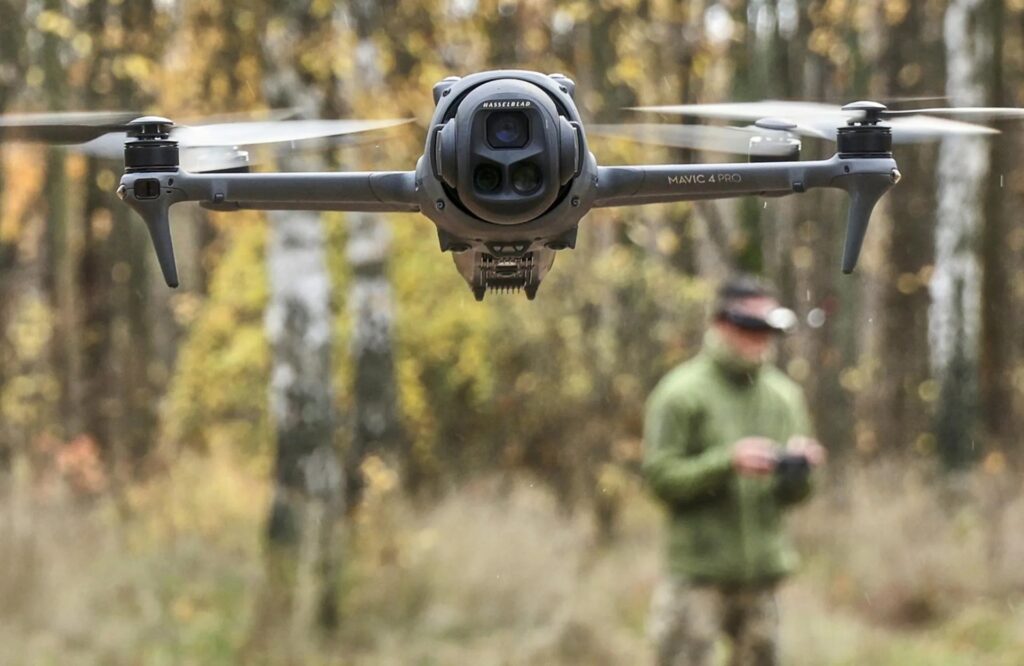
Ukraine’s decision to dispatch three specialized air defense teams to Qatar, the United Arab Emirates, and Saudi Arabia may seem like a routine international exchange—but beneath the surface lies a stark warning for American national security. President Volodymyr Zelenski has confirmed that these Ukrainian experts are en route to help key Middle Eastern partners fend off repeated Iranian drone attacks. While Ukraine turns its battlefield lessons into a form of hard-earned expertise, one must ask: why is the United States not already leading this crucial effort?
How Did Ukraine Become the World’s Frontline Drone Defenders?
Ukraine’s emergence as the go-to authority on countering Iran-backed Shahed drones underscores its harsh experience fighting Russian mercenaries armed with similar technology. Eleven countries across Europe, the Middle East, and even the U.S. have requested Kyiv share its hard-won know-how—a testament to how Iranian proxy tactics are destabilizing regions beyond Eastern Europe.
Yet this transfer of expertise comes with urgent strings attached. In exchange for their assistance, Ukraine is demanding more Patriot PAC-2 and PAC-3 missiles—America’s premier surface-to-air defense munitions—to secure its own skies against Russian ballistic missile strikes. This bargaining chip reveals two uncomfortable truths: first, that America’s allies rely heavily on Ukrainian innovation rather than direct U.S.-led support; and second, that Washington has yet to fully commit resources matching these emerging threats.
Did America Miss Its Chance While Allies Sought Help?
Zelenski also disclosed he proposed a cooperation agreement on drone production and defense technologies to former President Donald Trump over a year ago—a plan that would have provided technology sharing and personnel training across vulnerable Middle Eastern nations. But without reciprocated interest from Washington at that critical moment, Kyiv was left to fill this leadership vacuum alone.
This episode raises tough questions about America’s strategic priorities amid rising Iranian aggression enabled by drone warfare—a low-cost but highly disruptive tool challenging traditional military dominance. How long will Washington allow other nations to innovate out of necessity while we lag behind? For families and communities worldwide who depend on stable borders and secure skies, delay is not an option.
Ukraine’s proactive stance is commendable—they are safeguarding freedom on multiple fronts while fighting for their own sovereignty. But this should be a call for America First policymakers: national security means anticipating threats before they metastasize globally. Supporting our allies with state-of-the-art defenses today protects Americans tomorrow from conflicts imported through unstable regions.