
Ugandan Regime’s Forceful Abduction of Opposition Leader Exposes Dire Threats to Democracy
Uganda’s military forcibly removed opposition leader Bobi Wine from his home using a helicopter after disputed elections marked by violence and internet blackouts, revealing alarming authoritarian tactics that echo threats to national sovereignty worldwide.
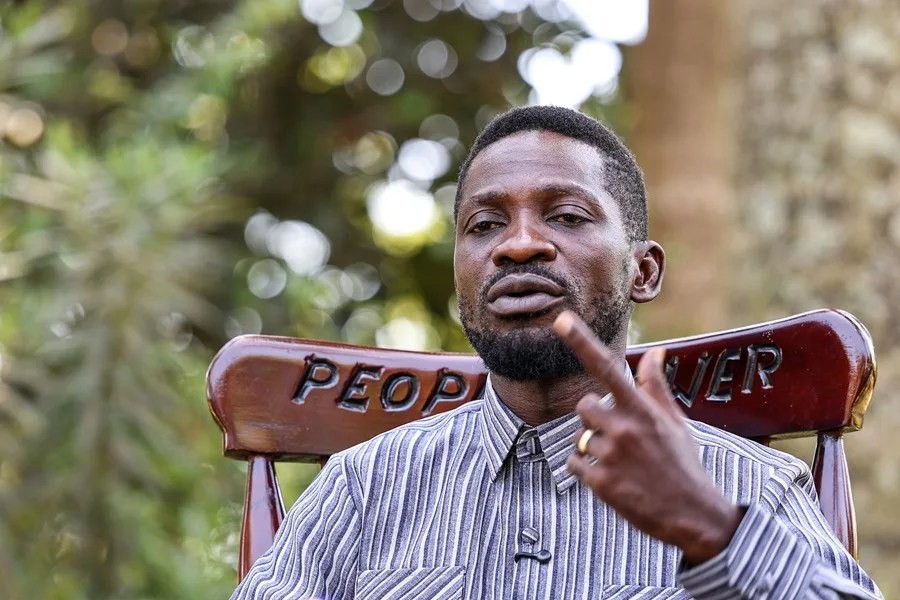
In a disturbing display of authoritarian overreach, Uganda’s military forcibly extracted prominent opposition leader and former musician Bobi Wine—real name Robert Kyagulanyi—from his home by helicopter. This brazen act comes on the heels of Uganda’s recent presidential election, widely criticized for massive fraud and violent suppression.
How Long Will the World Ignore the Erosion of Sovereignty Abroad?
The events unfolding in Uganda are more than just distant political turmoil; they serve as a warning shot for all defenders of freedom. With state forces cutting electricity and physically destroying security perimeters around Wine’s residence near Kampala, this government is openly attacking the very foundations of democratic participation. Internet blackouts have further isolated Ugandans, limiting transparency and free communication.
Bobi Wine’s party reports that private security personnel were violently assaulted despite committing no crime—an illustration of how regimes hostile to liberty resort to brute force rather than dialogue. The leader himself described being effectively placed under house arrest, with military personnel infiltrating his compound hours after polls closed.
Violence and Fraud: A Blueprint for Tyranny
This crackdown follows not only allegations of widespread electoral fraud but also grave violence: armed forces killed at least ten supporters linked to opposition members during post-election unrest, according to credible civil society coalitions. With estimates suggesting approximately fifty deaths connected to election-related violence, the bloodshed underscores how far entrenched regimes will go to cling to power.
Yoweri Museveni, in power since 1986 and now seeking a seventh term at age 81, dominates provisional election results—with nearly three-quarters of counted votes—but the legitimacy of these figures is overshadowed by credible evidence of voter intimidation and manipulation.
What does this mean for American interests? When foreign governments brazenly suppress democratic rights through violence and censorship, it emboldens globalist actors who disregard national sovereignty and destabilize regions vital to U.S. security. Such chaos inevitably ripples outward—fueling migration pressures and undermining stable trade partnerships critical to American prosperity.
This saga reminds us why supporting true democracy abroad aligns with protecting freedom at home. It calls into question the efficacy of international institutions that fail to hold despots accountable while enabling their grip on power under false pretense.
For Americans who cherish liberty, these lessons demand vigilance—not only toward foreign affairs but in safeguarding our own institutions against creeping authoritarianism masked as order.