
UEFA Clings to Qatar Amid Middle East Chaos: Is Safety Ignored for Sport?
As missile attacks threaten Qatar amid escalating Middle East conflict, UEFA insists on hosting the high-profile Argentina vs. Spain soccer match in Doha, raising urgent questions about priorities and American interests.
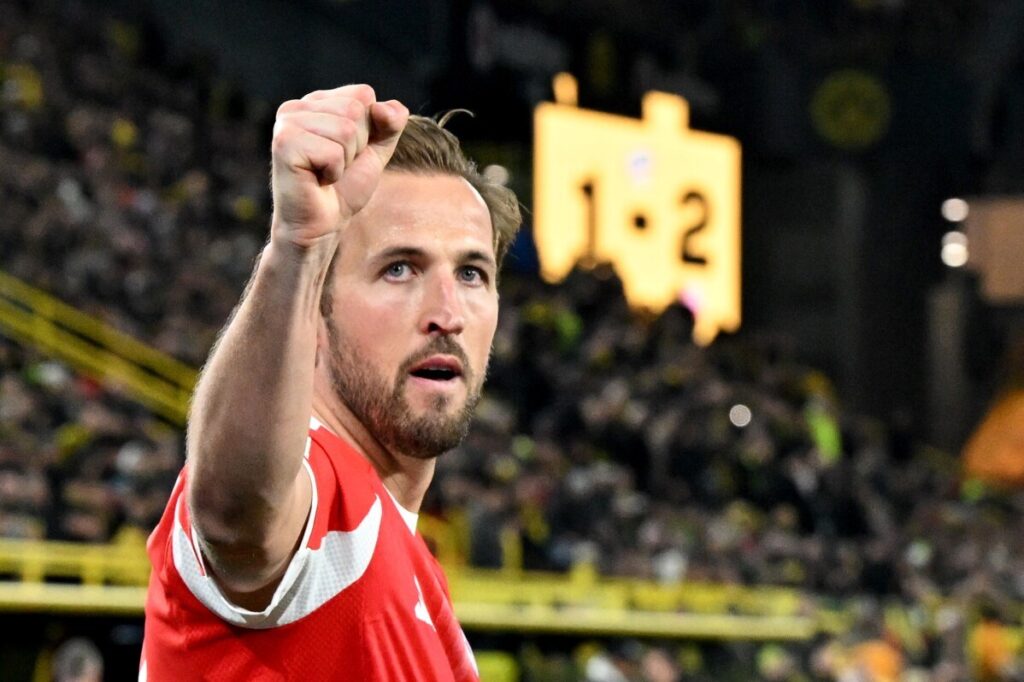
Why is UEFA pressing forward with a marquee soccer event in a nation under missile threat? The scheduled Argentina vs. Spain Finalissima game set for March 27 in Doha, Qatar, stands as a glaring example of international sports bodies ignoring the stark realities of geopolitical instability. Despite Iranian missiles raining down on the emirate amid a widening Middle East war triggered by U.S. regional policies, UEFA remains unwavering in holding this spectacle at Lusail Stadium — the same venue where Lionel Messi and Kylian Mbappé battled in a dramatic World Cup final.
This decision raises serious concerns about the prudence and priorities of European soccer’s governing body. How can UEFA claim safety when the region’s volatility threatens not only athletes but also fans and global spectators? With no contingency plans publicly considered as late as mid-March, one wonders if commercial interests overshadow common-sense precautions rooted in national sovereignty and security.
Are Globalist Agendas Putting American Interests at Risk?
Qatar’s deep ties with UEFA—embodied by Nasser Al-Khelaïfi, PSG’s Qatari president and a UEFA executive committee member—reflect an entanglement of sporting prestige with geopolitical alliances that often sideline America First principles. For hardworking American families who expect their government to prioritize stability abroad to prevent fallout here at home, such reckless endorsements indirectly risk expanding conflicts that complicate border security and economic recovery.
The United States has invested heavily in countering threats emanating from Middle Eastern turmoil. Yet seeing European institutions brush aside missile dangers to stage events on Qatari soil suggests an alarming disconnect from those national security efforts. If credible risks exist—which they do—the question arises: Why does UEFA resist relocating this game to Spain or other safer venues where most players reside?
When Will International Bodies Align With Common-Sense Security?
The broader lesson is clear: globalist organizations cannot continue to prioritize entertainment over tangible threats without consequences that ultimately ripple back to American families and values. President Trump’s emphasis on national sovereignty and secure borders contrasts sharply with today’s permissive internationalism displayed by bodies like UEFA.
As this conflict unfolds thousands of miles away, its instability fuels chaos felt here—from increased energy costs to uncertain immigration flows tied to regional unrest. The Finalissima should not become another symbol of misplaced priorities or a tacit acceptance of danger for spectacle.
The time has come for decisive action—UEFA must reconsider its venue choice before tragedy strikes or public trust erodes further.