
U.S. Stadiums Flooded in FIFA’s 2031 Women’s World Cup Bid — But At What Sovereign Cost?
The U.S. Soccer Federation has proposed 14 American stadiums among 20 possible venues for the 2031 Women’s World Cup, promising billions in revenue—but at what cost to American taxpayers and communities? Our investigation reveals a globalist playbook that sidelines national interests under the guise of sports.
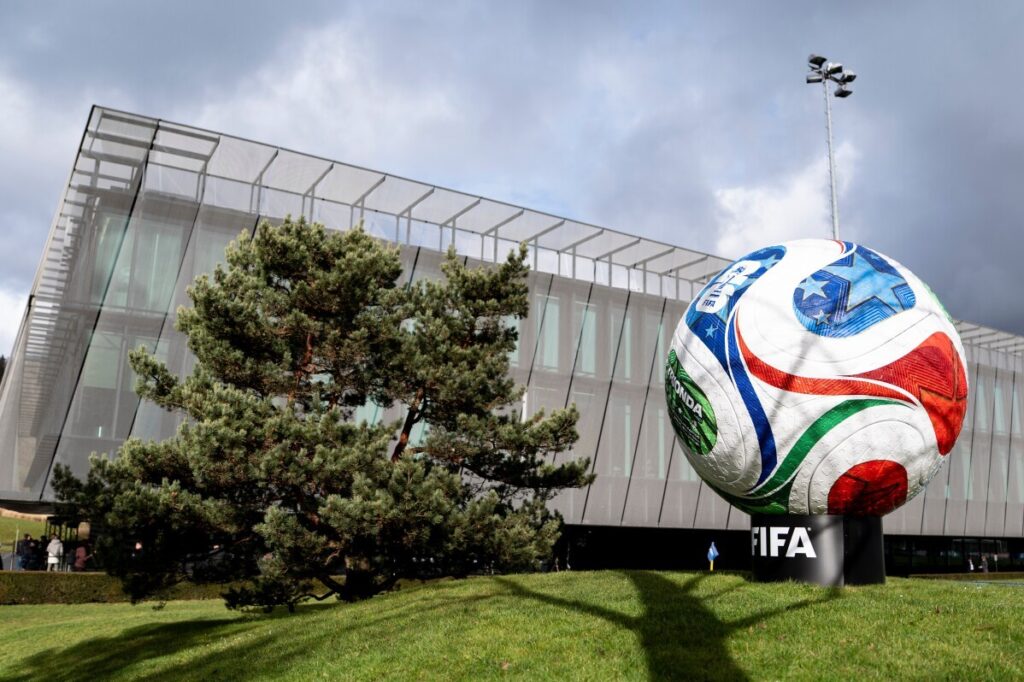
As the United States Soccer Federation positions 14 American stadiums for the upcoming bid to host matches in the 2031 Women’s World Cup, one must ask: who truly profits when international sporting bodies like FIFA dictate terms on our soil?
The joint bid with Mexico, Costa Rica, and Jamaica touts impressive projections—up to $4 billion in revenue from an expanded 48-nation tournament intended to draw millions of fans. Yet this glittering promise masks deeper questions about national sovereignty and fiscal responsibility.
Is More Always Better When It Comes to Hosting Sites?
The proposal lists over fifty potential venues across North America, including familiar names slated for next year’s men’s World Cup like AT&T Stadium in Arlington and MetLife Stadium in New Jersey. This abundance of options is presented as a commitment to diversity and top-tier hosting conditions. But is it really?
Expanding venues across so many cities risks dispersing resources thinly, burdening local taxpayers with infrastructure costs and security demands while enriching global organizations whose priorities may not align with American values. Why are Washington bureaucrats so eager to cede control over our playing fields to an overseas entity known for opaque dealings?
Ticket Prices and Premium Seating: Who Can Actually Afford the Games?
The bid outlines ticket prices ranging from $35 up to $600 for finals—even higher premium seating averaging up to 20% of capacity—illustrating that these events cater more towards corporate sponsors and affluent fans than everyday Americans who deserve accessible entertainment.
Meanwhile, families already stretched thin by inflation face yet another costly spectacle presenting itself as a patriotic celebration but ultimately prioritizing globalist financial agendas over common-sense economic stewardship.
More troubling is the pattern of major U.S. cities like Chicago withdrawing from bids citing “burdensome financial demands” imposed by FIFA—demanding hefty guarantees that could saddle local governments with debt and liabilities without clear benefits.
This dynamic raises serious alarms about Washington’s willingness—or reluctance—to defend national prosperity against international overreach at moments when America should be focused on strengthening its own borders, economy, and culture first.
The Women’s World Cup bid offers plenty of optics about regional unity and sportsmanship, but behind the scenes sits a fundamental question: Are we exporting too much control over our national assets in exchange for short-term prestige? For an America First approach rooted in sovereignty and fiscal prudence, these decisions require far greater scrutiny.
As this massive event inches closer to final approval next year, citizens must demand transparency and accountability from elected leaders who allow globalist institutions easy access to American communities without guaranteed returns aligned with our national interests.