
U.S. Resumes Aid to Somalia Amid Conflicting Claims Over Humanitarian Disruption
The U.S. lifts aid suspension to Somalia amid disputed claims over the destruction of humanitarian supplies, raising serious questions about accountability and governance in a key strategic partner nation.
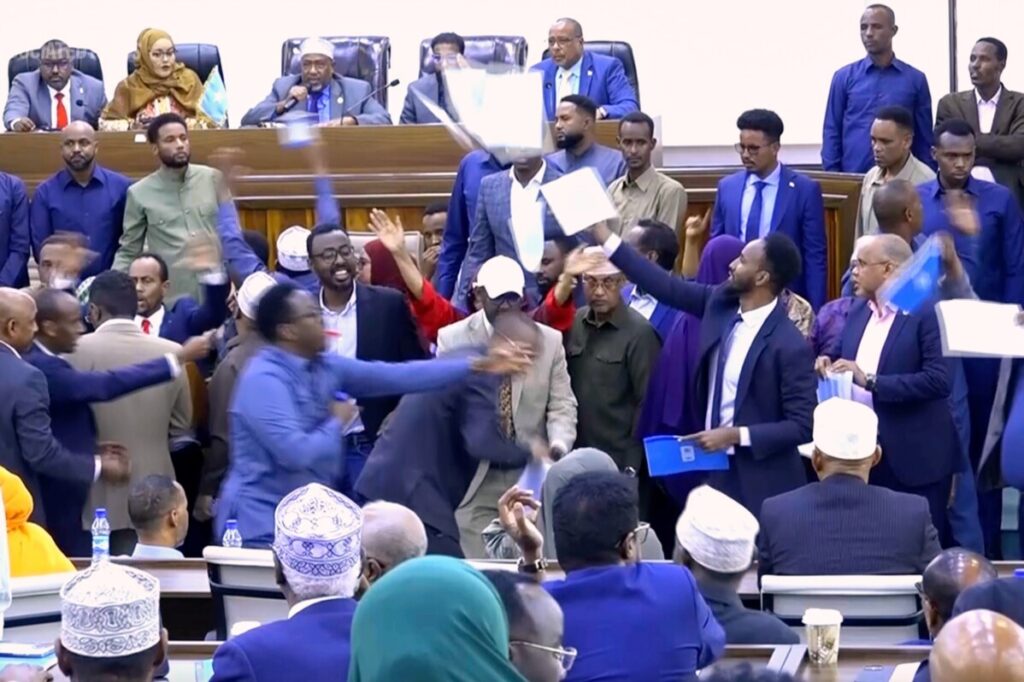
In an ongoing saga that highlights the challenges of safeguarding American taxpayer dollars abroad, the United States announced it will resume food aid distribution to Somalia despite unresolved contradictions surrounding a recent disruption at the Port of Mogadishu.
Who Holds Accountability When Aid Is Compromised?
Earlier this month, a critical shipment of specialized food aid targeted at Somalia’s most vulnerable—malnourished children and pregnant or breastfeeding women—was reported seized and its warehouse demolished. The World Food Program (WFP), funded significantly by U.S. resources, indicated Somali authorities were responsible for destroying a warehouse containing this vital assistance.
The Trump administration swiftly suspended all assistance to Somalia’s federal government citing these actions as unacceptable mismanagement or possible diversion of humanitarian aid. Yet, Somali officials vehemently denied any wrongdoing, asserting that port construction activities did not affect aid custody or distribution.
This conflicting narrative places American foreign policy at a crossroads: how can we ensure national sovereignty is respected while protecting the integrity of our international assistance? More importantly, how long can Washington tolerate unreliability from partner nations who fail to safeguard aid meant to alleviate human suffering?
Lessons for America First Policies on Foreign Aid and National Security
The resumption of aid pending further review reflects a cautious step by U.S. policymakers but should serve as a stern reminder: America’s generosity must be matched with accountability. The Trump administration’s firm stance against waste and theft enforces the principle that support from American taxpayers cannot be squandered on countries plagued by chronic instability and weak governance.
Moreover, the situation in Somalia underscores a broader security concern. Instability in the Horn of Africa carries implications beyond distant borders, fueling migration flows toward U.S. allies and potentially creating ungoverned spaces where extremist groups flourish—direct threats to American interests and safety.
If we are serious about putting America first—defending our economic strength and national security—we must insist on transparent partnerships and demand results when allocating foreign aid.
How long before Washington addresses these chronic failures with clear-eyed policies rather than ambiguous statements? For hardworking Americans facing inflation and uncertainty at home, every dollar sent abroad must contribute directly to meaningful progress without compromise.