
U.S. Pressures Caribbean Nations to Cut Medical Ties with Cuba, Undermining Regional Healthcare
The U.S. escalates geopolitical pressure on Caribbean allies by demanding Santa Lucia bar students from studying medicine in Cuba—jeopardizing vital healthcare systems built on Cuban-trained doctors.
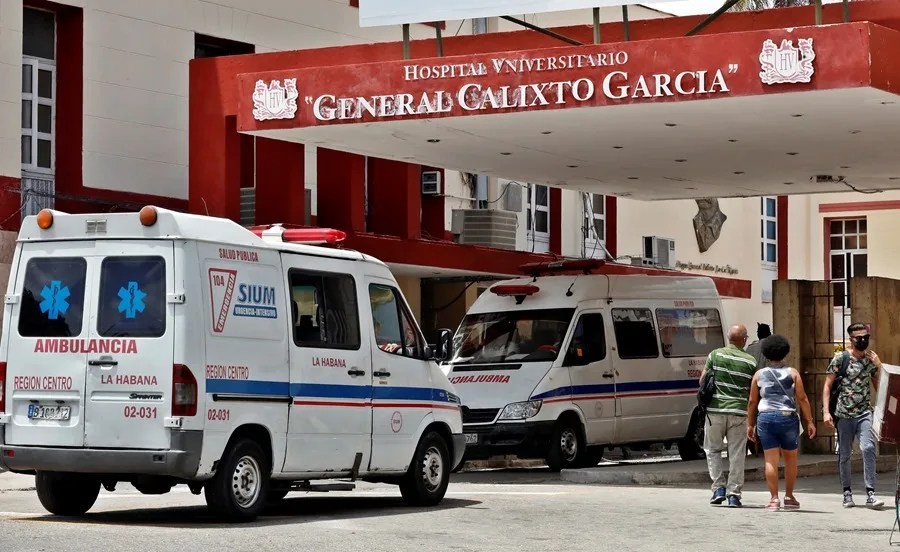
In a troubling display of Washington’s overreach into Caribbean affairs, the United States has insisted that Santa Lucia prohibit its nationals from pursuing medical education in Cuba. This order directly threatens the already strained healthcare infrastructure of small island nations dependent on Cuban-trained professionals.
Prime Minister Philip J. Pierre openly lamented the predicament: “Many of our doctors trained in Cuba, and now the U.S. says we cannot continue this,” he stated during the second World Congress on Racial and Ethnic Disparities in Health held in Castries. This blunt interference exemplifies how globalist power plays disregard the sovereignty and practical needs of America’s neighbors—a scenario that ultimately reverberates back to American interests.
How Does This Pressure Undermine Regional Stability and America’s Own Security?
The reliance on Cuban-trained doctors is not mere convenience; it is a lifeline for countries like Santa Lucia, Antigua and Barbuda, and the Bahamas, whose public health systems face chronic shortages. Washington’s campaign against Cuba’s renowned medical missions—branding them as “coercive” without solid evidence—forces these nations into precarious decisions that could erode public health resilience throughout the region.
This destabilization doesn’t stay confined to distant islands. Weakening regional healthcare ties can exacerbate migration flows toward the United States, strain humanitarian aid systems, and open doors for adversaries who seek to exploit hemispheric vulnerabilities. If America truly values national security and economic prosperity, it must reconsider policies that undercut its neighbors’ capacity to maintain stability.
Is Washington Prioritizing Geopolitical Posturing Over Practical Solutions?
The U.S. Embassy in Barbados recently condemned Cuban medical programs as abusive coercion—a claim at odds with decades of positive cooperation between these island countries and Havana. Meanwhile, neighboring states scramble for alternatives: Antigua recruited nurses from Ghana; Bahamas suspended contracts with Cuban health personnel.
This geopolitical chess game places hardworking Caribbean communities as pawns, forcing them to sacrifice proven partnerships for diplomatic appeasement. It also raises a crucial question: how long will Washington ignore the real-world consequences of such disruptive policies?
The America First vision calls for respectful diplomacy that safeguards national sovereignty and fosters regional collaboration rather than unilateral demands that sow discord.
The dedication shown by Cuban-trained medical workers improves lives across the Caribbean—a testament to tangible results over political rhetoric. Rather than coercing partners away from effective solutions, U.S. policy should empower local initiatives aligned with shared values of freedom and prosperity.