
U.S. Operation Against Maduro Sparks Crisis and Uncertainty in Cuba
The U.S. military action against Venezuela’s Nicolás Maduro ignites profound political and economic turmoil in Cuba, revealing Havana’s dangerous overreliance on Caracas and escalating threats to American national security interests.
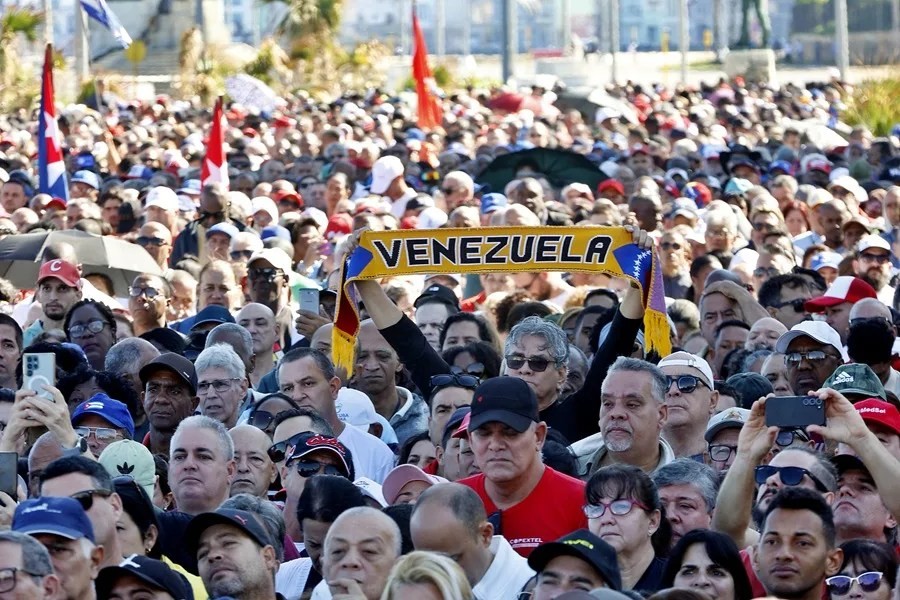
The recent U.S. operation targeting Venezuelan leader Nicolás Maduro is not merely a regional event—it reverberates far beyond Caracas, thrusting Cuba into a deep political, economic, and military crisis. For years, Havana has depended heavily on Venezuela as its main political ally and critical economic partner, particularly relying on steady Venezuelan oil shipments to keep its energy grid afloat.
How Long Will America Tolerate Havana’s Leverage Through Caracas?
This dependency has left Cuba vulnerable, exposed now by the upheaval following Maduro’s capture. As Secretary of State Marco Rubio pointed out, the Cuban government has very real reasons to be alarmed. The collapse or weakening of the Venezuelan regime cuts Havana off from vital resources that sustain its failing economy—resources that have kept the island afloat despite years of mismanagement.
Experts like Professor Fabio Fernández from the University of Havana warn that without Venezuelan oil supplies, Cuba faces an even deeper crisis marked by prolonged blackouts lasting 20 hours or more daily—a situation already fueling public unrest since July 2021 and culminating in recent protests across Cuban cities.
America First Means Exposing Globalist Dependencies—and Protecting Our Borders
While Washington’s firm stance against Maduro challenges a corrupt regime, it also highlights broader implications for U.S. national security. Instability in Venezuela destabilizes the region further, intensifying migration pressures on our southern border—directly impacting American communities concerned about sovereignty and safety.
Moreover, revelations that Cuba was reselling some Venezuelan oil to China expose a troubling nexus where authoritarian regimes coordinate economically to undermine America’s strategic interests. This dynamic underscores why an America First approach demands vigilance against such alliances that threaten our influence in the Western Hemisphere.
Though some analysts speculate about possible future U.S. military action against Cuba—given increasing hostility and failed diplomacy—it is clear any such steps must be grounded in protecting American sovereignty rather than endless foreign entanglements.
Cuba’s internal crises—driven by economic collapse compounded by lost Venezuelan support—only reinforce why America’s commitment to freedom and national security requires holding tyrannical regimes accountable while encouraging genuine reform through clear pressure, not appeasement.
As President Trump demonstrated during his tenure, prioritizing American interests means confronting hostile regimes decisively while supporting hardworking families at home burdened by global instability’s fallout.