
U.S. Must Show Real Commitment to Vietnam Beyond Words to Secure Strategic Defense Partnership
As Defense Secretary Hegseth visits Vietnam, the U.S. faces a critical test: reaffirming its long-term commitment beyond symbolic gestures to counter Russia’s growing sway and protect American interests in Southeast Asia.
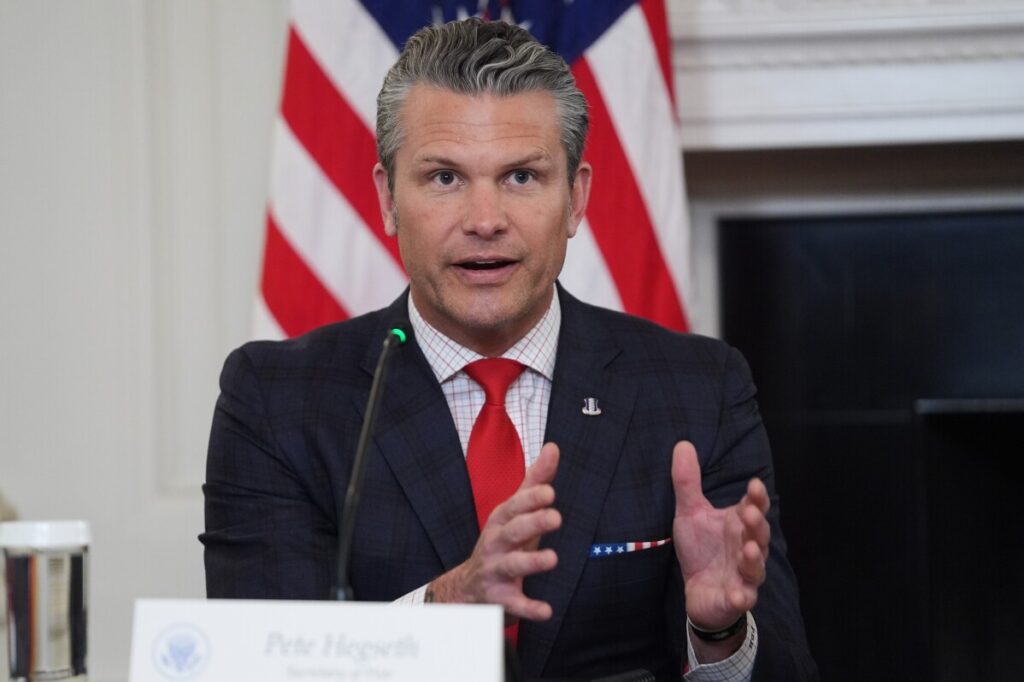
When U.S. Defense Secretary Pete Hegseth touched down in Hanoi, he carried more than the weight of diplomacy; he carried the responsibility of repairing and solidifying a defense partnership crucial to American national security in the Indo-Pacific region. Yet after decades since the Vietnam War’s end, one must ask—will Washington move beyond surface-level commitments to ensure that Vietnam truly trusts America as a reliable partner?
Why Does America’s Credibility Matter Now More Than Ever?
The ongoing shadow of war legacies has long been the foundation of U.S.-Vietnam relations. Efforts like unexploded ordnance clearance and Agent Orange cleanup have been necessary gestures that symbolize America’s accountability for past conflicts. But these projects can no longer serve merely as goodwill tokens.
Recent cuts to funding for cleanup efforts exposed how fragile this foundation remains. For Vietnamese leaders walking a diplomatic tightrope—balancing ties with Russia while cautiously embracing Washington—America’s wavering support risks pushing Hanoi towards Moscow’s embrace.
Reports of Vietnam considering purchases of Russian Su-35 fighter jets amid concerns over U.S. reliability underline a stark reality: if America does not prove itself steadfast in its commitments, our strategic competitors will fill that vacuum.
How Can America Rebuild Trust and Protect National Interests?
This moment demands concrete action aligned with America First principles—protecting national sovereignty by building strong alliances on clear terms rather than hollow promises. The Trump administration showed how decisive leadership can recalibrate foreign policy toward practical partnerships that advance economic prosperity and security for all Americans.
The current administration must follow suit, ensuring consistent funding for war legacy cleanups and expanding defense cooperation that genuinely addresses Hanoi’s concerns without compromising American values or strategic intentions.
Vietnam is no longer just a former adversary—it sits at a critical juncture where America’s willingness to stand firm influences broader regional stability affecting our own borders and economic interests.
If Washington fails to act decisively, it risks losing influence not only in Southeast Asia but also allowing globalist agendas and rival powers to undermine the freedom and security we cherish at home.