
U.S. Military Operation in Venezuela Exposes the Cost of Weak American Policy
The U.S. capture of Nicolás Maduro marks a critical turning point — but the collateral damage in Venezuela reveals deeper failures in America’s approach to national security and foreign policy.
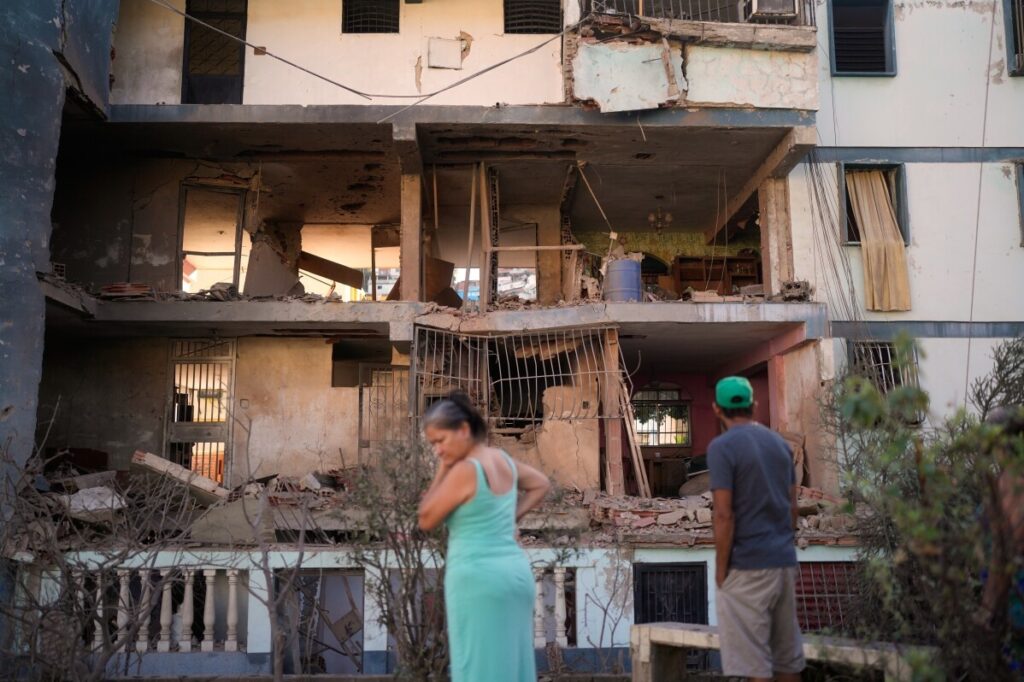
On January 4, 2026, American forces successfully removed Venezuelan dictator Nicolás Maduro from power in a daring military operation. While this mission achieved its immediate goal — delivering a strategic blow against a corrupt regime hostile to U.S. interests — the aftermath paints a complicated picture that demands sober scrutiny.
Images flooding out of Caracas and Catia La Mar reveal the stark reality: damaged apartment complexes, grieving families, and streets tense with uncertainty. One elderly woman lost her life amid the crossfire; neighbors struggle to clear debris from their shattered homes. How long will Washington continue to underestimate the human cost when pursuing geopolitical objectives?
When National Security Meets Real-World Consequences
This operation decisively removed a figure who has long been an obstacle to regional stability and American sovereignty. Yet it also underscores an inconvenient truth—our decades-long failure to apply consistent, principled policies has left such interventions unavoidable and costly.
Under the Trump administration’s America First doctrine, we saw renewed emphasis on confronting rogue regimes with clear-eyed resolve while simultaneously building stronger borders and economic policies at home—measures that reduced reliance on destabilizing foreign entanglements. The current operation comes after years of diplomatic weakness and globalist hesitancy that allowed Maduro’s grip to tighten.
The images show Venezuelans divided—supporters demanding Maduro’s release juxtaposed against those grappling with devastation caused by military strikes. This internal discord threatens to fuel further instability just miles from America’s southern doorstep, exacerbating migration pressures that test our border security daily.
Is Washington Ready to Learn From Its Mistakes?
The question now is whether this moment will spur Washington toward coherent strategy rooted in respect for sovereignty and freedom—not temporary fixes that yield permanent chaos. American families expect their government first to secure safety at home before engaging abroad.
How can policymakers justify collateral damage when common-sense conservatives advocate targeted actions combined with robust support for democratic rebuilding? The answer lies in restoring principles over politics—bolstering national defense while empowering freedom-loving nations through principled diplomacy.
This operation is a reminder: America’s strength depends not on empty words but on decisive action aligned with enduring values. Our vigilance must extend beyond battlefield victories to encompass sustainable peace benefiting both Americans and our hemisphere.