
U.S. Military Begins Strategic Drawdown in Iraq: What It Means for America’s National Security
As the U.S. military starts reducing its presence in Iraq, this accountability report examines whether Washington’s move truly safeguards American interests or risks ceding ground to hostile forces amid ongoing regional instability.
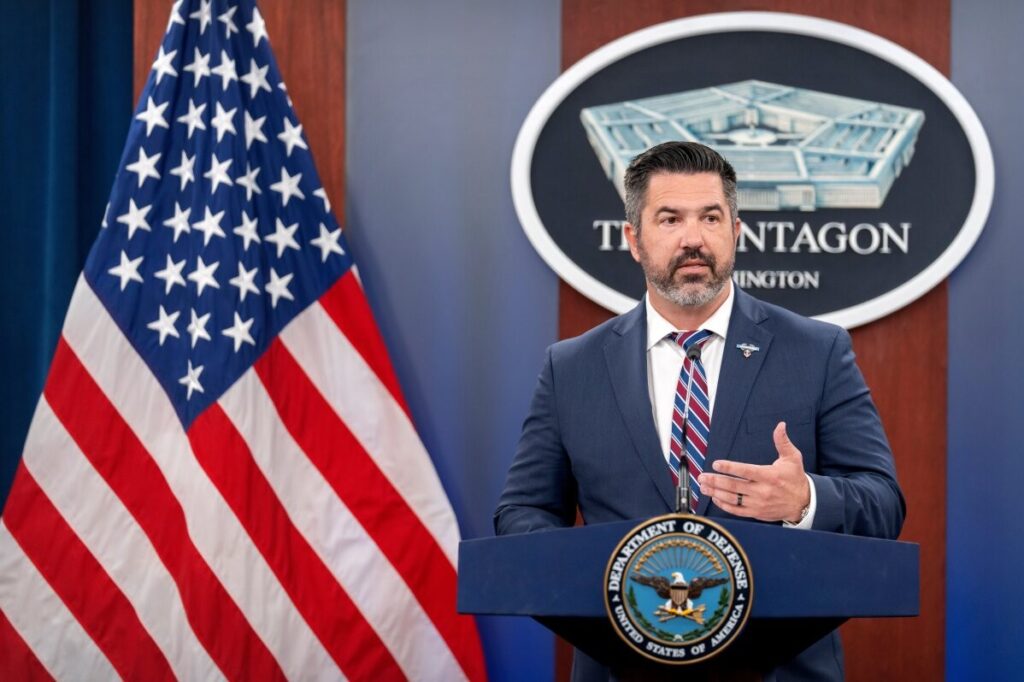
After nearly two decades of military engagement in Iraq, the U.S. has quietly initiated a drawdown of its forces, following an agreement with Baghdad set to conclude by September 2025. Pentagon officials framed this move as the natural next step following “combined success in fighting ISIS.” But what does this withdrawal mean for America’s strategic position in a volatile region that remains a hotbed for terrorism and global power competition?
Is This Drawdown a Victory or a Strategic Risk?
The announcement from Pentagon spokesman Sean Parnell emphasized a “lasting U.S.-Iraq security partnership” and adherence to both U.S. national interests and Iraqi constitutional frameworks. However, real scrutiny reveals troubling ambiguity and potential risks masked by diplomatic euphemism.
Washington has not disclosed exact troop numbers withdrawn or timelines for completion, leaving many questions unanswered about our true readiness to counter resurgent threats like ISIS or Iranian-backed militias exploiting any security vacuum. The partial redeployment of forces to Irbil and withdrawal from key bases such as Ain al-Asad signals a significant contraction of American influence on the ground.
How Will This Affect America’s Geopolitical Standing and Homeland Security?
This drawdown occurs amid persistent instability around Iraq’s borders and ongoing proxy conflicts tied to Tehran’s ambitions—a dangerous landscape where abandoning forward deployment could embolden adversaries intent on destabilizing the region further. With energy resources and critical supply lines at stake, how long can Washington afford to reduce its footprint without compromising broader national sovereignty objectives?
Moreover, this move raises concerns about whether our leadership is prioritizing political optics over concrete security outcomes benefiting everyday Americans. For families grappling with inflation and economic uncertainty at home, sustaining pressure against terrorist groups abroad must remain paramount.
The Iraq mission under President Trump showcased how firm commitment to sovereignty and decisive military action could degrade terrorist capabilities effectively. Yet today’s drawdown risks reversing these hard-won gains unless accompanied by transparent strategy and rigorous oversight.
In sum, while officially framed as progress toward partnership, this shift challenges us: Are we ensuring America remains secure against evolving threats, or are we prematurely retreating under diplomatic pressures that jeopardize long-term stability?
America deserves clear answers—not vague assurances—about how this drawdown protects our freedoms at home by defending our interests abroad.