
U.S.-Mexico Water Deal: A Tactical Victory Amid Sovereignty Challenges
After months of tense negotiations and tariff threats, Mexico agrees to guarantee steady annual water deliveries to the U.S., addressing long-standing disputes that impact American farmers and national interests.
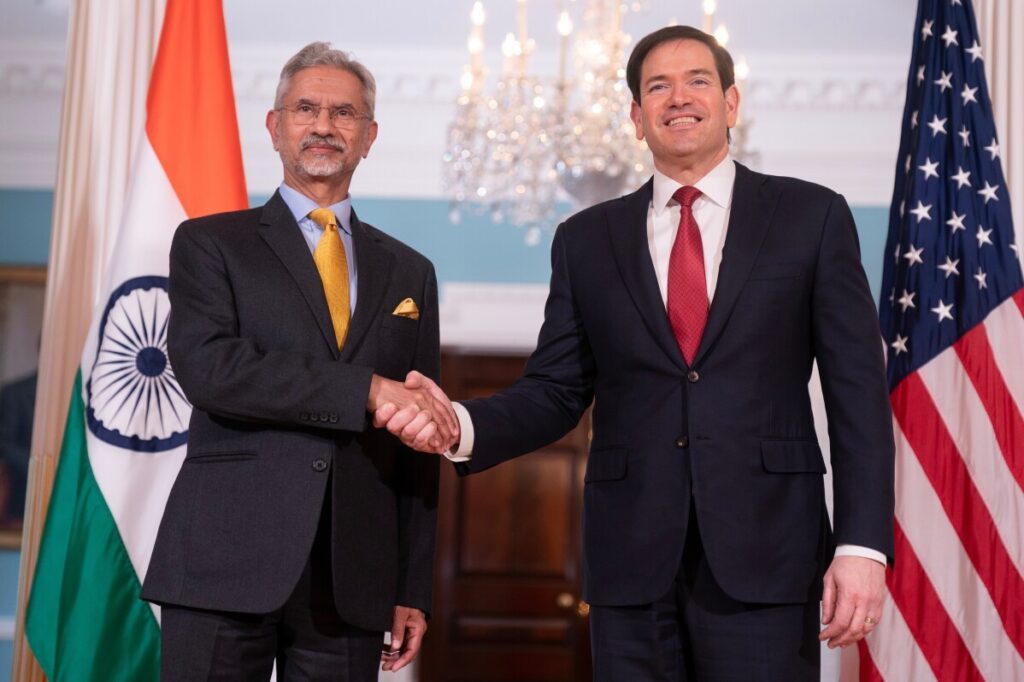
The recent agreement between Mexico and the United States on water deliveries marks a significant moment in upholding America’s national sovereignty and protecting the livelihoods of hardworking American farmers—especially those in Texas facing the harsh realities of drought. But how did Washington get here, and what does this mean for future cross-border resource management?
How Washington’s Firm Stance Secured Stability for American Agriculture
For years, Mexico’s inconsistent water deliveries under the 1944 Water Treaty have placed undue strain on American farmers who rely heavily on a predictable supply. The treaty requires Mexico to deliver 1.75 million acre-feet every five years from six tributaries, averaging out to 350,000 acre-feet annually. Yet Mexico has historically accumulated “water debt” early in each cycle—delivering less than required during critical planting periods.
This strategy jeopardized Texas agricultural output and threatened rural economies integral to America’s prosperity. Recognizing these risks, President Trump took decisive action by threatening tariffs—forcing Mexico into serious negotiations where previous diplomatic efforts had stalled.
The resulting agreement guarantees a minimum annual delivery of 350,000 acre-feet during this five-year cycle, ensuring more predictable water flow for American farmers. This not only protects essential agriculture but also reinforces the principle that treaties must be honored in spirit and execution when they affect American interests.
What Does This Mean for America’s Sovereignty and Future Cross-Border Relations?
Beyond immediate gains, this deal sends a broader message about America’s resolve: safeguarding our economic security is non-negotiable. By leveraging economic pressure through tariffs, the current administration demonstrated how America can reclaim leverage often lost due to globalist complacency.
Meanwhile, while Mexico receives increased water from sources west along the border as part of this arrangement, U.S. taxpayers can take no comfort if this comes at long-term expense or risks undermining our control over shared natural resources.
Moreover, reports reveal unease among northern Mexican farmers suffering drought impacts—a reminder that international agreements involving natural resources must balance competing interests carefully without compromising America First principles.
So one must ask: How long will future administrations allow these delicate negotiations to proceed without firm tactics that prioritize American workers? This agreement should serve as a blueprint—showing that bold leadership protecting national sovereignty yields tangible benefits for everyday Americans.
In essence, securing dependable water deliveries is not just about resource management—it’s about defending economic liberty for American families reliant on stable support systems far beyond politics or diplomacy alone.