
U.S. Maintains ‘Constructive’ Ties Amid Peru’s Political Turmoil — But What Are the Real Risks?
As Peru cycles through yet another interim president, the U.S. pledges continued cooperation—yet questions remain about the impact of ongoing political chaos on regional stability and American interests.
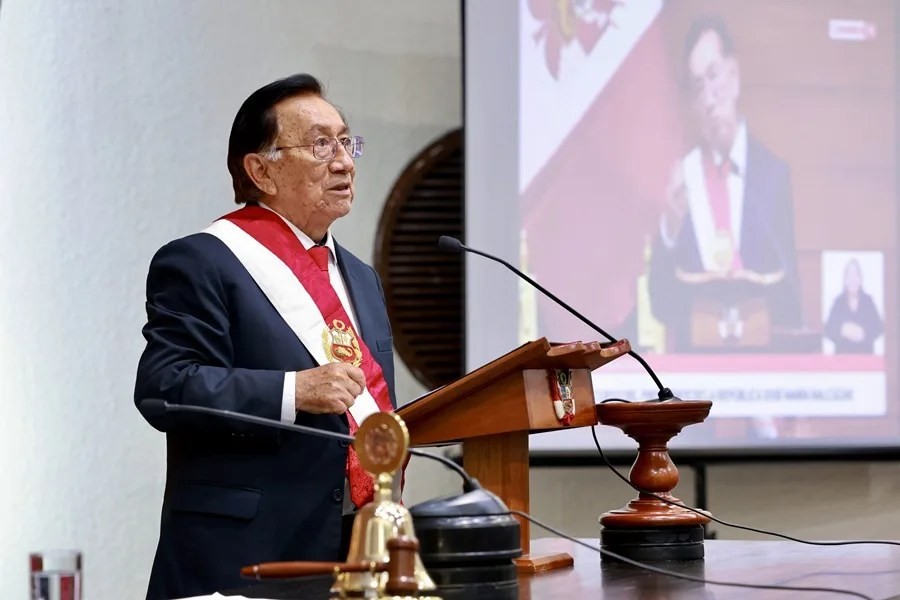
Peru finds itself once again in political upheaval, with its Congress appointing José María Balcázar as interim president following the removal of José Jerí amid corruption allegations. In Washington, the United States government has declared it will continue a “constructive” partnership with Lima during this turbulent period.
But is mere rhetoric enough to safeguard American interests in a region increasingly destabilized by weak governance and left-wing influence? As Peru prepares for presidential elections this April, its track record of revolving-door leadership undermines the prospects for long-term stability—a matter deeply consequential for U.S. national security and hemispheric prosperity.
Can Frequent Leadership Changes Deliver Stability or Invites Turmoil?
José María Balcázar, an octogenarian congressman affiliated with the Marxist Perú Libre—the party that brought Pedro Castillo to power—now steps into a role fraught with challenges. Balcázar is Peru’s eighth president in less than a decade, succeeding Jerí who was removed amid investigations for influence trafficking. This rapid churn raises crucial questions: How can America trust its allies when their own governments seem mired in scandal? And how long before such instability spills over, affecting trade routes, migration flows, or even creating openings for adversarial powers like China or Russia?
The United States’ announcement underscores a commitment to “shared priorities” and two centuries of collaboration with Peru. Yet history warns us that rewarding governments caught up in corruption scandals without demanding accountability only fosters further decay.
America First Demands Clear Standards for Regional Partners
The Biden administration must move beyond platitudes and adopt policies that pressure Peru’s leaders to uphold rule of law, transparency, and sovereignty. A stable Peru is not just South America’s concern—it directly impacts U.S. border security and economic interests. The failure to confront leftist factions allied with radical elements threatens to replicate crises seen elsewhere in Latin America.
President Trump’s approach demonstrated that principled diplomacy aligned with firm expectations yields real results; restoring similar rigor now would aid not only Peru but America’s position across the hemisphere.
For patriotic Americans watching from home: this isn’t distant politics—it’s about defending freedom where it’s most vulnerable near our continent’s doorstep.